The Land of Oz Theme Park: A Story of Fantasy, Fire, and Revival
In 1970, a Wizard of Oz-inspired theme park was opened as a summer attraction in a North Carolina ski resort town called Beech Mountain. It struggled to stay open and was closed more than 35 years ago.
The Land of Oz Theme Park: A Story of Fantasy, Fire, and Revival
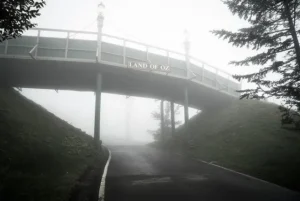
Following its quiet closure in 1980, the Land of Oz amusement park seemed destined to become another forgotten dream tucked away in the Blue Ridge Mountains.
What began as a bold attempt to bring L. Frank Baum’s world to life for guests on Beech Mountain, North Carolina, had endured more than its fair share of misfortune — ownership issues, a devastating fire, and changing tourism trends.
But the magic of Oz, it turns out, is not so easily extinguished.
The Sleep of Oz (1980–1990)
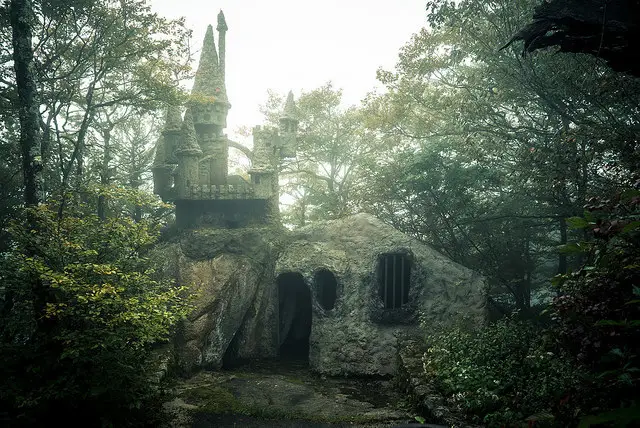
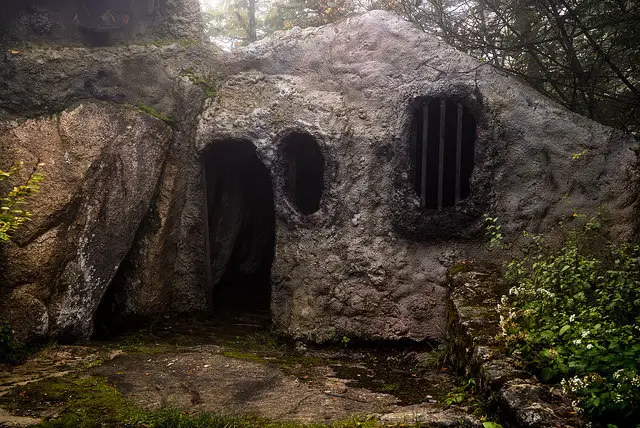
After the official closure in 1980, much of the park fell into disrepair. Vandals and weather damaged many of the remaining structures.
Thieves stripped parts of the Emerald City and tore out hundreds of custom-made yellow bricks.
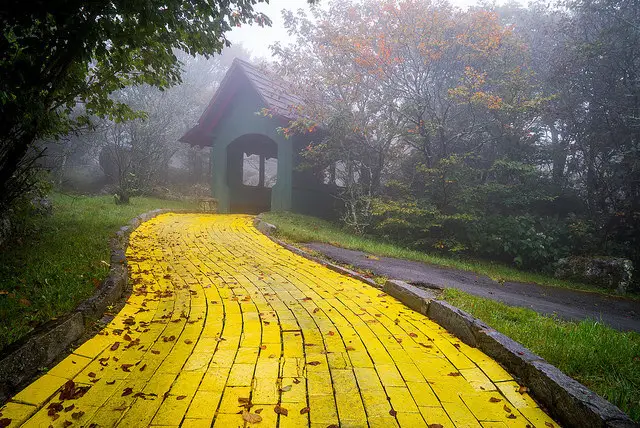
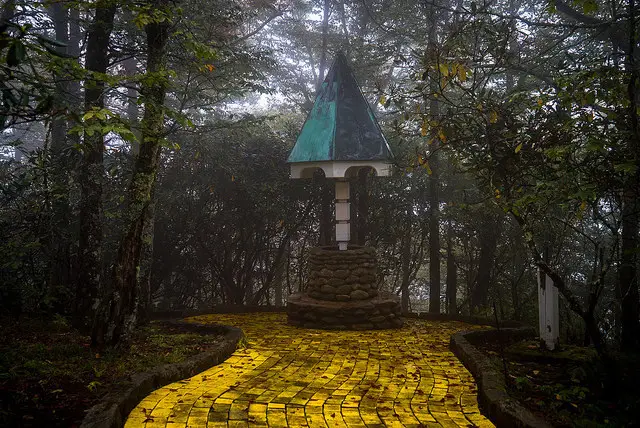
For years, the once-colorful fantasy world sat decaying in silence, guarded only by the mountain fog and memories of visitors who had once skipped along the Yellow Brick Road.
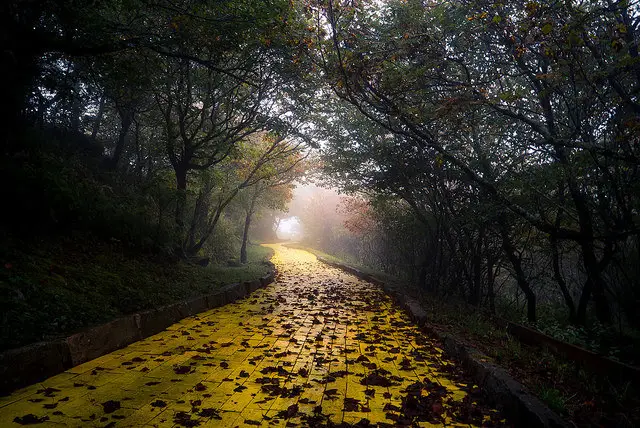
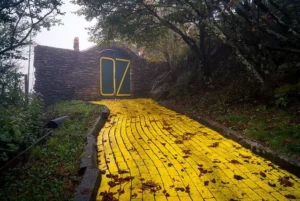
Despite its condition, the land was not forgotten. The property was still owned by the family of Grover Robbins, the original developer who tragically passed away just months before the park’s grand opening in 1970.
Robbins’ vision had been unique: not just to build an amusement park, but to create a fully immersive, story-driven experience. That spirit of innovation, though dormant, remained intact.
Sparks of Revival (1991–1993)
The seeds of rebirth were planted when a group of former employees — affectionately called “Ozzies” — organized a private reunion in the late 1980s.
The event rekindled interest in the old park, and in 1991, the property owners agreed to open the gates for a public walkthrough.
To their surprise, thousands attended. That overwhelming response made it clear that the world hadn’t forgotten about Oz.
In 1993, the first “Autumn at Oz” festival was launched — a modest, one-weekend event designed to reintroduce the park to the public. Visitors walked the weather-worn Yellow Brick Road, met costumed characters from the classic film, and experienced theatrical performances designed to blend nostalgia with live storytelling. The festival was an immediate success, and it returned each year thereafter, gradually expanding in scope.
Restoring the Yellow Brick Road
Unlike many abandoned amusement parks, Land of Oz never fully died — it simply slept. That slumber allowed for careful, deliberate restoration. Over the years, the proceeds from Autumn at Oz were reinvested into the park’s infrastructure.
Damaged sections of the Yellow Brick Road were repaired (and in some cases, replaced with replicas). Key buildings like Dorothy’s farmhouse and the Wicked Witch’s castle were rebuilt or restored.
Crucially, the park also obtained permission from Warner Bros. to incorporate imagery, costumes, and characters specifically from the beloved 1939 film. This marked a significant shift from the park’s original version, which had relied exclusively on L. Frank Baum’s public domain novel for inspiration. With access to the visual elements fans cherished — ruby slippers, the classic Scarecrow outfit, Judy Garland’s blue gingham dress — the revival deepened its emotional connection with visitors.
A Modern-Day Oz
Through the 2000s and 2010s, Autumn at Oz evolved into a full theatrical event, complete with actors playing Dorothy, the Scarecrow, Tin Man, Cowardly Lion, Glinda, and of course, the Wicked Witch. The park wasn’t open year-round, but each September it came alive for a few magical weekends. Tickets began selling out months in advance, and attendance swelled.
To meet the growing demand, the park also introduced summer events such as “Journey with Dorothy,” a guided, interactive experience where guests walked through the park with Dorothy herself, helping her retrace her steps from Kansas to Oz. These tours provided a more intimate, narrative-driven experience, and kept the park accessible during more of the year.
What makes the Land of Oz different from most theme parks is that it doesn’t rely on thrill rides or flashy tech. Instead, its power lies in atmosphere — the hand-laid yellow bricks, the fog rolling through the trees, the music echoing down wooded paths. It is theater, nostalgia, and nature working in harmony. Visitors aren’t just spectators; they are part of the story.
Facing New Challenges
Despite its growing popularity, the park has continued to face significant challenges. Weather damage, erosion, aging infrastructure, and the sheer cost of maintaining a mountaintop attraction have all required constant attention. Additionally, the remote location of Beech Mountain means limited access for large-scale crowds, adding complexity to operations and transportation.
In 2025, after more than three decades of successful seasonal events, the park announced a temporary pause of Autumn at Oz for the year. This decision was not made lightly. Severe storms and infrastructure wear had created safety concerns, and organizers decided to use the downtime to reassess, rebuild, and ensure the park’s long-term sustainability. While some fans were disappointed, most understood: preserving Oz would require care, patience, and planning.
Looking Toward the Emerald Horizon
The Land of Oz is not your typical amusement park success story. It began with ambition, fell into ruin, and rose again not through corporate reinvestment, but through community passion, nostalgia, and resilience. What began as a family-owned project has become a cherished, almost mythic destination — one that still brings joy to multiple generations.
As the park prepares for its expected return in 2026, the spirit of Oz remains very much alive. Visitors may come for the yellow bricks and ruby slippers, but they leave with something deeper — a sense of wonder, a brush with childhood magic, and a reminder that some dreams, like Dorothy’s, are timeless. The Land of Oz is proof that even after storms, even after fire and time, there is still no place like home.