The Real Story of the Spencer Love Mansion
A testament to timeless architecture, is demolished.

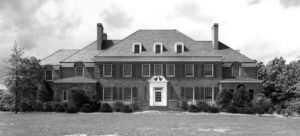
Photo Coll. 1981.113.134
Home of Benjamin Cone, 710 Country Club Dr., ca. 1945
Note: This house was built in 1937 and was the home of J. Spencer Love until his divorce in 1940.
!!Interior Pictures See Below !!
The Fall of a Southern Icon: The Real Story of the Spencer Love Mansion
Once the crown jewel of Greensboro’s architectural heritage, the Spencer Love Mansion stood not only as a symbol of Southern elegance and industry, but also as a monument to the people, stories, and eras it embraced for nearly a century.
Built in the 1930s and steeped in history, it bore witness to some of North Carolina’s most influential figures and events. And yet, in the spring of 2024, this landmark was reduced to rubble — not by time or neglect, but by deliberate choice.
The story of its rise and fall is not just about one house. It is a mirror reflecting a broader struggle between preservation and progress, memory and market value.
A Vision in Brick and Grandeur
Constructed around 1936–1937, the mansion was commissioned by textile magnate James Spencer Love, the founder of Burlington Industries. At a time when Greensboro’s industrial economy was thriving, Love’s residence became a physical embodiment of his success — and of North Carolina’s booming textile legacy.
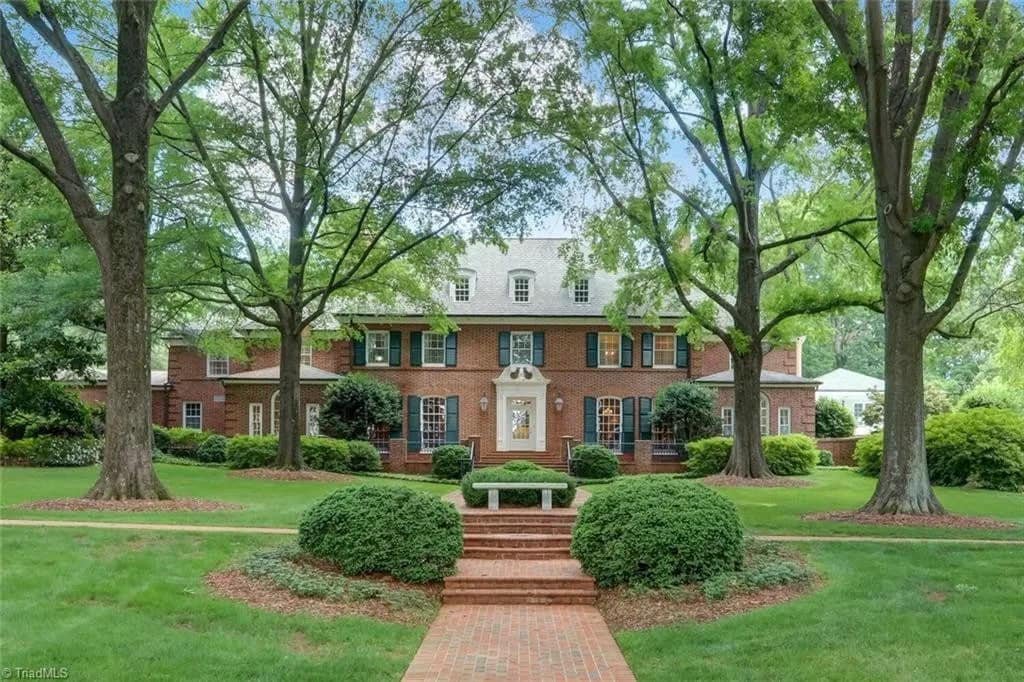
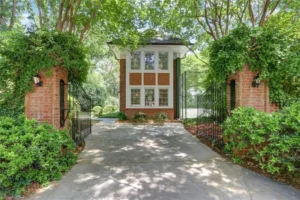
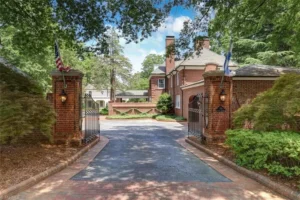
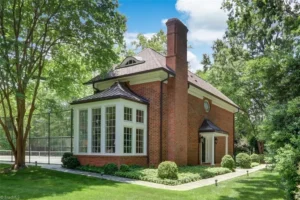
The house was a masterwork of Georgian Revival architecture. With Flemish bond brickwork, a grand hipped roof, elegant dormers, and decorative keystones, the mansion sprawled across over 10,800 square feet.
It was surrounded by roughly three acres of manicured grounds in the prestigious Irving Park neighborhood. The home was not just large; it was meticulously designed, with attention to symmetry, proportion, and tradition.
Every detail — from the pedimented entrance to the classical modillion cornice — reflected a commitment to timeless beauty.
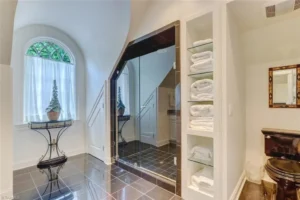
Inside, the mansion featured five bedrooms, six full bathrooms, three half baths, expansive living spaces, and gracious entertaining areas. Large windows overlooked the private gardens.
An elegant staircase curved upward from the entrance hall. Wood paneling, ornate fireplaces, and custom fixtures gave the home a distinct sense of luxury that managed to remain warm and livable.
But the Spencer Love House was not just an architectural treasure — it was a social one.
A Home of Influence and Legacy
Though Spencer Love himself only lived in the home for a few years — moving out after a divorce in the early 1940s — the house’s significance only grew. It was purchased in 1941 by Benjamin Cone Sr., another of Greensboro’s prominent industrial and civic leaders. Cone served as mayor from 1949 to 1951 and played a major role in shaping the city’s post-war development.
Under the Cone family’s ownership, the mansion continued to serve as a gathering place for the region’s elite. It hosted events attended by U.S. presidents, ambassadors, state governors, and corporate leaders. Business deals were struck in its library. Strategies were discussed in its dining room. International visitors admired it as an icon of American style and Southern refinement.
Later, in 1997, the home was purchased by Bonnie McElveen-Hunter, a successful businesswoman, philanthropist, and former U.S. ambassador. Under her stewardship, the mansion was maintained with dignity and care. Despite the passage of decades, it never fell into disrepair. Instead, it remained a living tribute to the city’s heritage — a space where beauty, history, and purpose converged.
The Sale That Shocked a City
In early 2024, the home was quietly sold for $4.5 million to a well-known developer. The transaction raised eyebrows, but few could have predicted what came next.
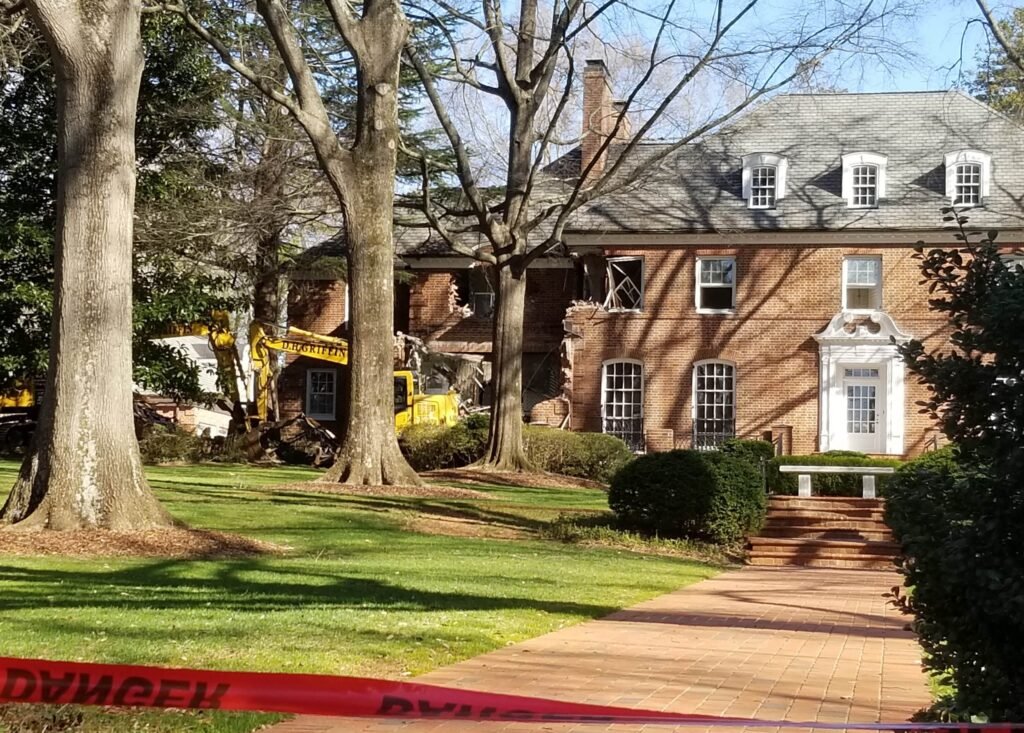
Within weeks, demolition crews arrived at the property. The towering brick walls, the sweeping staircase, the grand hall — all were brought down. The reason? The developer planned to divide the three-acre lot into three parcels and build new luxury homes in place of the mansion.
The community’s reaction was immediate — and emotional. Residents of Irving Park and preservationists across the state were stunned. How could one of Greensboro’s most iconic homes, still in good condition, be reduced to debris in a matter of days?
The answer, sadly, lies in a gap between historical recognition and legal protection.
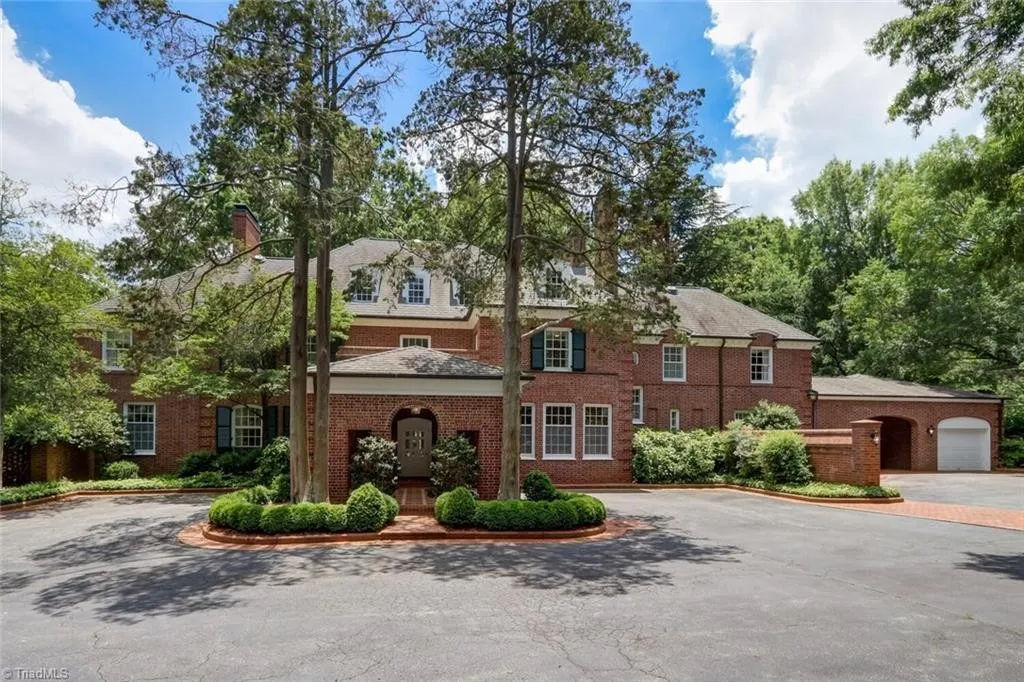
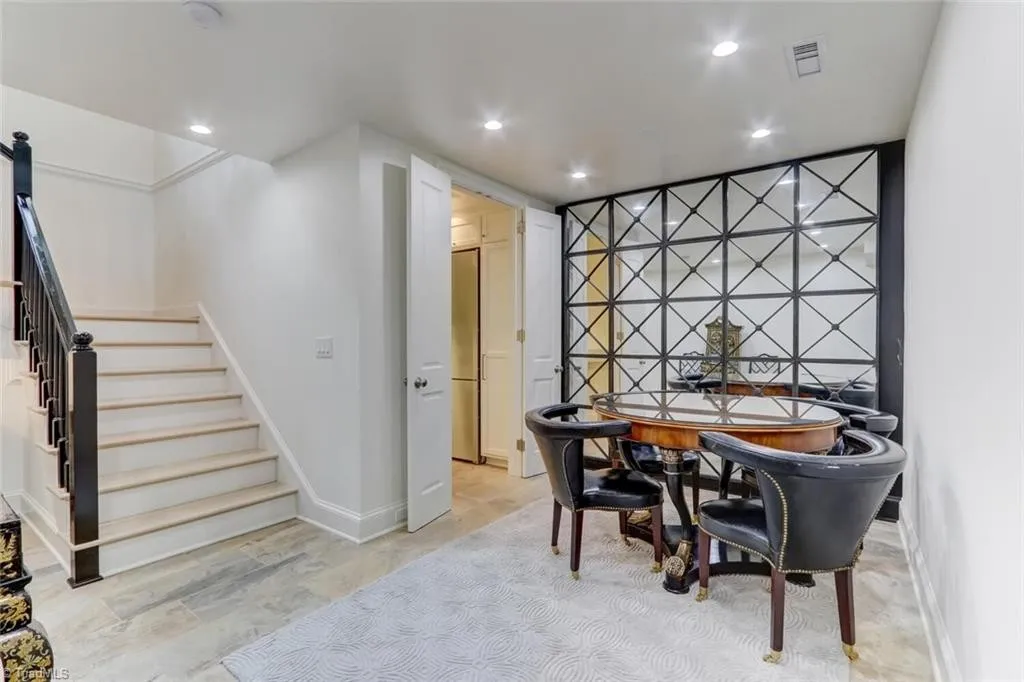
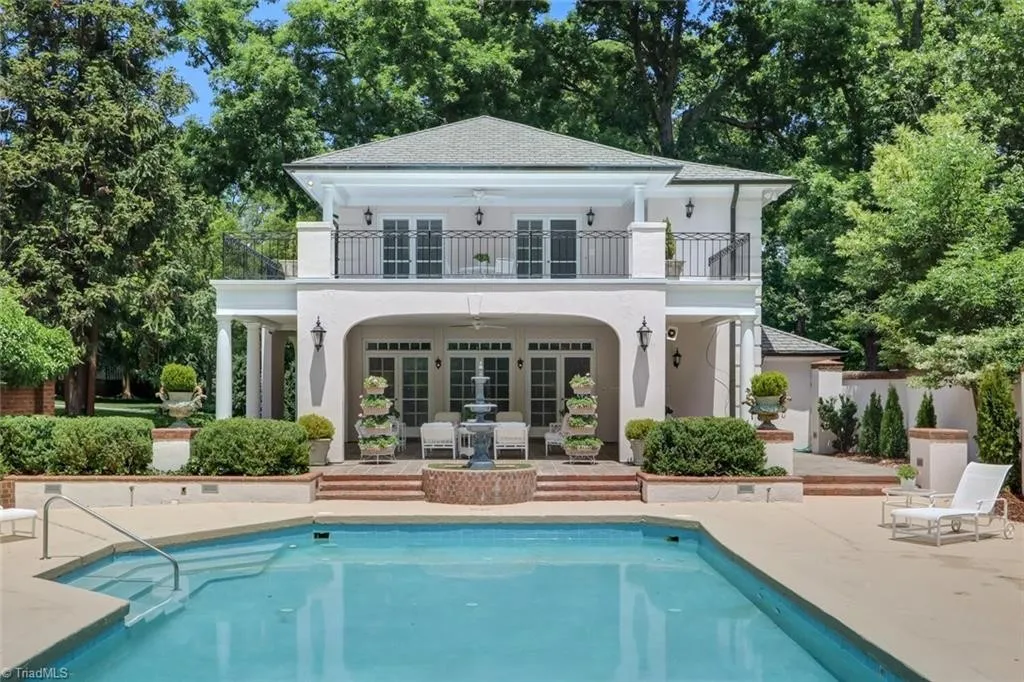
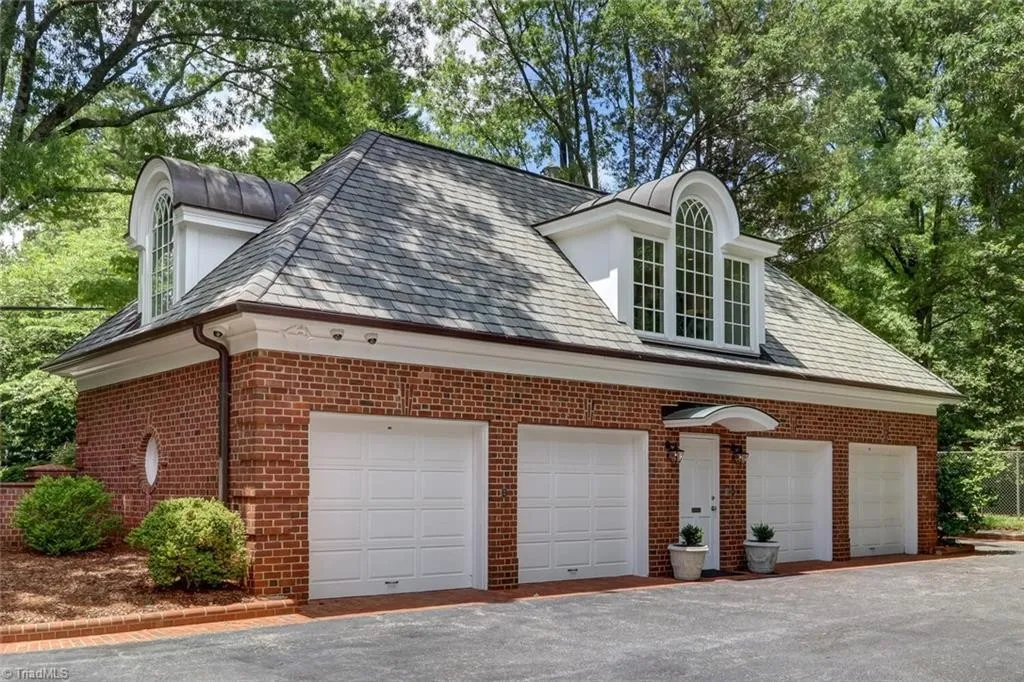
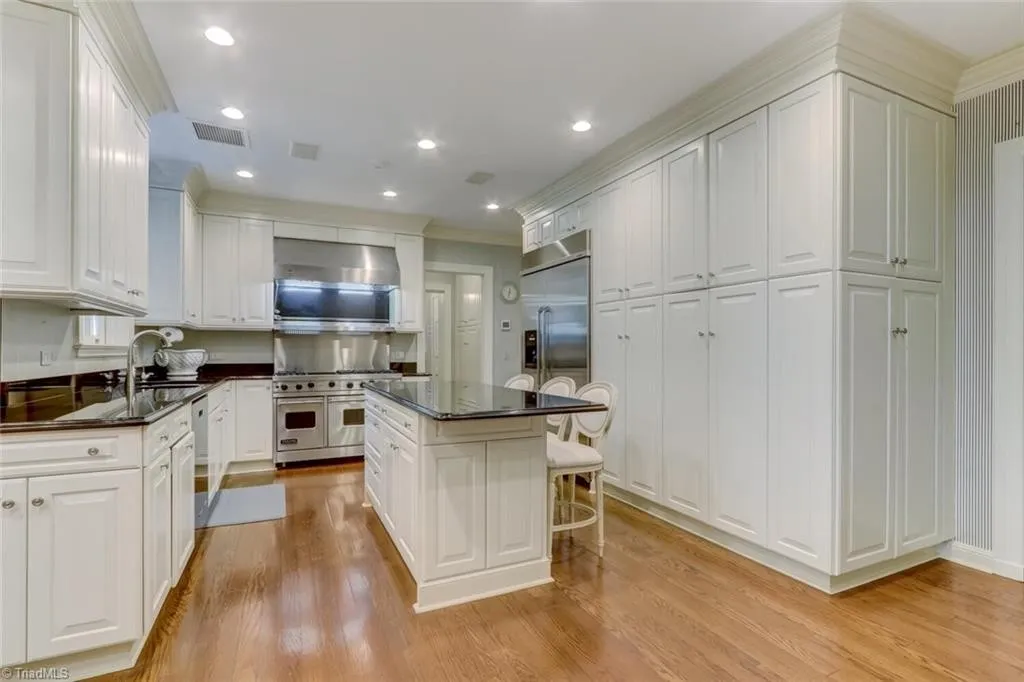
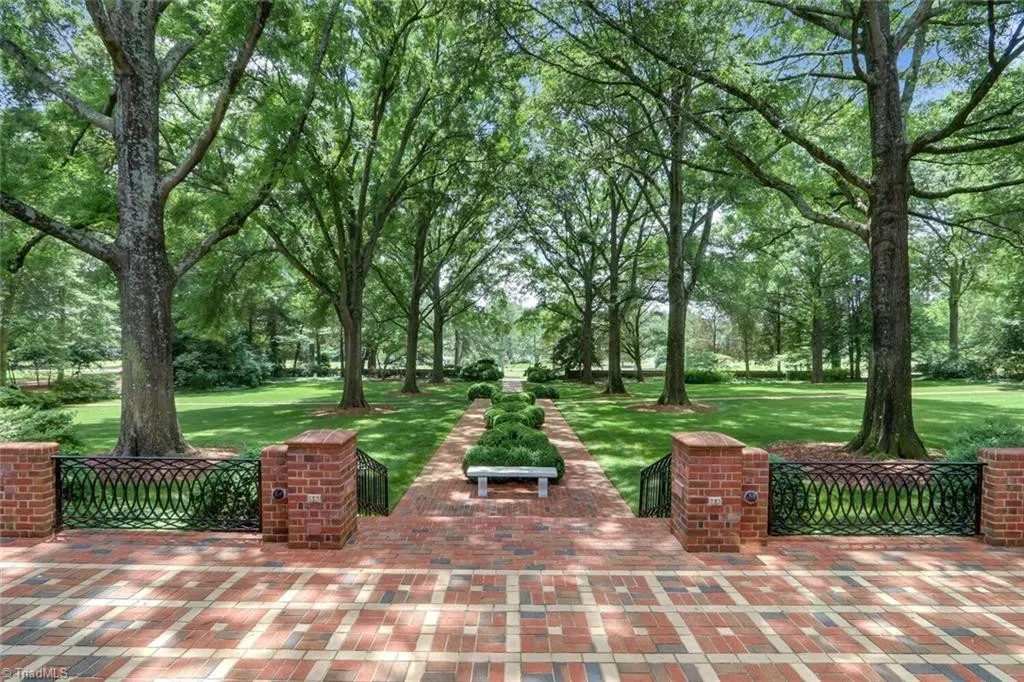
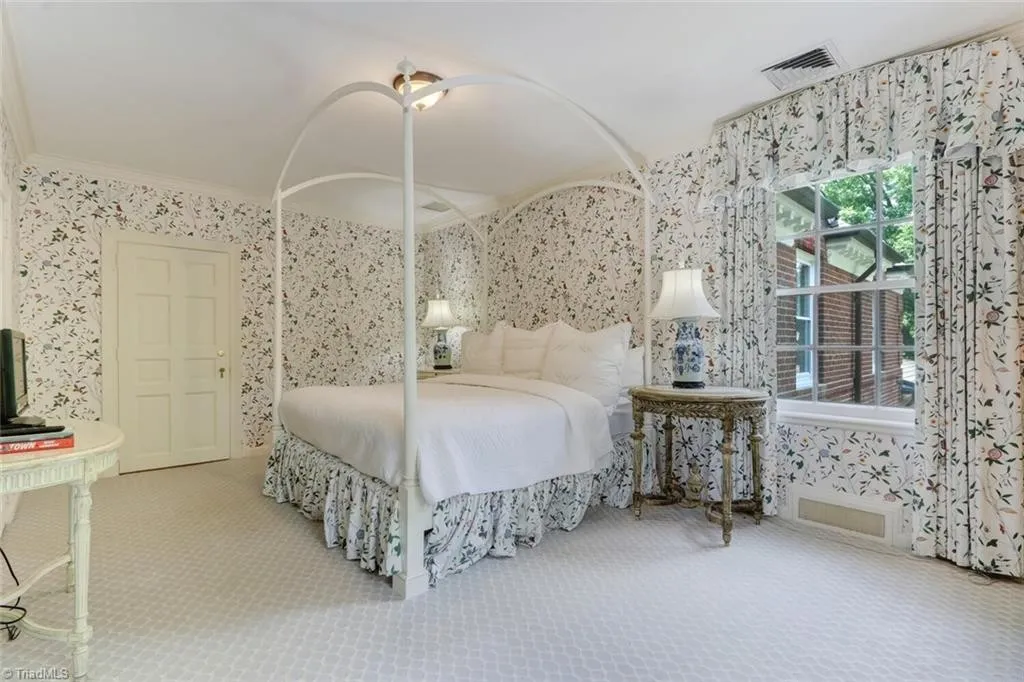
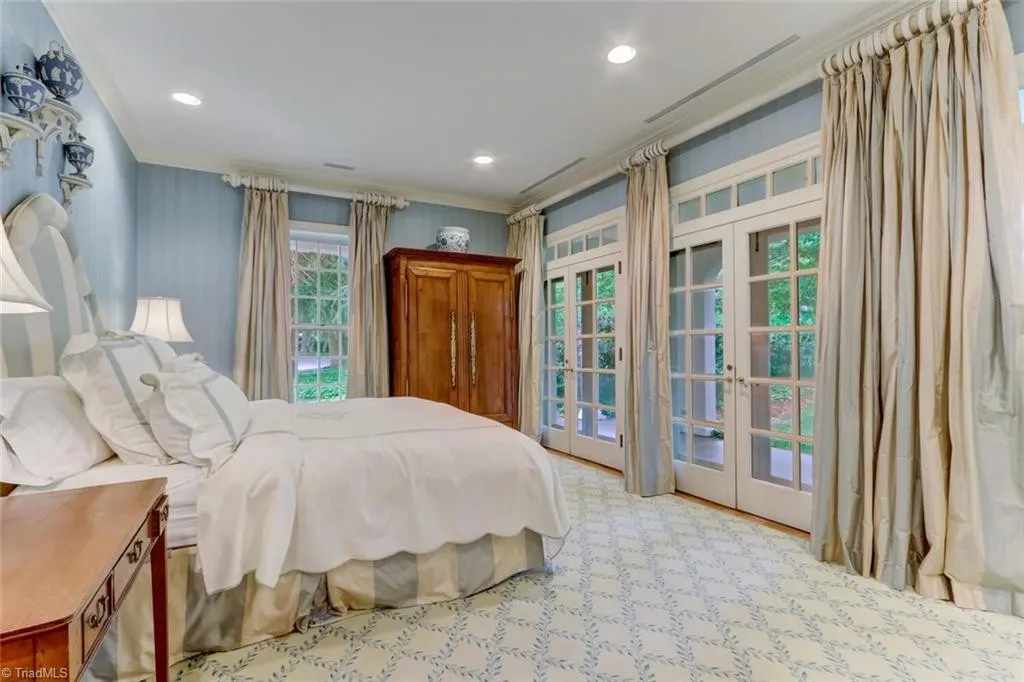
!! 20 MORE PICTURES BELOW !!
When History Isn’t Enough
The Spencer Love Mansion was part of a historic district, and many assumed that meant it was protected. But in truth, being listed on the National Register of Historic Places — or even being inside a recognized historic district — does not necessarily prevent an owner from demolishing a structure.
Unless a property carries a local landmark designation or a legally binding preservation easement, demolition is a decision that rests solely with the property owner. And in this case, no such protections were in place.
The house was not crumbling. It was not condemned. It was not abandoned. It was simply deemed “functionally obsolete” — too costly or complicated to remodel in a way that suited modern luxury tastes. So it was cleared, making way for three new homes that, while no doubt grand in their own right, will never carry the same historical or emotional weight.
More Than Just a House
What was lost in the destruction of the Spencer Love Mansion goes beyond bricks and wood. Greensboro lost a cultural anchor, a physical connection to its industrial roots, and a piece of its architectural soul.
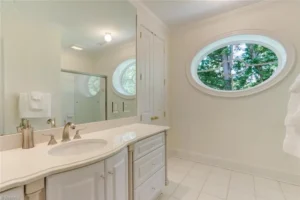

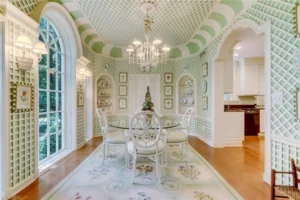
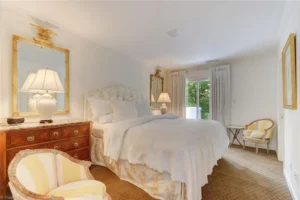
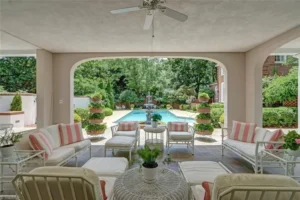
!! MORE PICTURES BELOW !!
It was a place where generations made memories — family dinners, wedding receptions, political gatherings, childhood summers in the garden. It was a witness to changing times, standing tall through wars, recessions, social shifts, and renaissances. It was one of those rare buildings that shaped a neighborhood’s identity — and, by extension, the city’s.
Many who had passed the house daily for years, even decades, found themselves stopping to take final photos, some with tears in their eyes. Former guests recounted stories of visiting the home for charity events or garden tours. One neighbor described it as “the kind of house that made you slow down just to look at it.”
Now, all that remains is a void — a lot stripped bare, the ghosts of grandeur fading into memory.
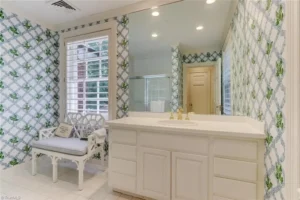
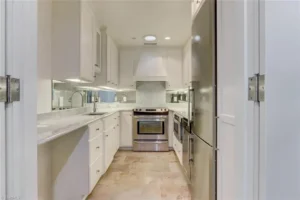
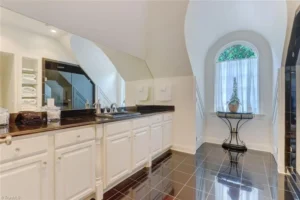


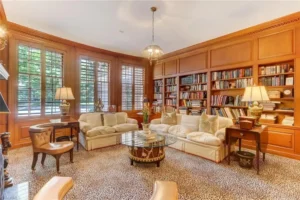
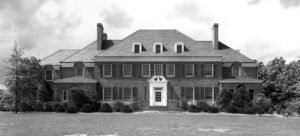
Photo Coll. 1981.113.134
Home of Benjamin Cone, 710 Country Club Dr., ca. 1945
Note: This house was built in 1937 and was the home of J. Spencer Love until his divorce in 1940.
A Cautionary Tale for the Future
The loss of the Spencer Love Mansion has reignited urgent conversations about historic preservation. What other landmarks might quietly vanish while the community isn’t looking? How can cities create stronger policies to safeguard their architectural heritage?
More importantly, it raises the question: what kind of places do we want to inherit — and leave behind?
For developers, the answer often lies in return on investment. For preservationists, it lies in identity, authenticity, and respect for the past. Somewhere between those perspectives must exist a better balance — one where beauty and history are not so easily discarded in the name of progress.
What We Can Do Now
Preservation groups are now urging homeowners, community leaders, and city officials to take proactive steps:
-
Secure preservation easements for historically significant homes.
-
Support local landmark designations that carry legal weight.
-
Advocate for more thoughtful zoning and demolition ordinances.
-
Educate the public about the cultural value of historic structures — before it’s too late.
The Final Word
The Spencer Love Mansion didn’t fall because time forgot it. It fell because progress ignored it.
In the end, we must ask: if we tear down every place that holds a piece of our shared history, what remains to connect us? The demolition of this mansion is more than a loss — it is a lesson. Let’s make sure we don’t forget it.