1880 NY 28 Room Gilded Age Mansion With Carved Ornamental Woodwork Can Be Yours For Just $200K!
Built in 1880 during America’s Gilded Age Mansion, this remarkable New York mansion is a living masterpiece of Victorian architecture and craftsmanship. Designed by the prominent architect Aaron Hall for industrialist William Broadhead, the 28-room estate stands as one of the most extraordinary examples of custom-built Victorian homes in the region. Every inch of this grand residence tells a story of artistry, elegance, and innovation—a true time capsule of 19th-century ambition.
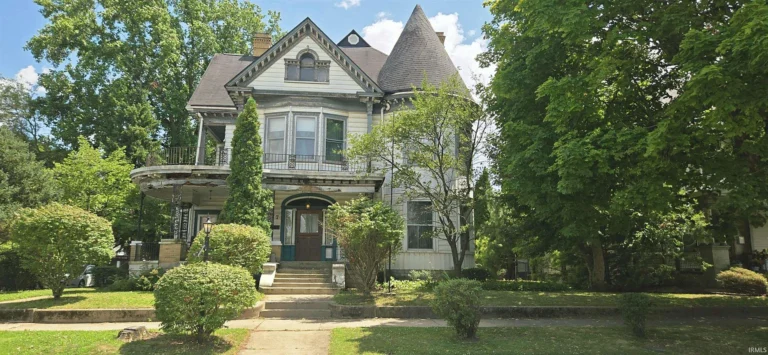
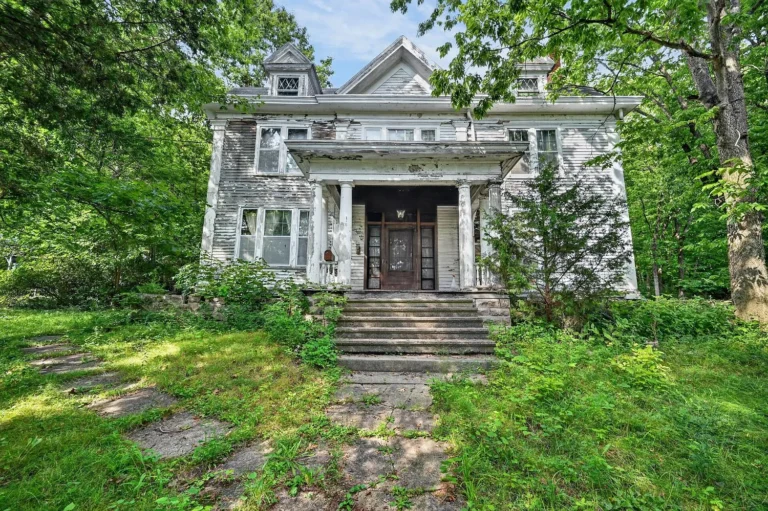
From the moment one approaches the property, the home’s grandeur is undeniable. Its placement was meticulously chosen by Hall to provide sweeping panoramic views of the surrounding landscape, a decision that perfectly complemented the mansion’s regal silhouette and ornate detailing. The house commands attention with its stately proportions, high gables, and refined symmetry—hallmarks of Gilded Age opulence.

Upon entering, visitors are greeted by the breathtaking sight of carved ornamental woodwork that decorates nearly every surface. This isn’t mere decoration—it’s a showcase of the exceptional woodworking skill that defined the late Victorian period. The sweeping decorative staircase that ascends to the second floor stands as a centerpiece of the home, its craftsmanship so intricate that it feels more like sculpture than structure. The 12-foot ceilings add an unmistakable sense of openness and grandeur, while the abundance of natural light filtering through stained and leaded glass windows casts vivid colors across the ornate interiors.
The home’s 8 fireplaces—each with its own unique design—serve as both artistic features and practical reminders of the era before central heating. Surrounding them are rich hardwood mantels, custom tilework, and intricate moldings that frame each hearth like a piece of fine art. Every room, from the parlors to the dining halls, carries its own distinct character while maintaining the architectural harmony that defines the mansion as a whole.
One of the home’s most remarkable features is its combination of both old-world craftsmanship and thoughtful updates. The kitchen, while modernized for contemporary use, retains a sense of historical character. Double appliances and sinks blend seamlessly with the period surroundings, making it a functional yet elegant space for modern living. The mansion also includes two dining rooms, a media room, and a parlor—each space offering a glimpse into the social sophistication of its time.

Upstairs, the seven bedrooms are arranged with both luxury and practicality in mind. Many rooms feature built-in shelving, pocket doors, and plantation shutters—all custom details that speak to the care invested in the home’s design. The second floor also houses three and a half baths, along with a laundry room—an uncommon convenience for an 1880 residence, now updated for modern comfort. The closets, generous in scale, were clearly designed with both elegance and utility in mind.
The third floor, however, is perhaps the most awe-inspiring part of the entire mansion. Spanning 3,000 square feet, this vast open ballroom was originally designed for lavish gatherings, music, and dancing—a hallmark of Gilded Age high society. The space remains open and full of potential, whether imagined as a grand studio, a gallery, or preserved in its original splendor as a ballroom.
This mansion is far more than just a large historic home—it’s a cultural artifact that reflects the creativity and confidence of post-Civil War America. During the Gilded Age, industrial wealth fueled architectural experimentation, and homes like this one symbolized both success and the nation’s growing artistic ambition. To see such craftsmanship preserved today is rare; to walk through it is to step into history.
Every curved archway, every stained-glass panel, every carved banister reminds visitors that this home could never be recreated today. The artistry, materials, and techniques that shaped it have largely vanished from modern construction. This is what makes the 1880 Gilded Age Mansion not only a piece of architecture but a true heirloom of American heritage—a monument to an era of boundless imagination and elegance.
Gilded Age Mansion