First Time on Show in 120 Years! Take a Look Inside the Indiana 1869 French Second Empire House
For the first time in more than a century, one of Indiana’s architectural treasures has emerged from private ownership to invite the public inside. Built in 1869 and lovingly restored to its original grandeur, this French Second Empire residence stands as a masterful example of 19th-century design — elegant, stately, and richly ornamented. To step through its doors is to travel back in time, into an era when craftsmanship was measured in artistry and attention to detail rather than speed or simplicity.
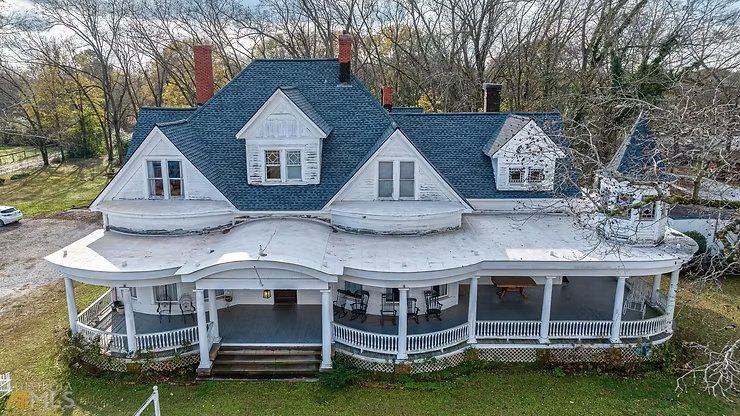
Perched gracefully on more than three-quarters of an acre, this 3,960-square-foot home is an architectural statement of permanence. Its signature mansard roof — a hallmark of the Second Empire style — lends the home a distinctive Parisian air, echoing the opulent tastes that swept through America in the post–Civil War period. The symmetrical façade, ornate window hoods, and commanding tower make it one of the most visually striking historic homes in the region. Yet beyond its grandeur lies a sense of warmth and intimacy, the unmistakable feeling of a well-loved family estate that has stood the test of time.
The home’s story unfolds with every step. Crossing the wide, columned front porch — where generations have likely gathered on summer evenings — you enter through original double doors into a world of 12-foot ceilings, exquisite plaster crown moldings, and expansive windows that flood each room with light. Every detail has been painstakingly restored, revealing the rich textures and colors that defined Gilded Age interiors. The hardwood floors, a striking combination of oak and cherry, gleam with their intricate inlay borders, drawing the eye through a flowing main-level layout designed for both grand entertaining and comfortable living.

Fireplaces anchor the rooms with a sense of history. Once coal-burning, many now feature gas lines for modern use. Each fireplace is different — a unique blend of marble, tile, or carved wood — and together they add rhythm and warmth throughout the home. The craftsmanship seen in the trim, doors, and moldings speaks of artisans who understood wood as a living material, shaping it with precision and artistry rarely seen today.
An 1898 addition expanded the home while maintaining its architectural harmony. This thoughtful extension brought a formal dining room, a spacious kitchen, and additional bedrooms, as well as the introduction of electrical and plumbing systems — all marvels of modernity at the turn of the century. These updates ensured that the home would continue to serve future generations while retaining its historical essence.
The kitchen today is a blend of period charm and modern functionality. Custom cabinetry with inset doors, under-counter lighting, and granite countertops create a refined workspace that complements the home’s vintage aesthetic. A restored antique light fixture casts a warm glow over the central island, while the classic black-and-white diamond-patterned ceramic tile flooring adds a timeless visual appeal. Everywhere you look, the restoration honors the past without sacrificing the comforts of the present.

Bathrooms and laundry spaces echo this same philosophy. Custom cabinetry, carefully chosen fixtures, and classic finishes provide convenience without disrupting the home’s historic character. Upstairs, the five bedrooms include spaces of both grandeur and coziness — rooms where high ceilings and tall windows meet intimate nooks perfect for reading or reflection. The 4.5 bathrooms, beautifully appointed, strike the right balance between luxury and authenticity.
One of the home’s most charming features is its dual-staircase design. The grand central staircase, sweeping and elegant, anchors the front of the home and makes a statement of craftsmanship and grace. A secondary staircase, discreetly tucked away, connects all three levels — a practical design once used by servants but now appreciated for its historic ingenuity. Together, they form a tangible reminder of how homes of this stature were once organized and lived in.
Outdoors, the large lot frames the home in greenery and serenity. Mature trees and generous lawns create a sense of privacy, while the proximity to the town square — just blocks away — and to I-69 makes the property ideally located for both quiet living and accessibility.
To see this home in person is to experience a preserved piece of Indiana’s architectural history. Every cornice, window, and molding tells a story of the late 1800s — an age of progress, style, and enduring beauty. After remaining unseen by the public for over 120 years, this 1869 French Second Empire mansion stands once again in the light, a testament to careful restoration and the timeless appeal of true craftsmanship. It is not just a house but a living museum of design, a rare invitation to witness what Victorian luxury once looked and felt like.