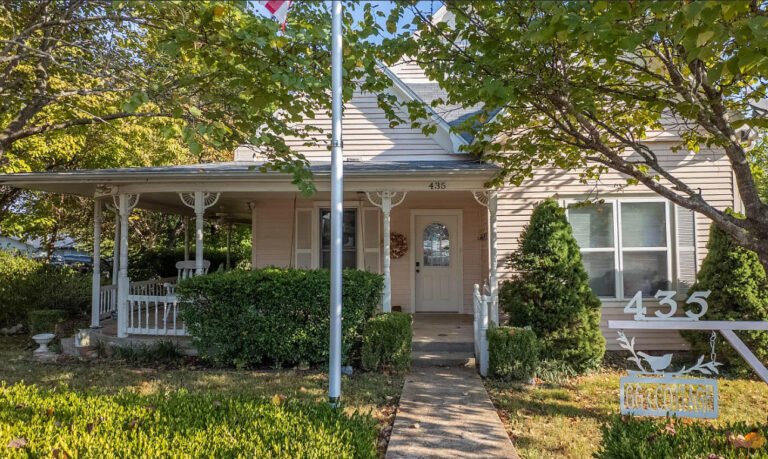
On 65 acres in West Virginia. Multiple outbuildings, including old blacksmith shop. $212,000
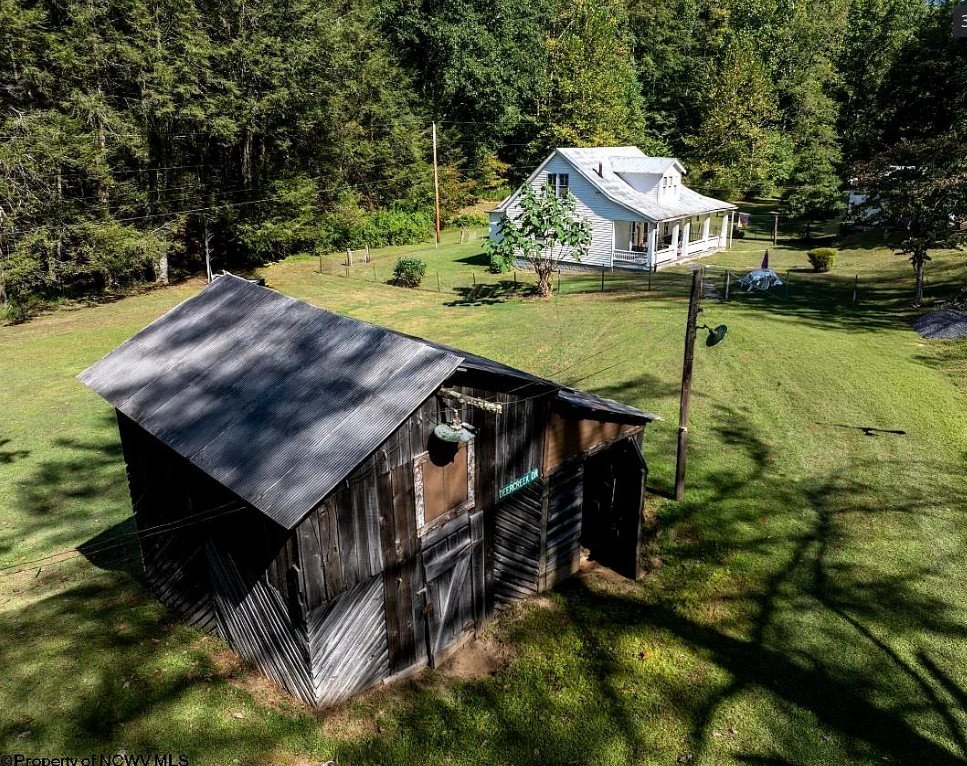
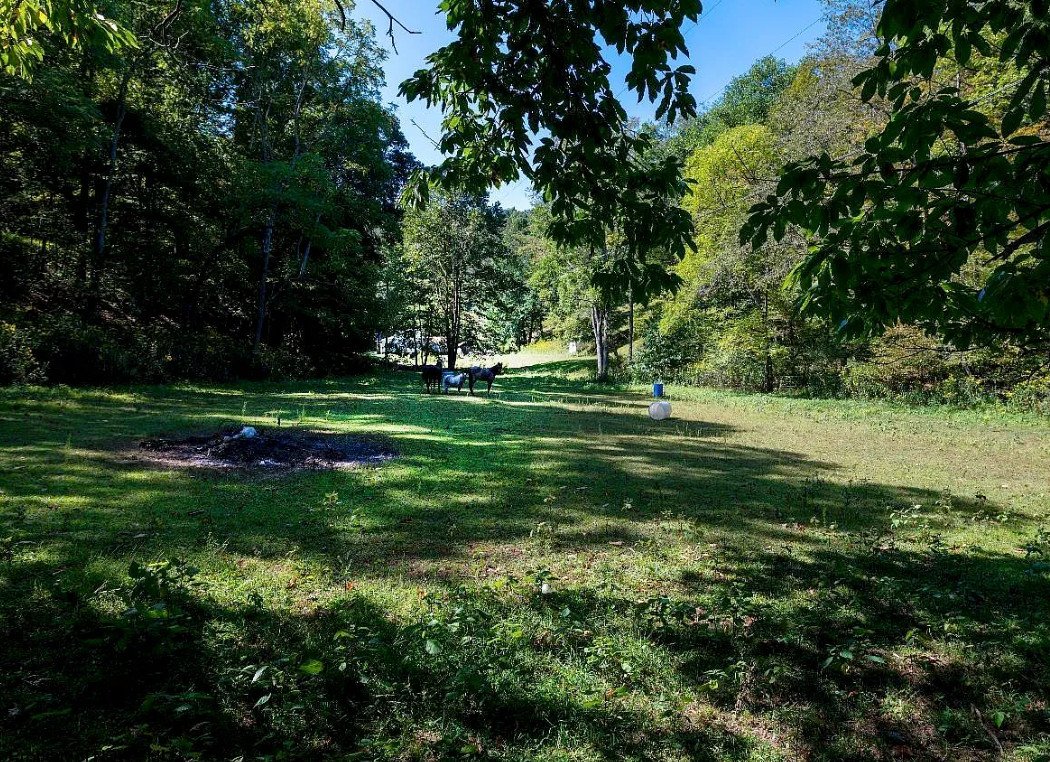
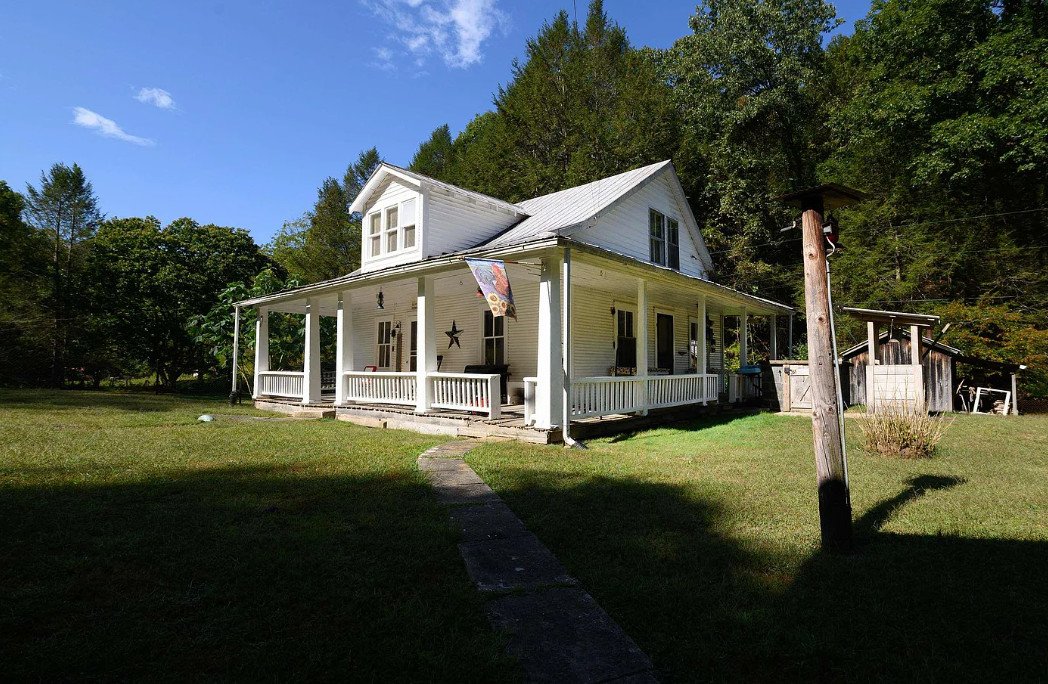
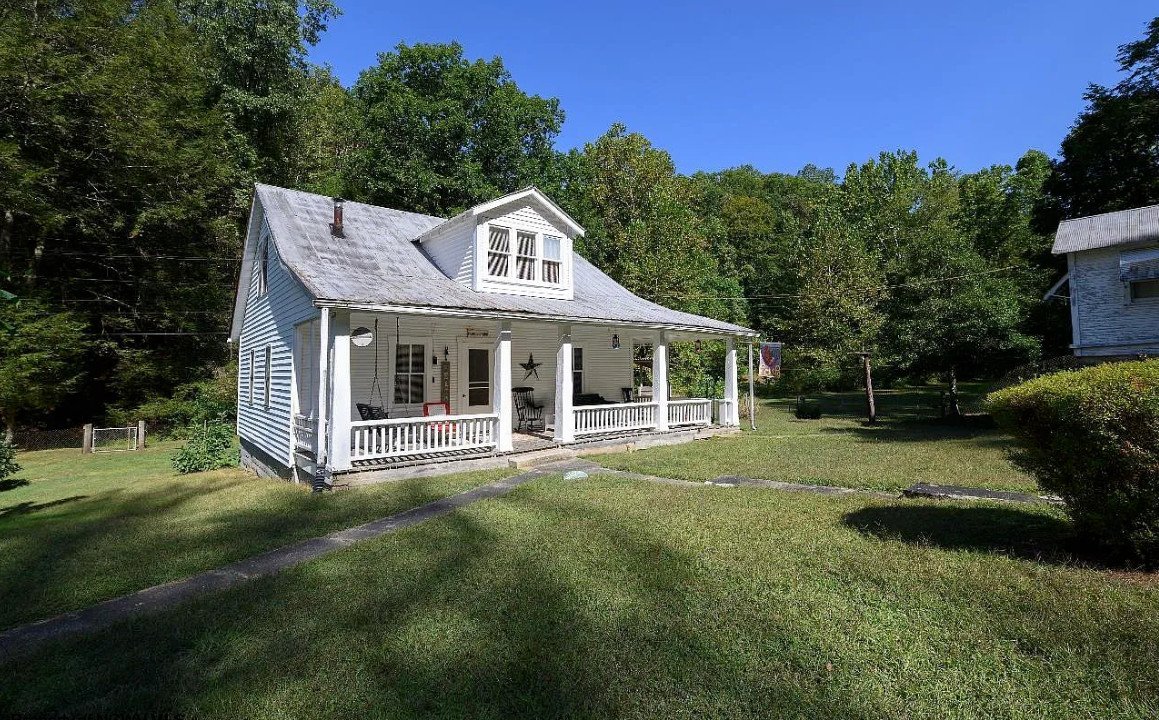
Set against the quiet backdrop of Clay County, West Virginia, rests a rare surviving piece of early Appalachian life—an authentic 1925 farmhouse surrounded by 65.24 acres of woods, meadows, and rolling terrain.
This property, kept within the same family for over a century, carries the atmosphere of a bygone era, shaped by self-sufficiency, craftsmanship, and deep connection to the land. Today, it remains one of those increasingly uncommon places where history has been preserved not through meticulous restoration, but simply by enduring unchanged.
For more than 100 years, this homestead served as a hunting camp, a gathering point for generations who relied on the surrounding hills for deer, turkey, and other Appalachian game. The land itself tells its own story. A seasonal creek cuts quietly across the property, while mature chestnut trees—a rarity in many parts of the region—cast long shadows across the open areas. Everything here feels shaped by nature, from the contours of the hills to the well-worn paths that still lead to the hunting sites favored for generations.
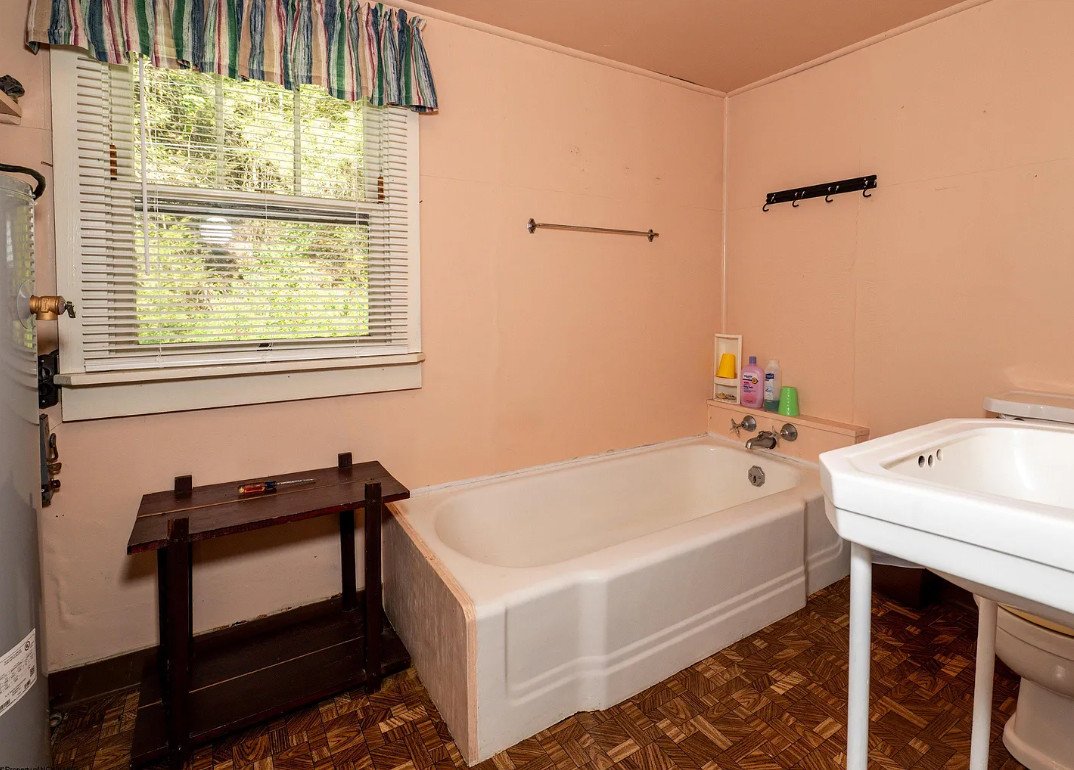
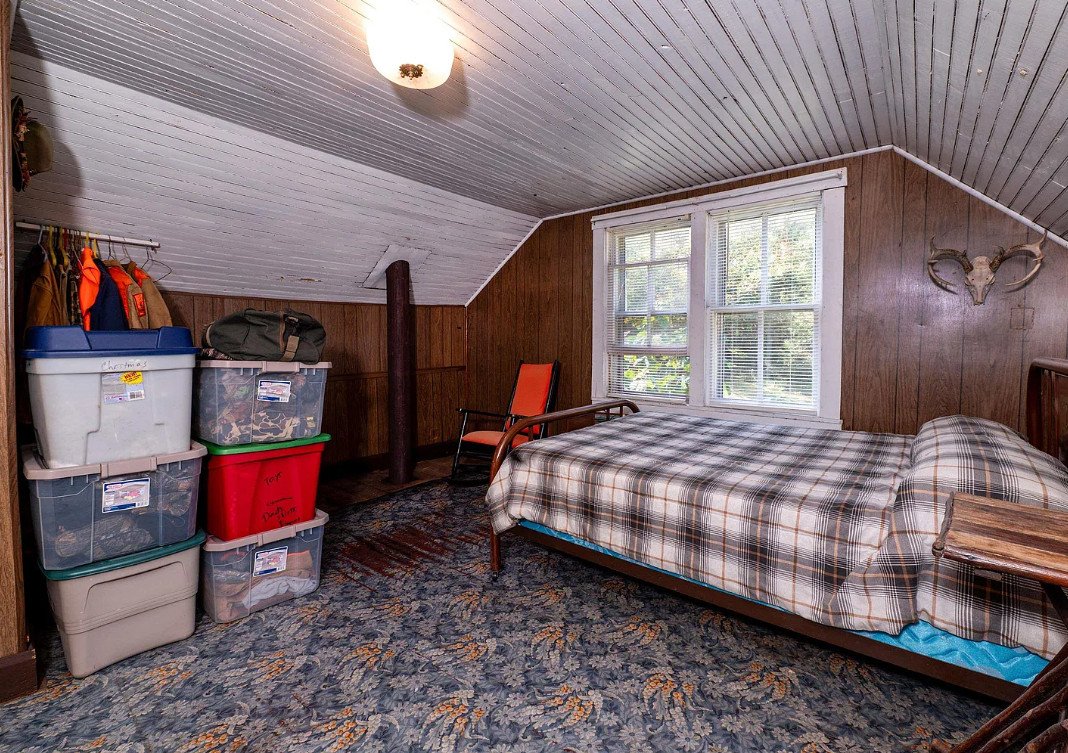
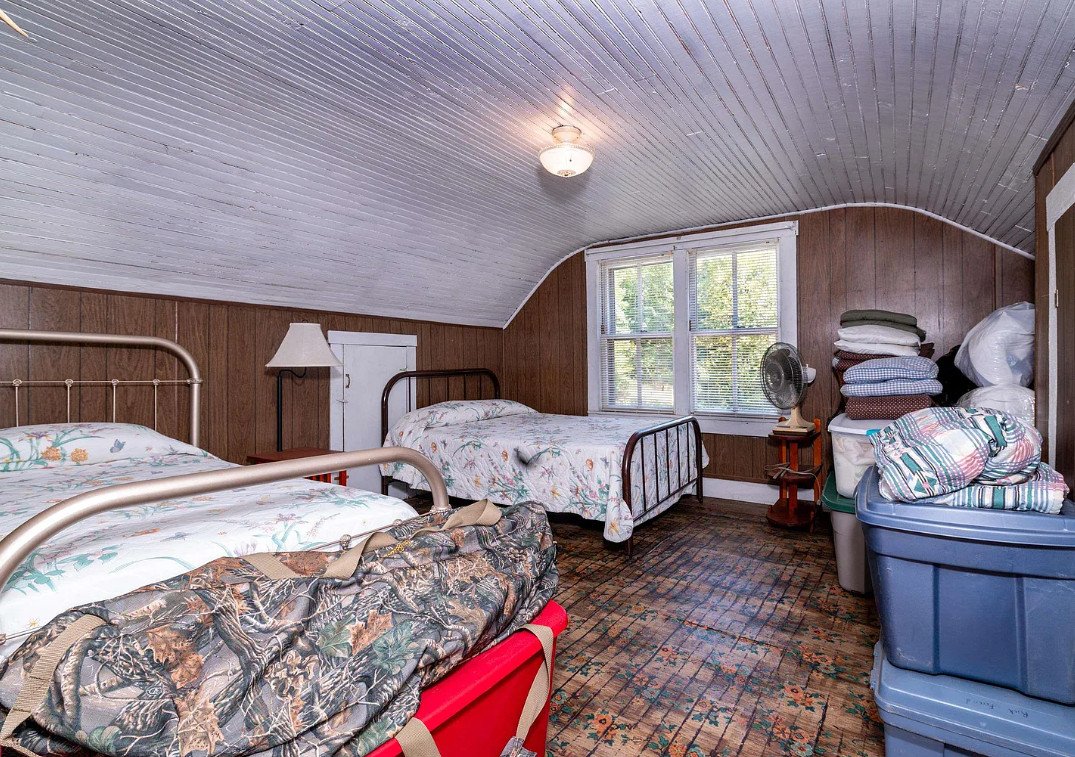
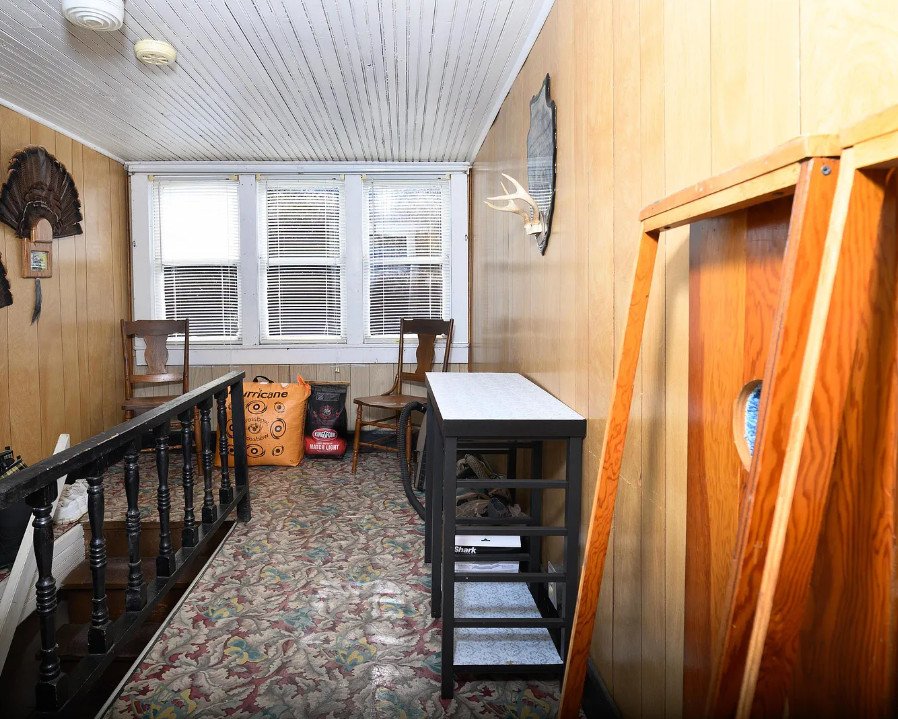
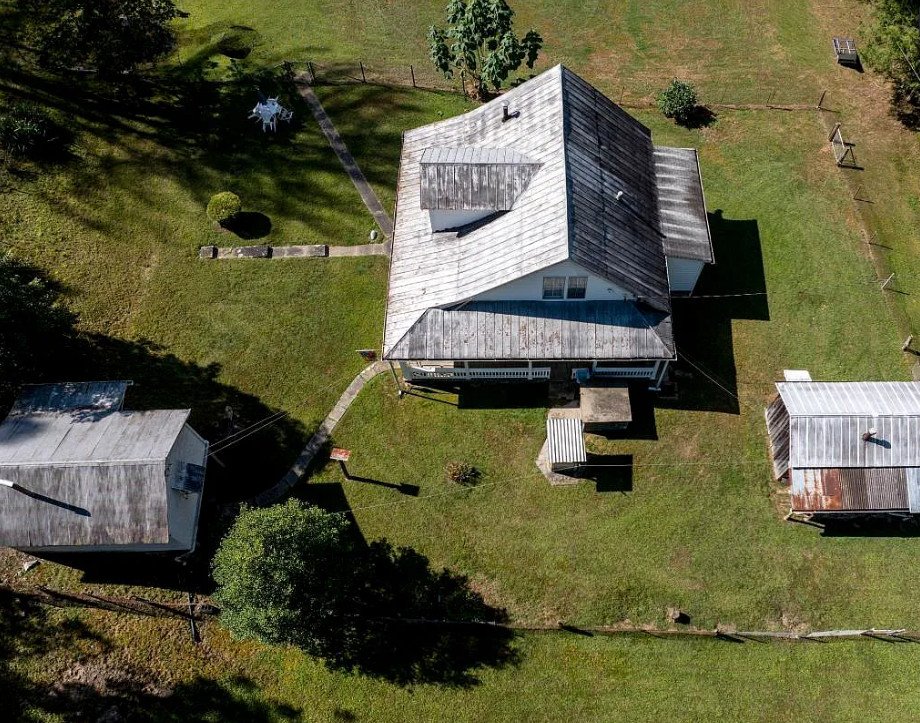
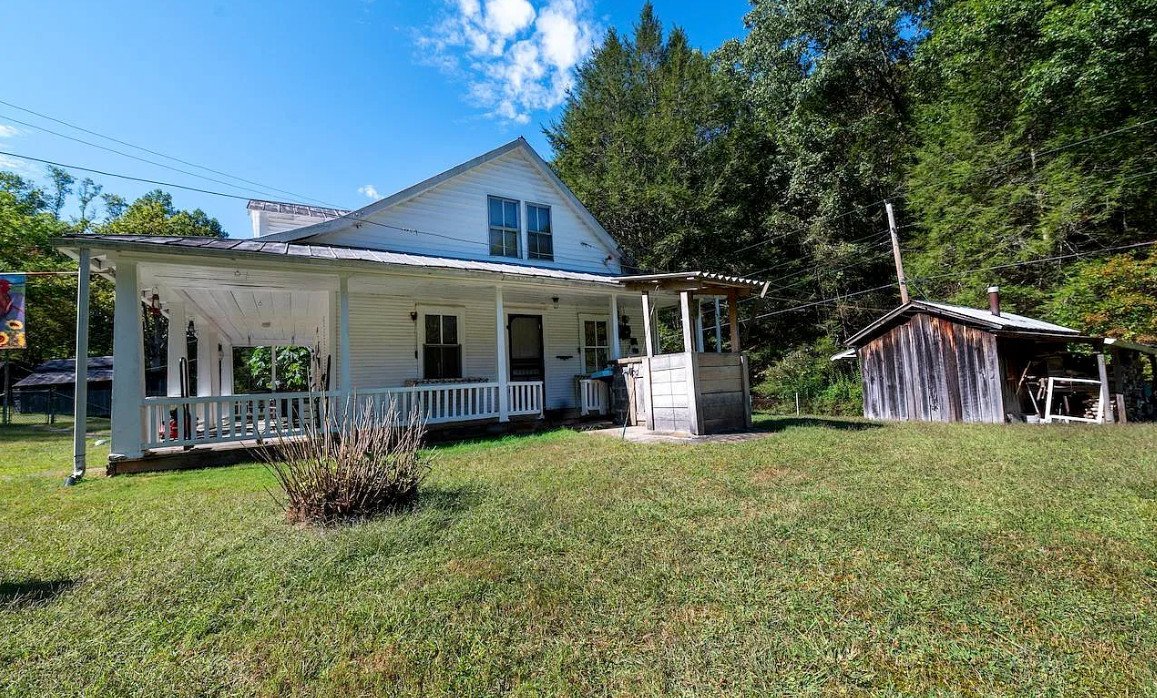
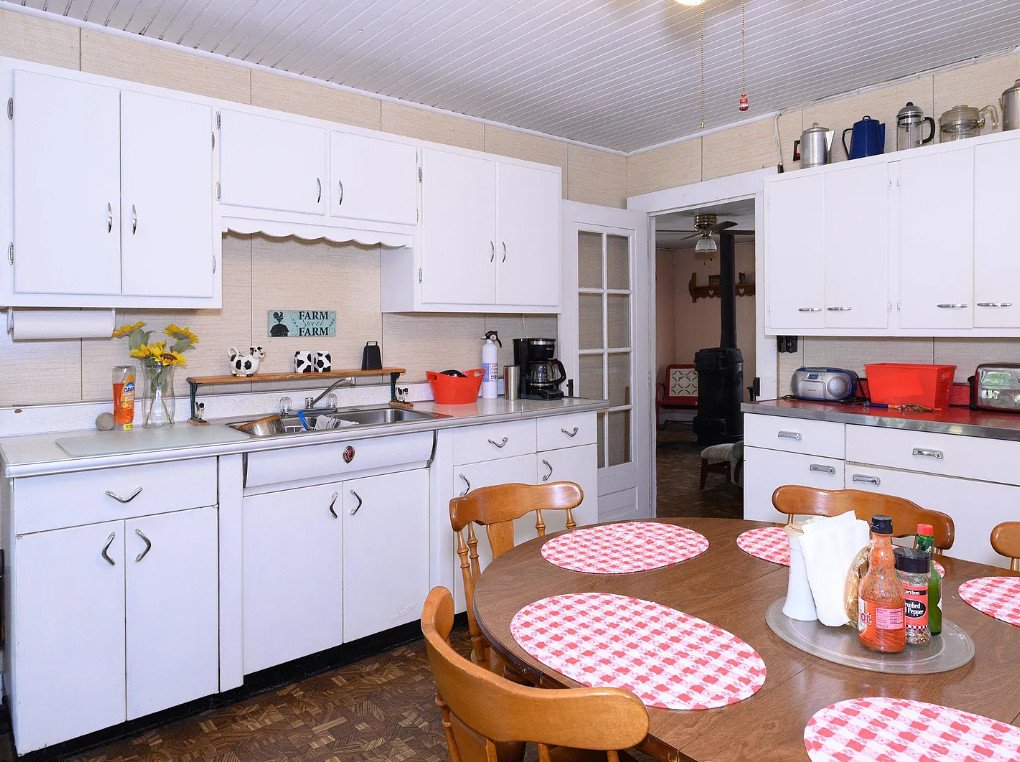
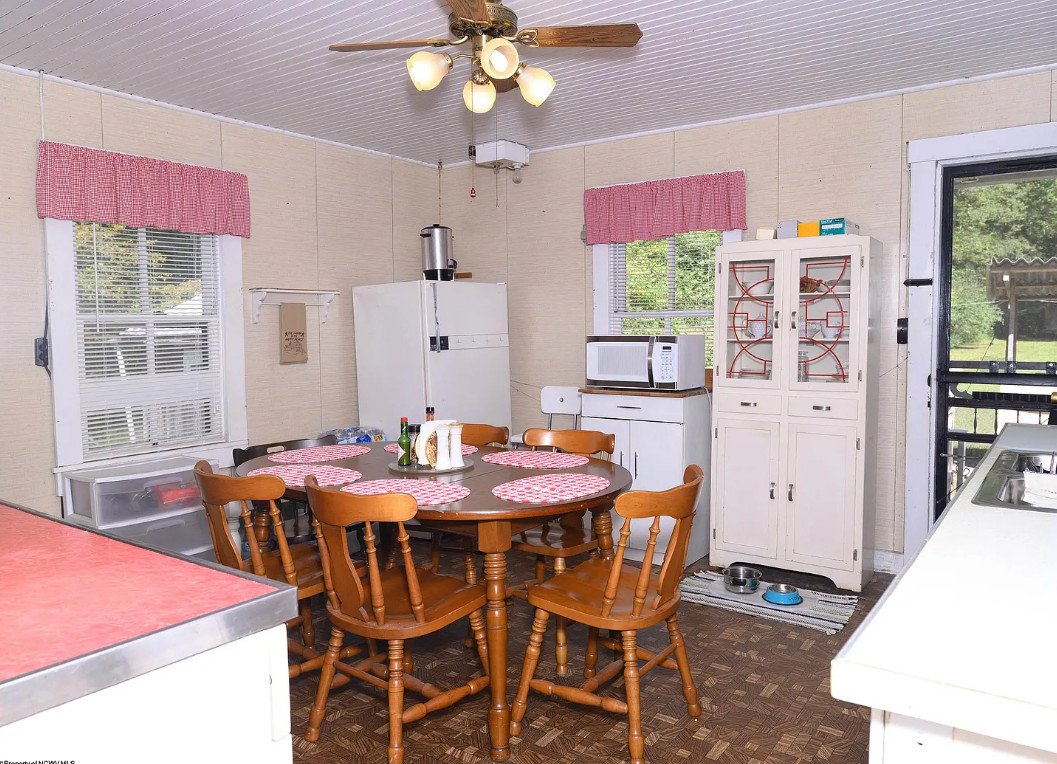
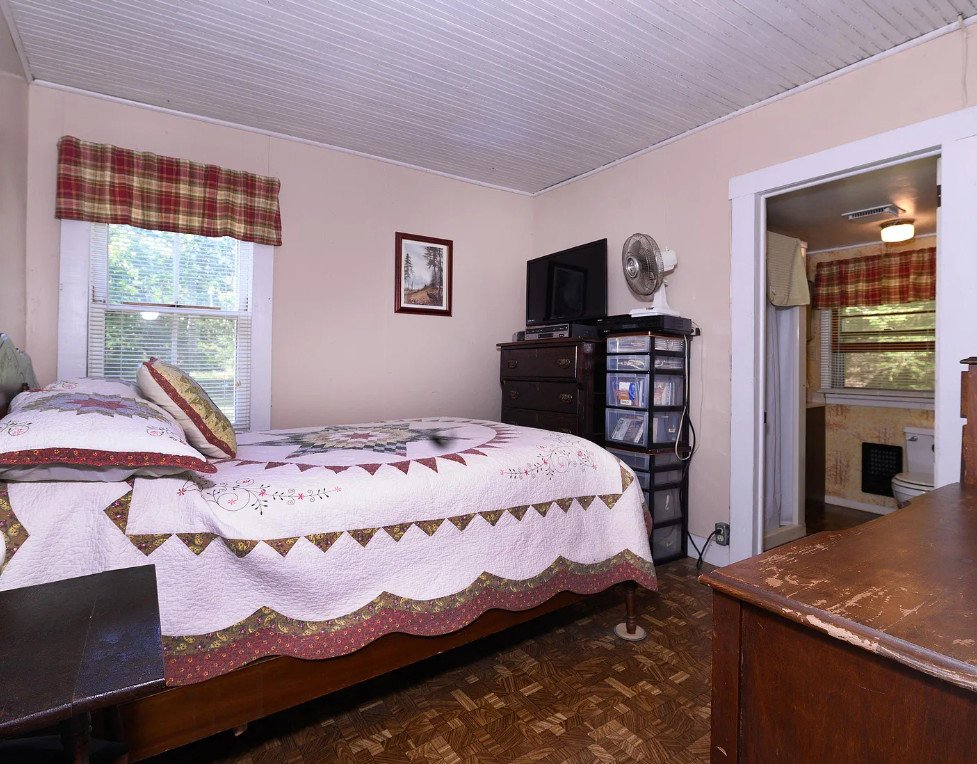
The farmhouse at the heart of the land is humble, sturdy, and reflective of rural living in the early 20th century. Constructed in 1925, it includes three bedrooms, two bathrooms, and about 1,081 square feet of interior space.
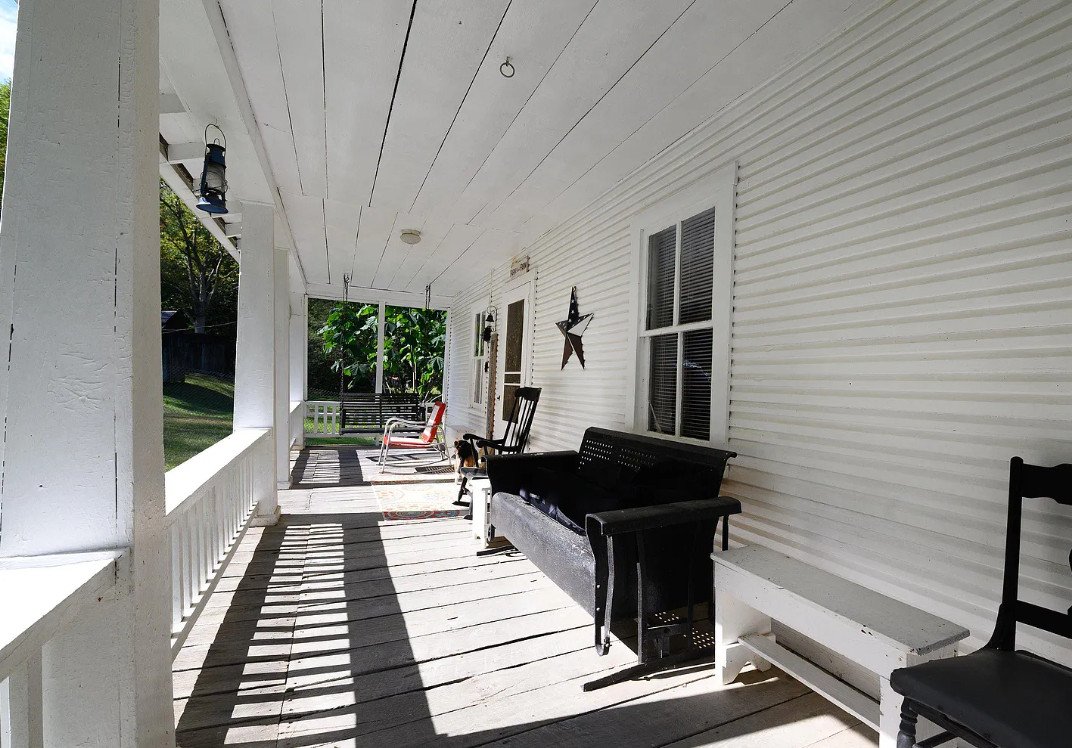
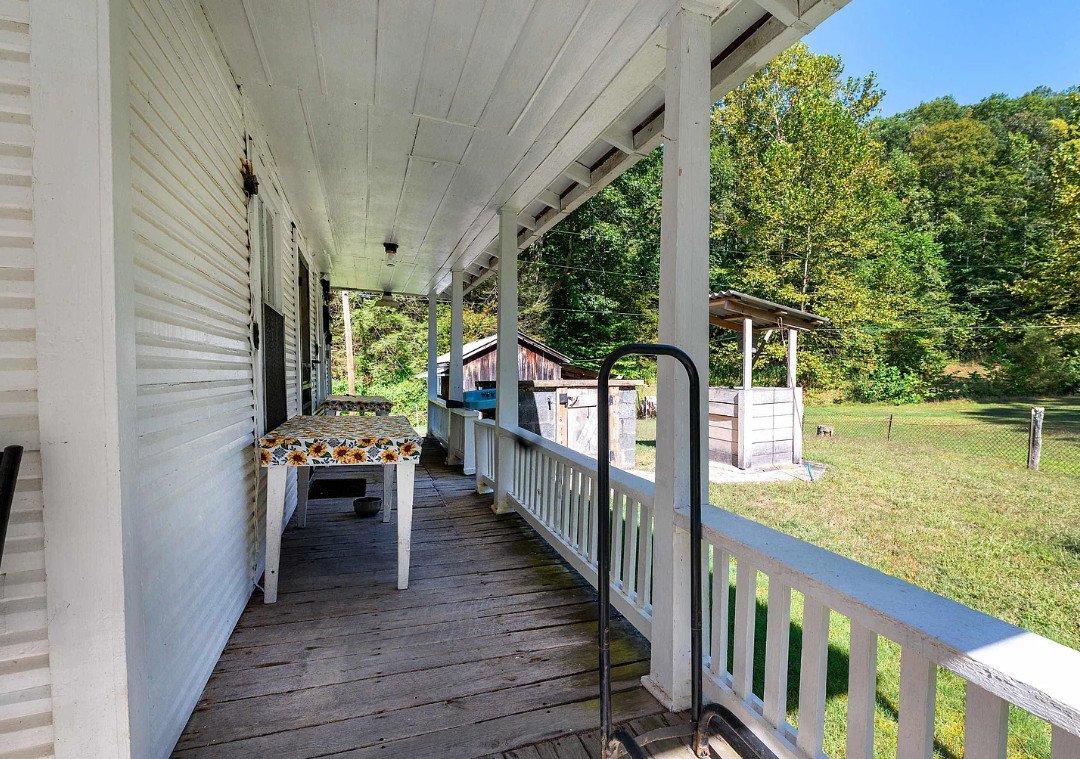
A covered porch wraps along two sides of the structure, offering views over the property and providing shelter from sun, rain, and the mountain winds. Homes of this period often prioritized practicality, and this one shows exactly that: the layout is simple, the rooms straightforward, and the materials enduring.
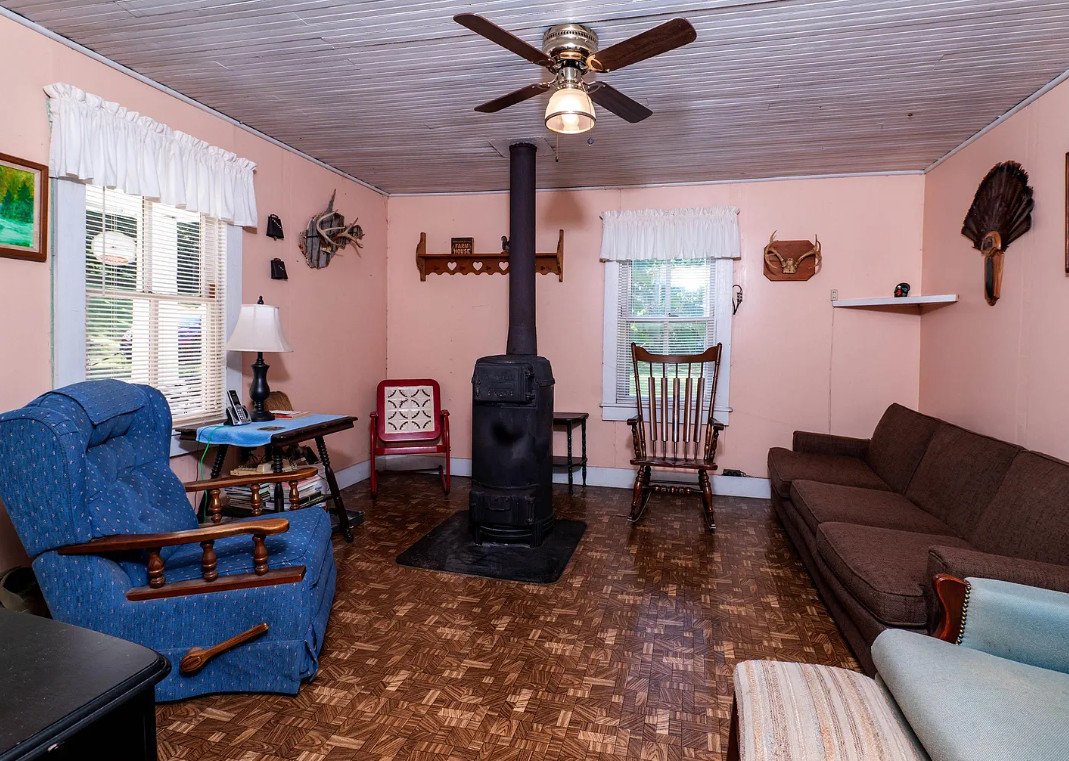
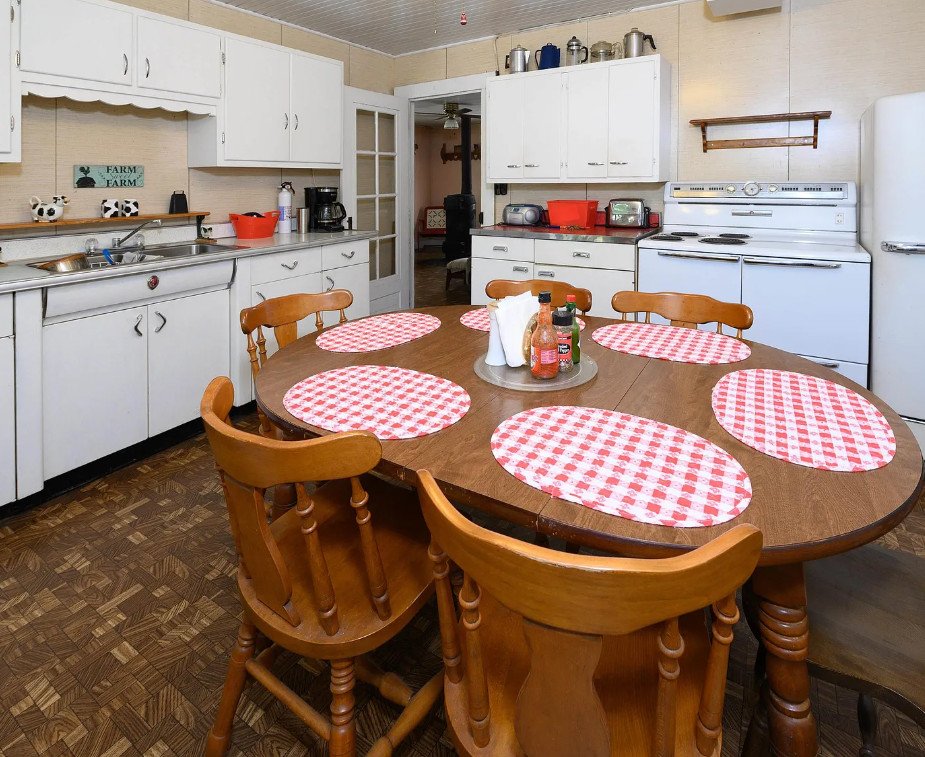
Inside, the home still retains elements of an earlier lifestyle, most notably a wood and coal stove—a reminder of the era before modern heating systems. Nearby sits a hand-dug well, still operational, that once supplied all the water needed for daily life. Beneath the house is a canning cellar, another relic of rural resourcefulness, where families stored jars of preserved vegetables, meats, and fruits through the colder months. Though simple, these features reflect a way of living closely tied to the rhythms of the land and the seasons.
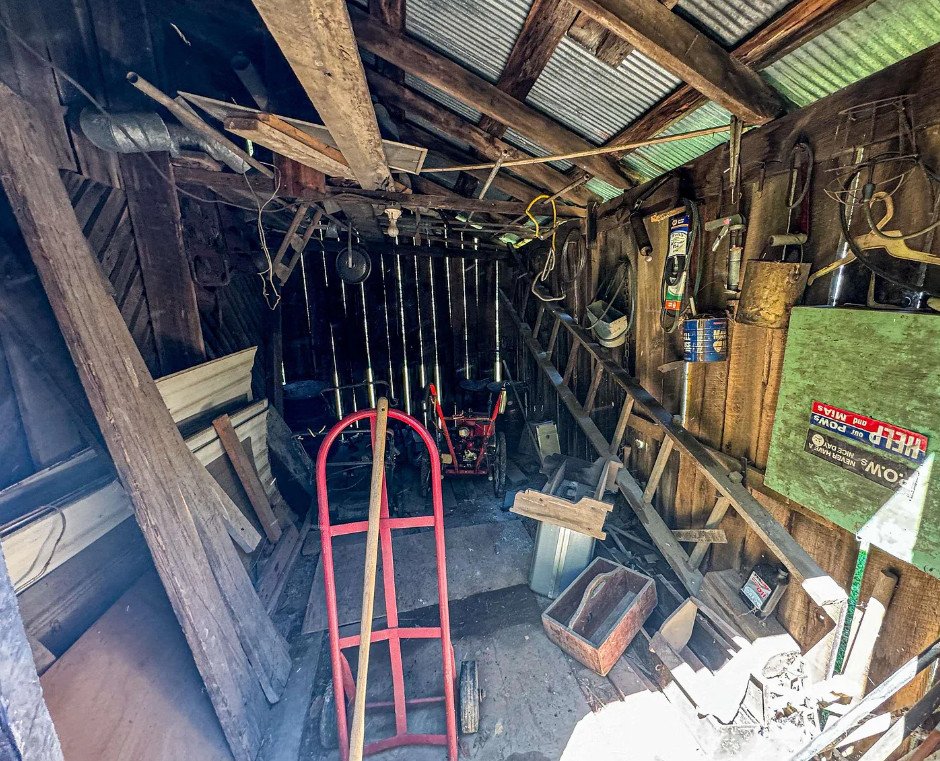
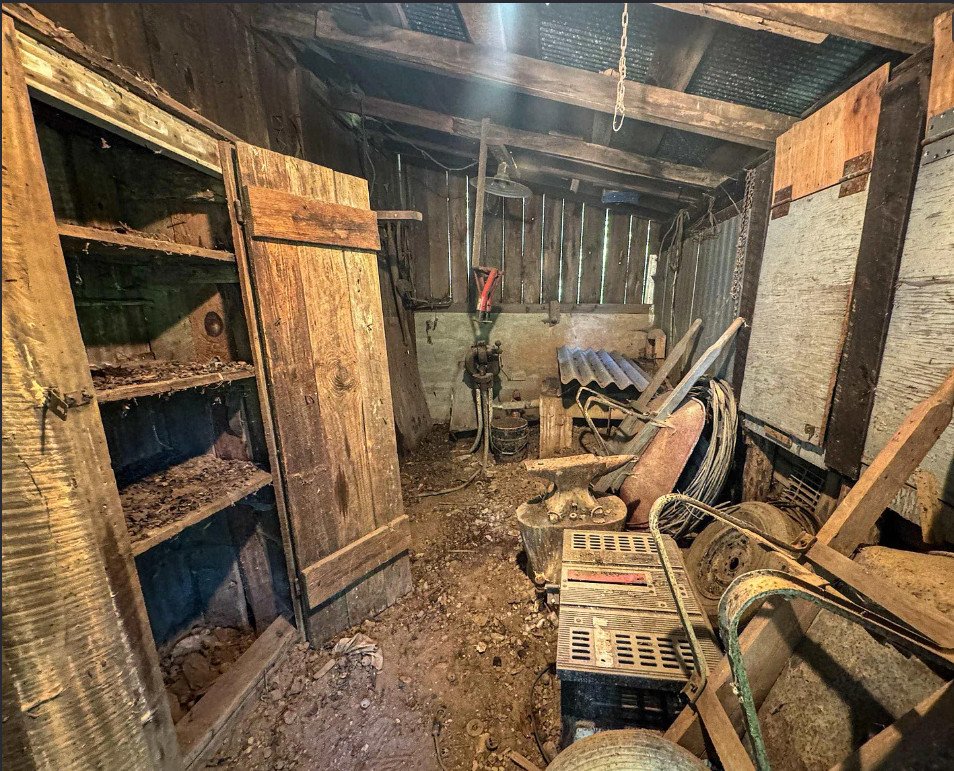
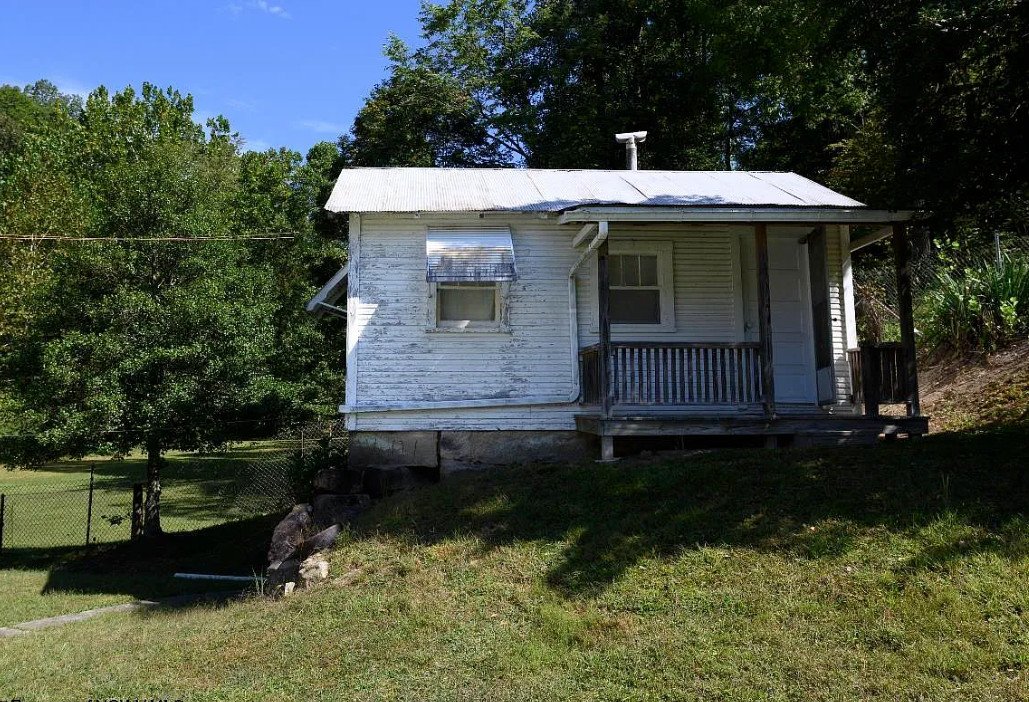
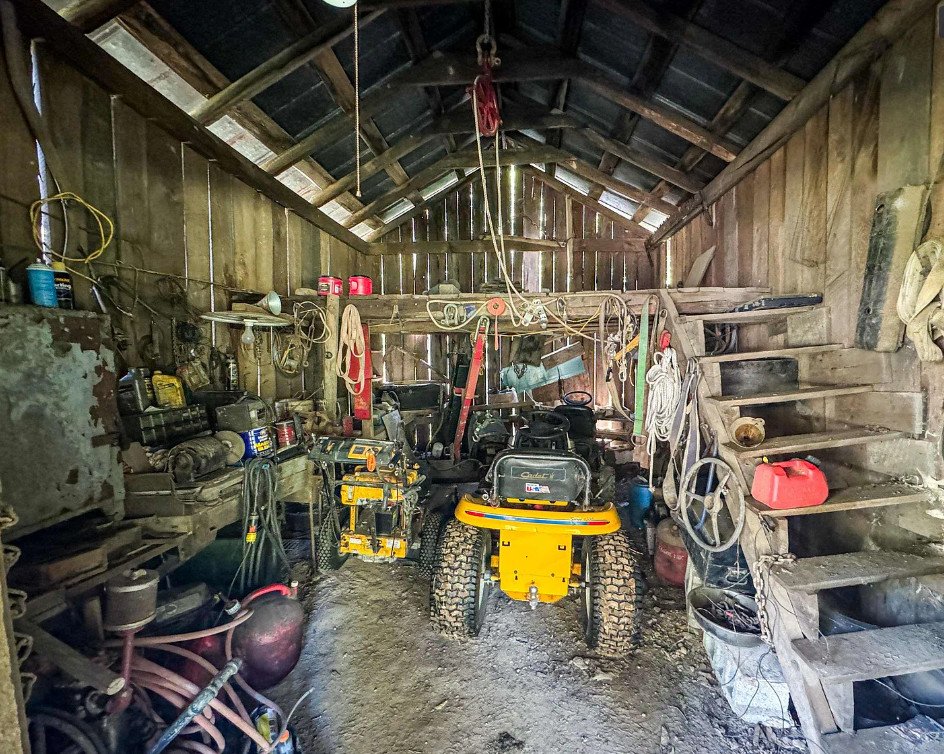
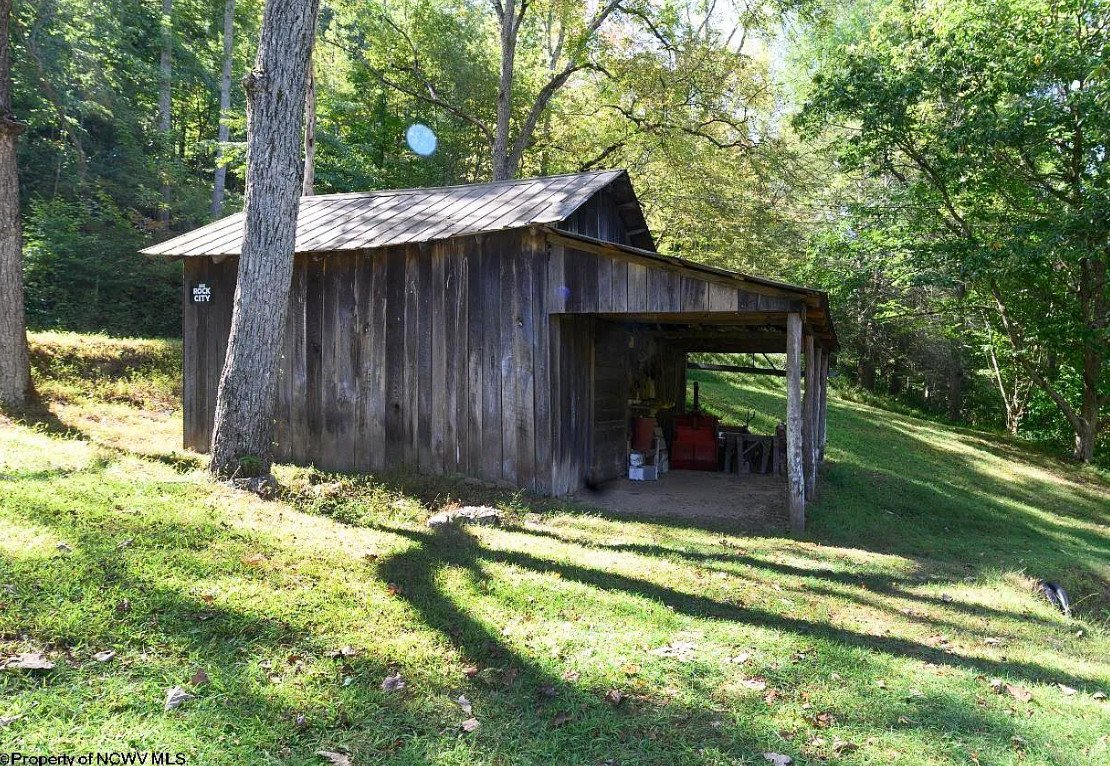
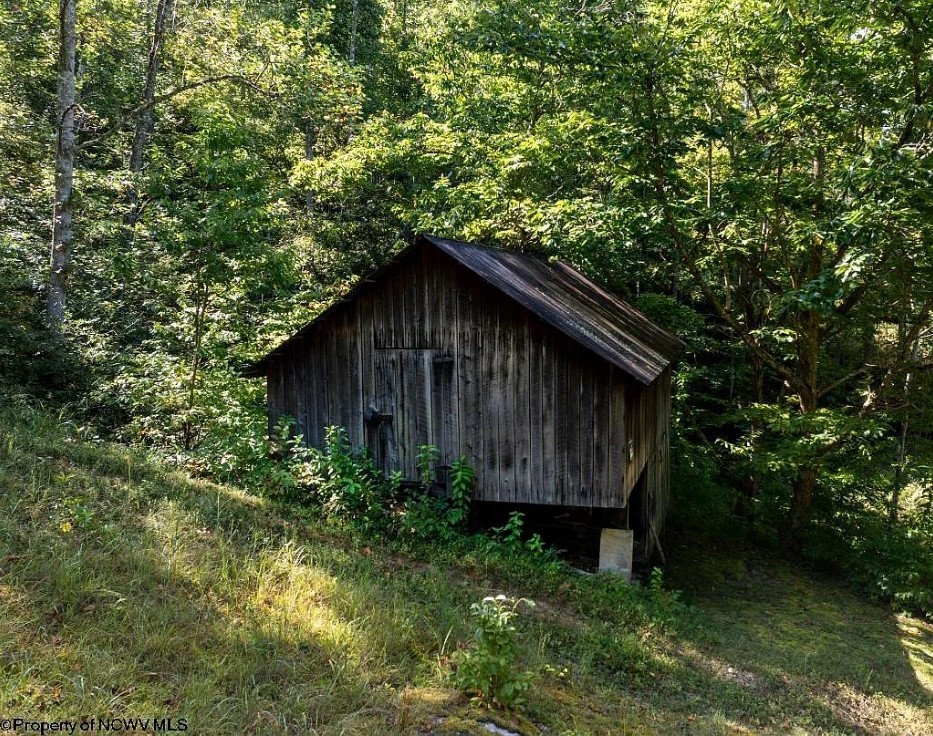
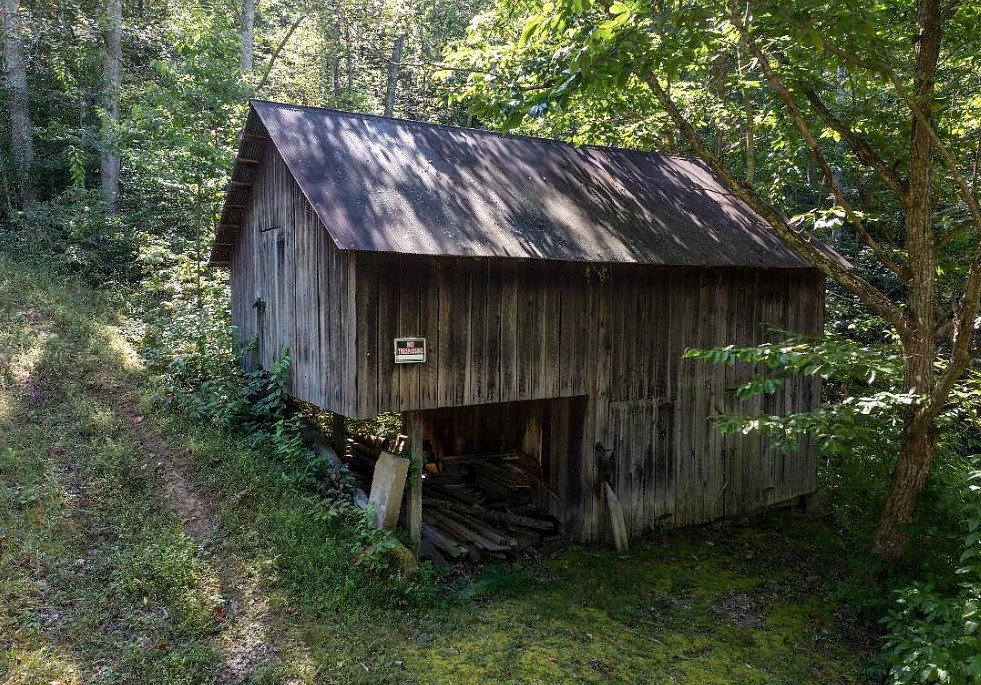
What sets this property apart, however, is not only the house, but the collection of outbuildings scattered across the acreage. Among them stands an old blacksmith shop, a rare survival and an important link to the practical skills that once sustained Appalachian communities. The structure still carries the atmosphere of its working days, when tools were forged, equipment repaired, and neighbors dropped by with broken hardware needing a quick fix. Beside it stand additional buildings, including a corn crib and various storage structures, each one offering possibilities for restoration, repurposing, or historical preservation.
The property’s location adds another layer of richness. It sits just 2.8 miles from the Elk River, a well-known destination for fishing and outdoor recreation. The Wallback Wildlife Management Area, located around 12.9 miles away, opens the door to even more expansive hiking, hunting, and exploration opportunities. With such surroundings, the homestead feels deeply rooted in the outdoor traditions that define this part of West Virginia.
Over the decades, this land has remained peaceful, remote, and remarkably unchanged. The hills have continued to support wildlife. The creek has flowed through each passing season. The farmhouse and outbuildings have stood quietly, touched only by time and weather. And through it all, the property has retained the same sense of purpose: a place for retreat, for hunting, for gathering, and for reconnecting with the natural world.
Today, the farmstead still offers numerous possibilities. Some may see it as a rustic escape where the pace slows and the silence settles in. Others might envision restoring the old buildings to revive the atmosphere of early Appalachian craft and labor. For those drawn to the outdoors, the land provides room to roam, explore, and experience the wilderness firsthand. Whatever the vision, the soul of the property remains the same—deeply historic, quietly powerful, and undeniably Appalachian.
In a world where such untouched landscapes are becoming increasingly scarce, this early 20th-century West Virginia homestead stands as a reminder of endurance, heritage, and the simple beauty of living close to the land.