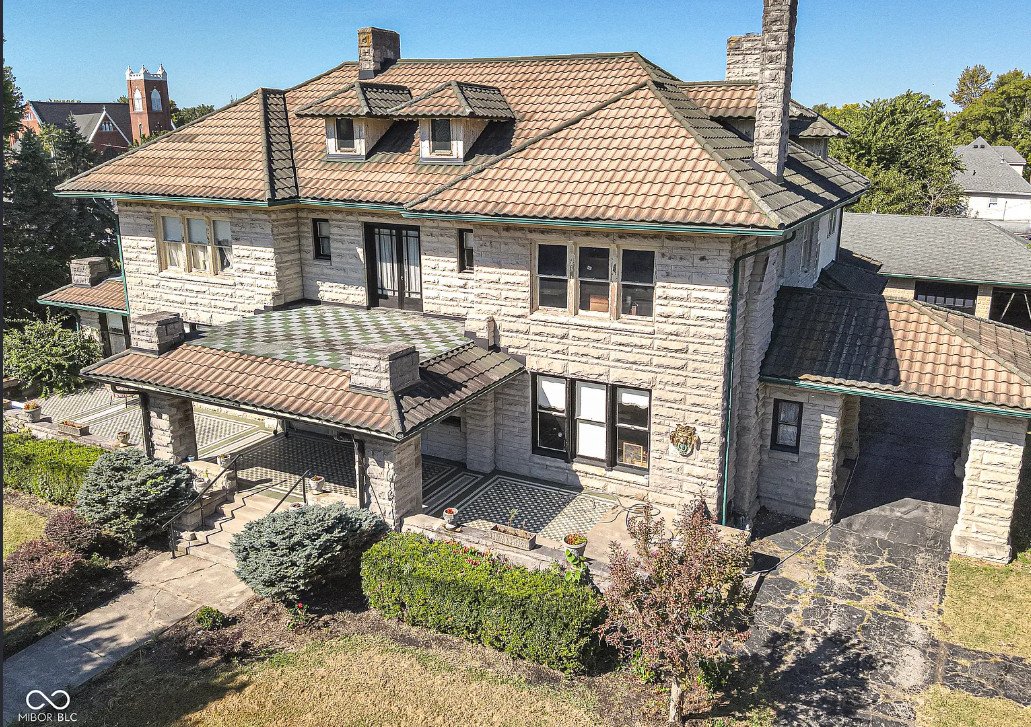
Beautiful exterior! 7 beds/7 baths! Over 11,000 square feet in Indiana. $345,000
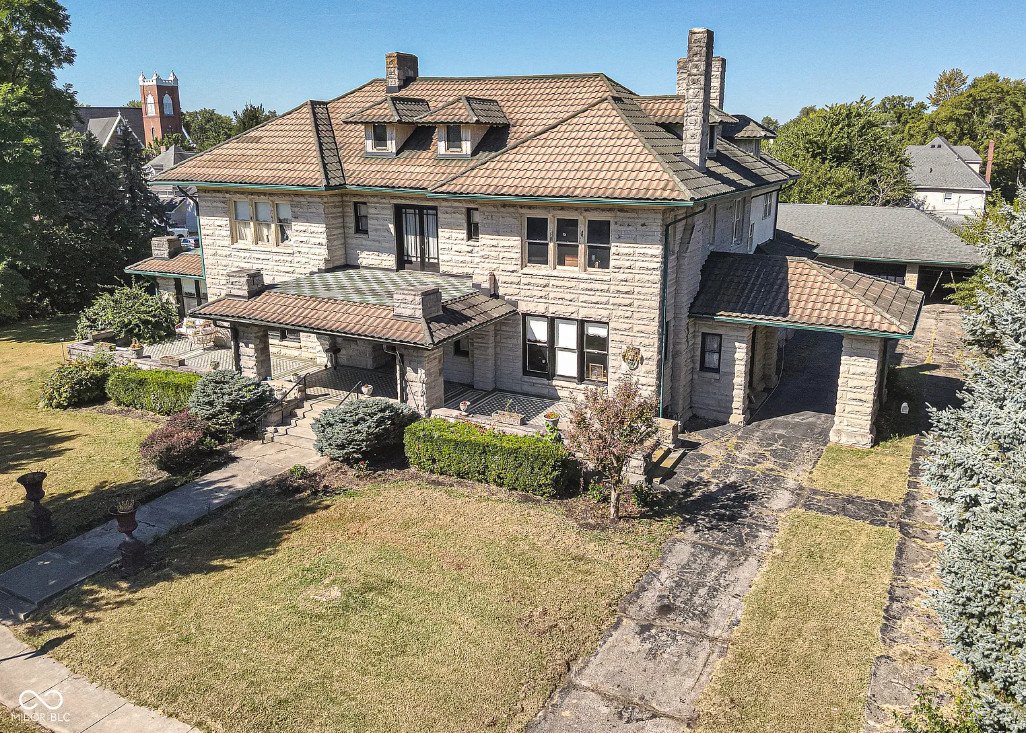
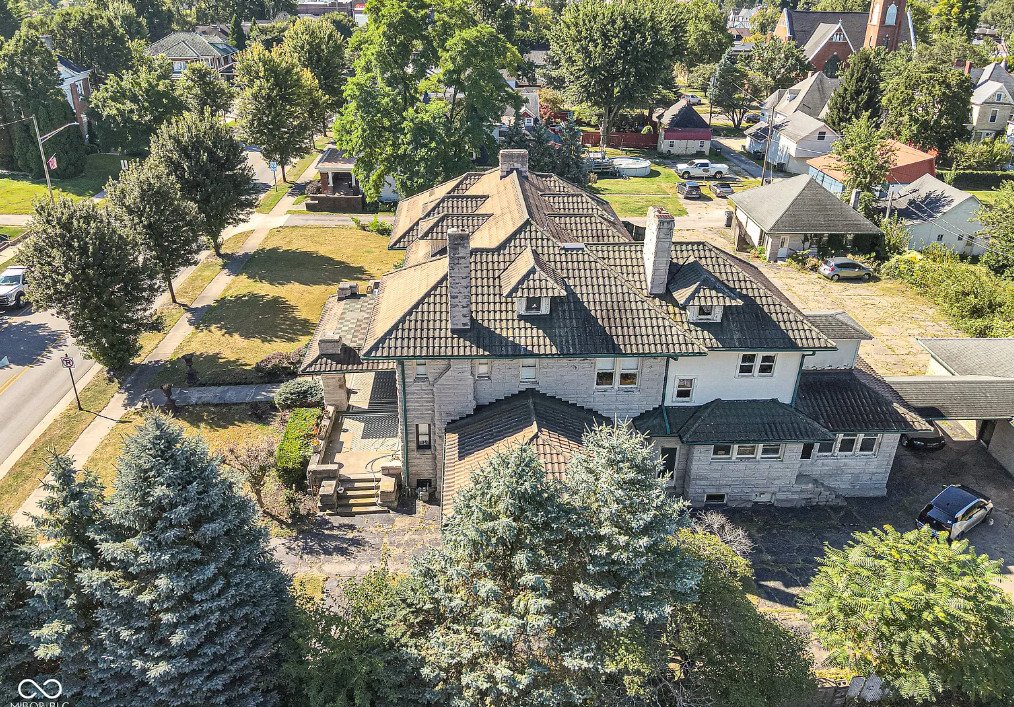
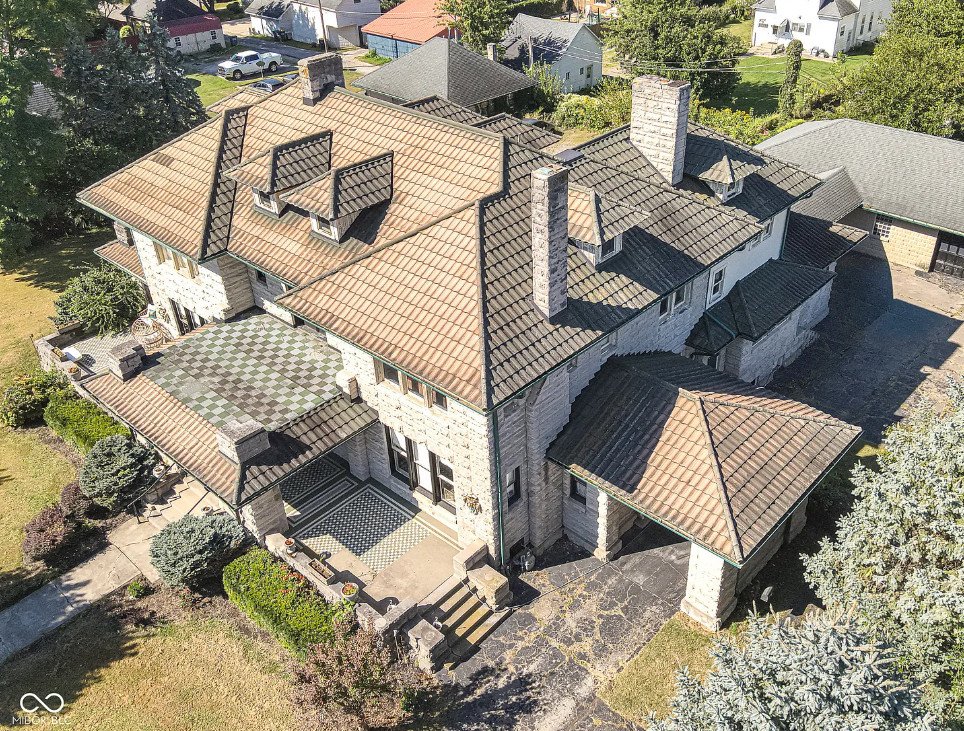
Standing with quiet authority and unmistakable presence, this palatial Bedford stone foursquare in Rushville, Indiana is a striking example of turn-of-the-century American residential architecture.
Built in 1900 and set on approximately .66 acres, the home offers more than 11,000 square feet of living space, making it one of the most substantial historic residences in the area. Its scale, materials, and surviving details reflect an era when homes were designed to convey permanence, craftsmanship, and architectural ambition.
The exterior immediately captures attention. Clad in classic Bedford limestone, the house projects strength and refinement, a combination that has allowed it to endure for more than a century.
The foursquare form, with its balanced proportions and dignified symmetry, gives the structure a stately appearance that feels both monumental and residential. This type of stone construction was often reserved for prominent homes, and its use here signals the importance originally placed on quality and longevity.
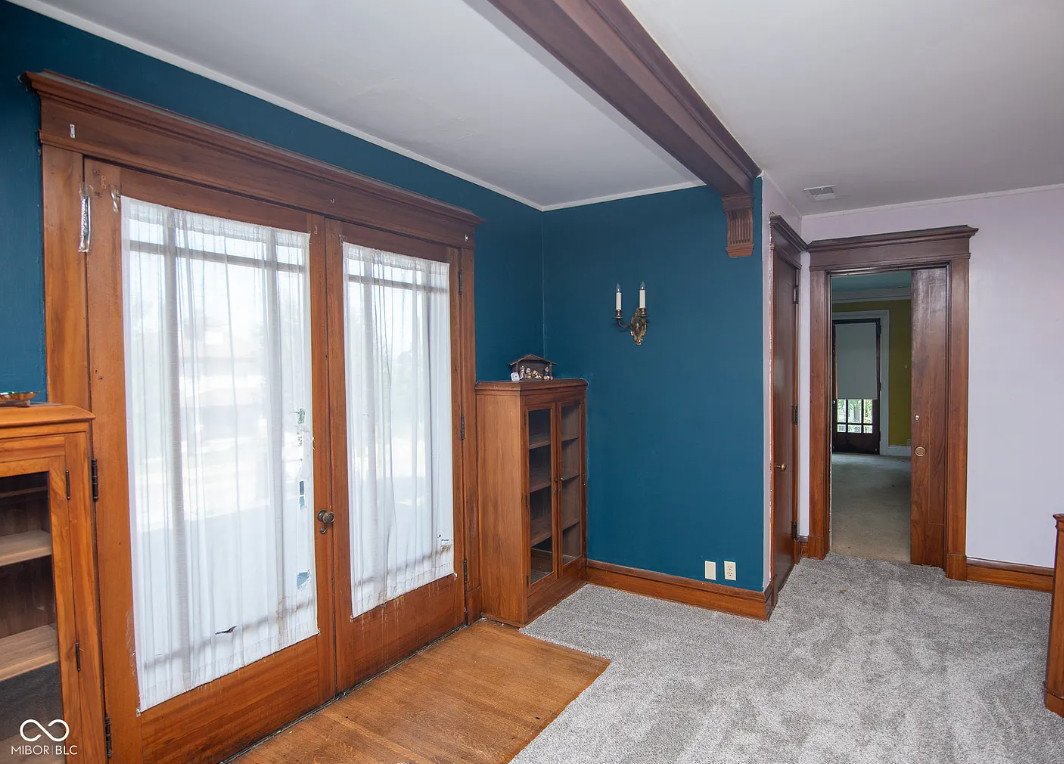
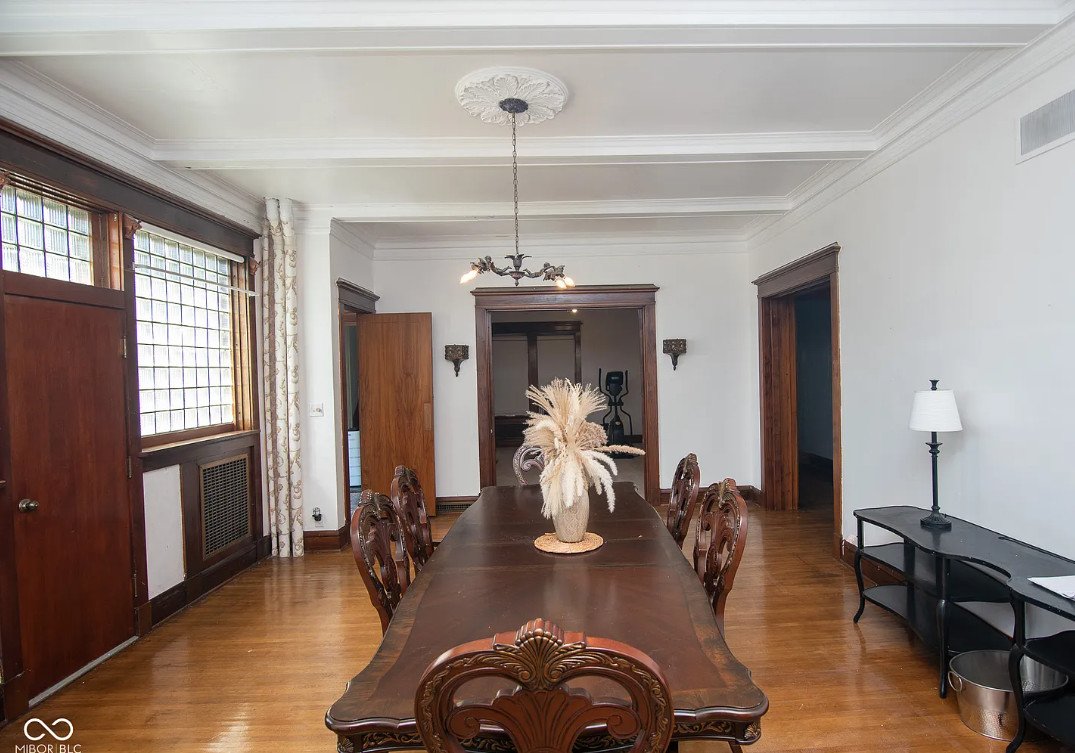
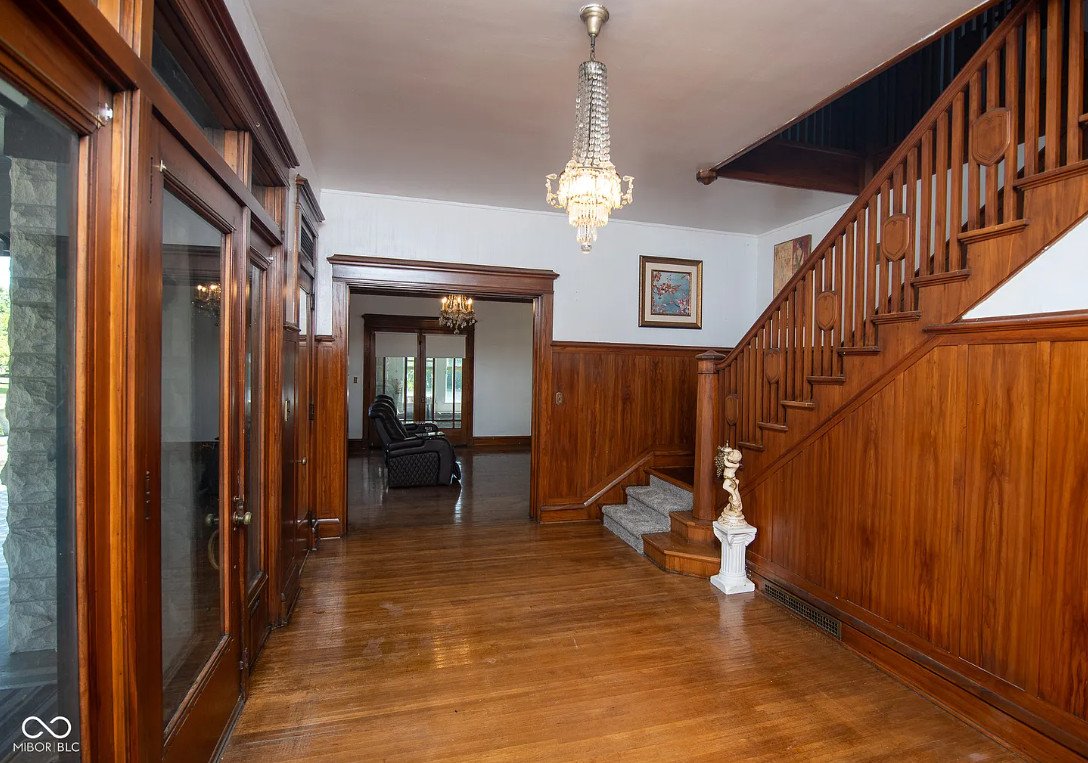
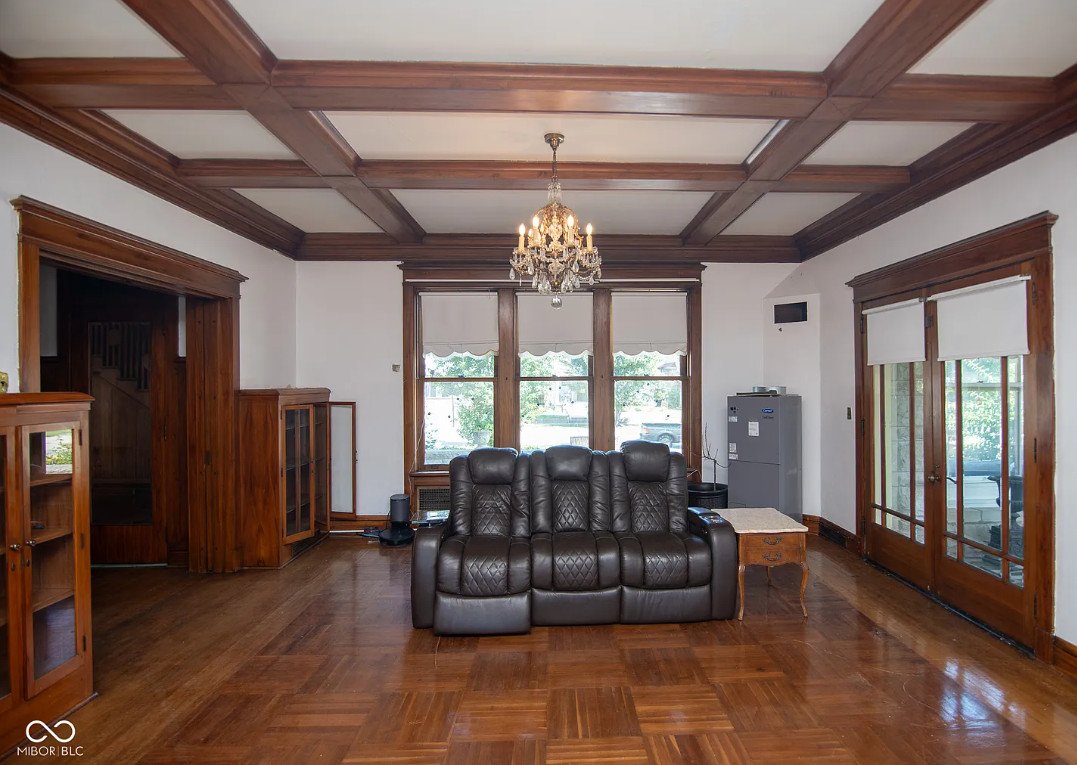
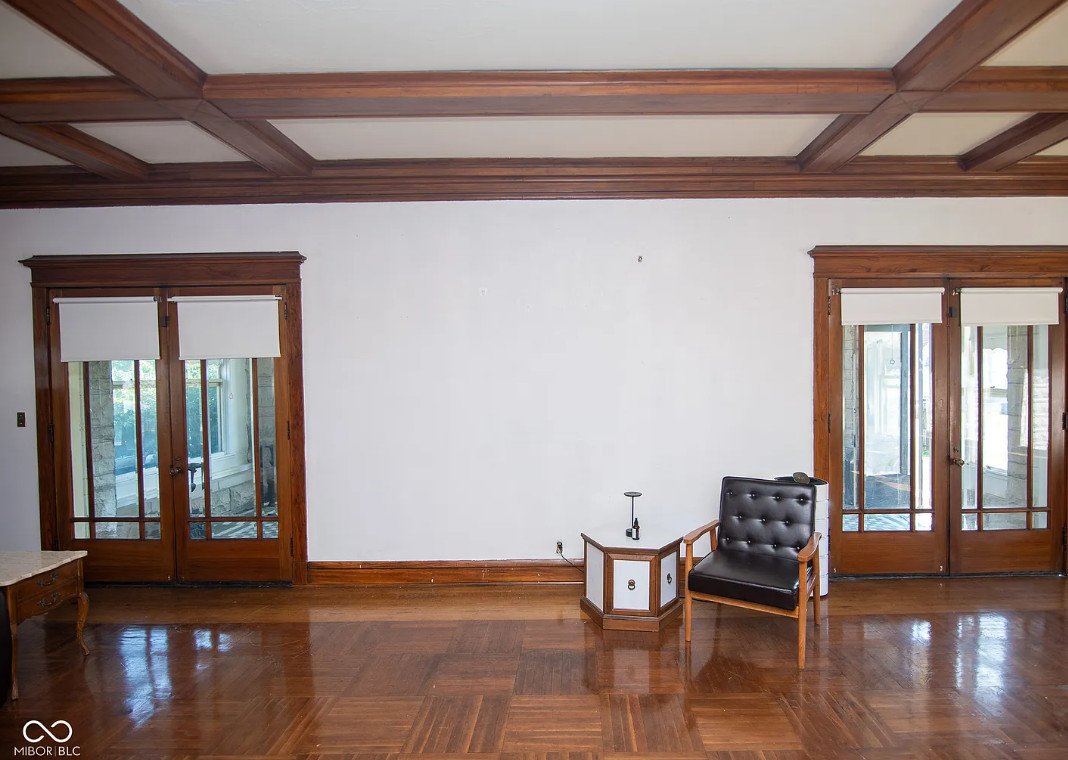
Inside, the home reveals an impressive collection of original materials and design elements. Hardwood floors remain throughout much of the interior, joined by parquet flooring and areas of historic carpeting that hint at different phases of the home’s life.
Grueby and travertine tile appear in select spaces, adding warmth, texture, and artistic interest. These materials were highly regarded at the time and were often chosen to elevate a home beyond the ordinary.

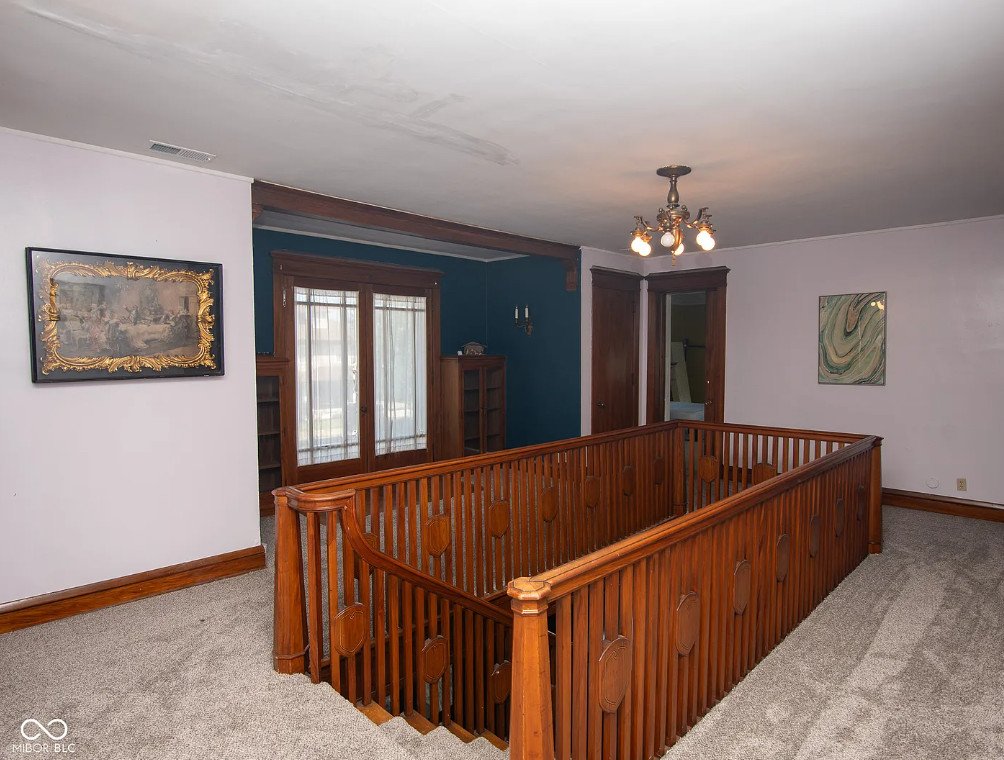
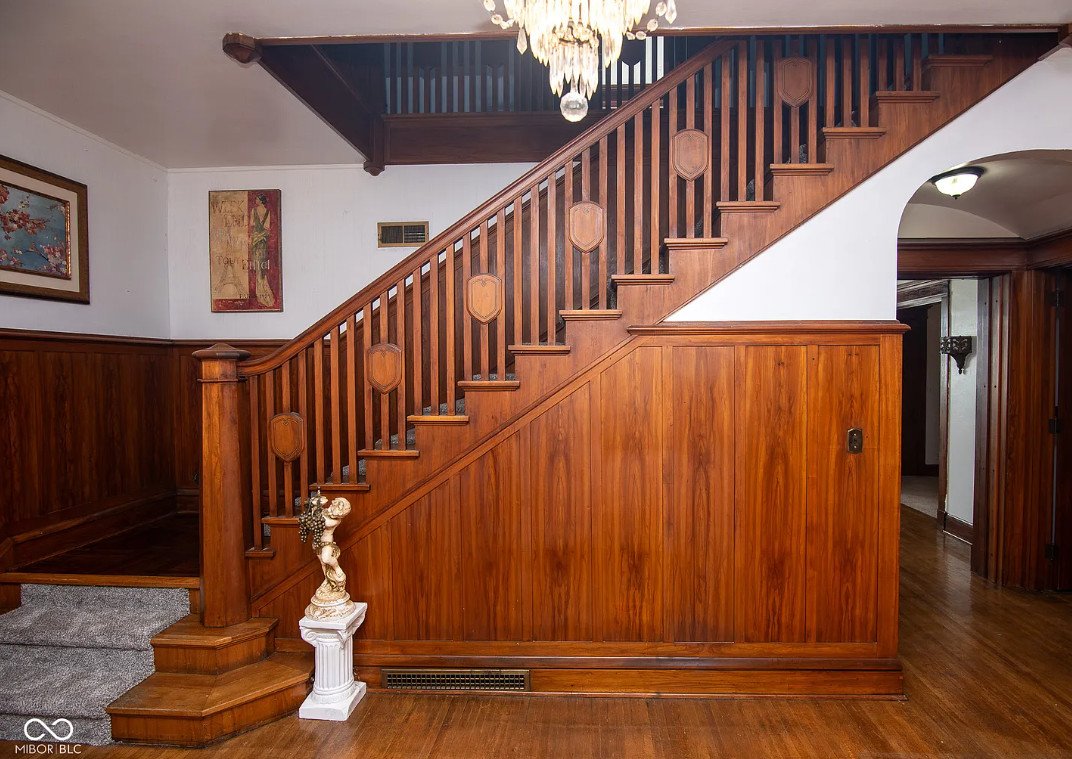
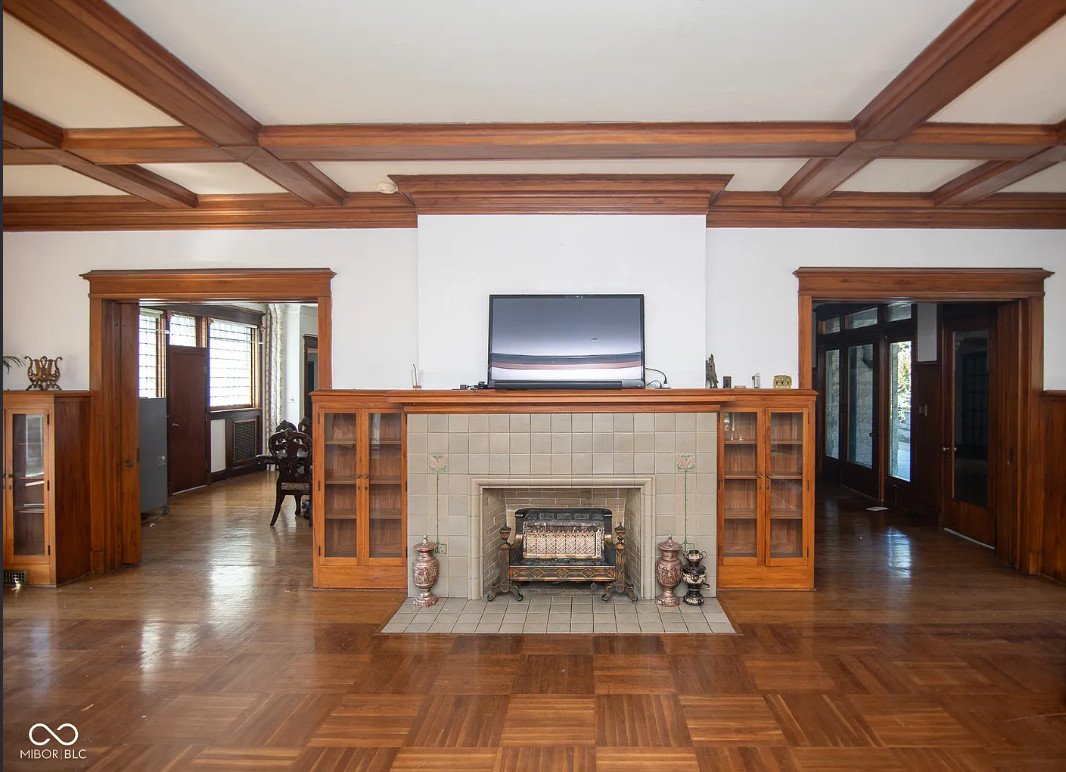
One of the most visually striking interior features is the main staircase. Graceful and substantial, it serves as a central architectural anchor, reinforcing the home’s scale and verticality. Nearby, the living room is crowned by a beautifully detailed coffered ceiling, a feature that adds depth and elegance while showcasing the craftsmanship of the period. Throughout the house, pocket doors allow rooms to transition easily between open gathering spaces and more private retreats.
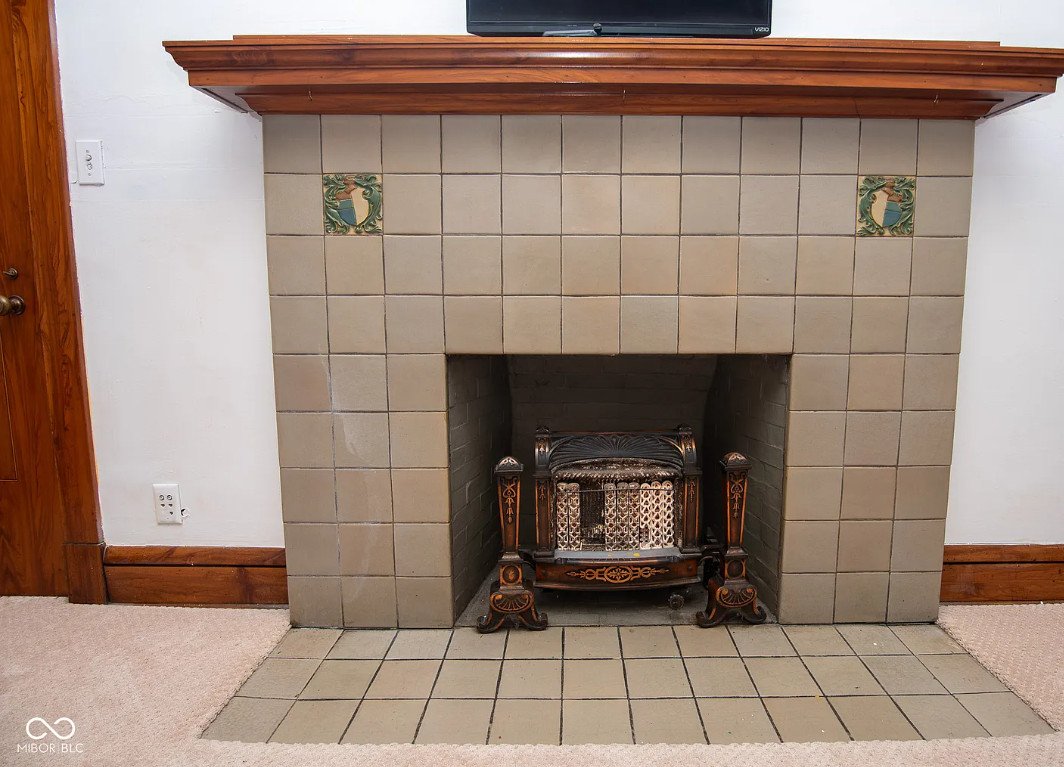
Fireplaces are a defining element of this residence. In total, the home contains six fireplaces, each adorned with Rookwood Pottery. These ceramic surrounds are not only decorative but historically significant, as Rookwood pieces were handcrafted and often custom-designed. Even the basement continues this theme of thoughtful design, with walls finished in decorative Rookwood tile rather than plain masonry, an unusual and highly distinctive detail.
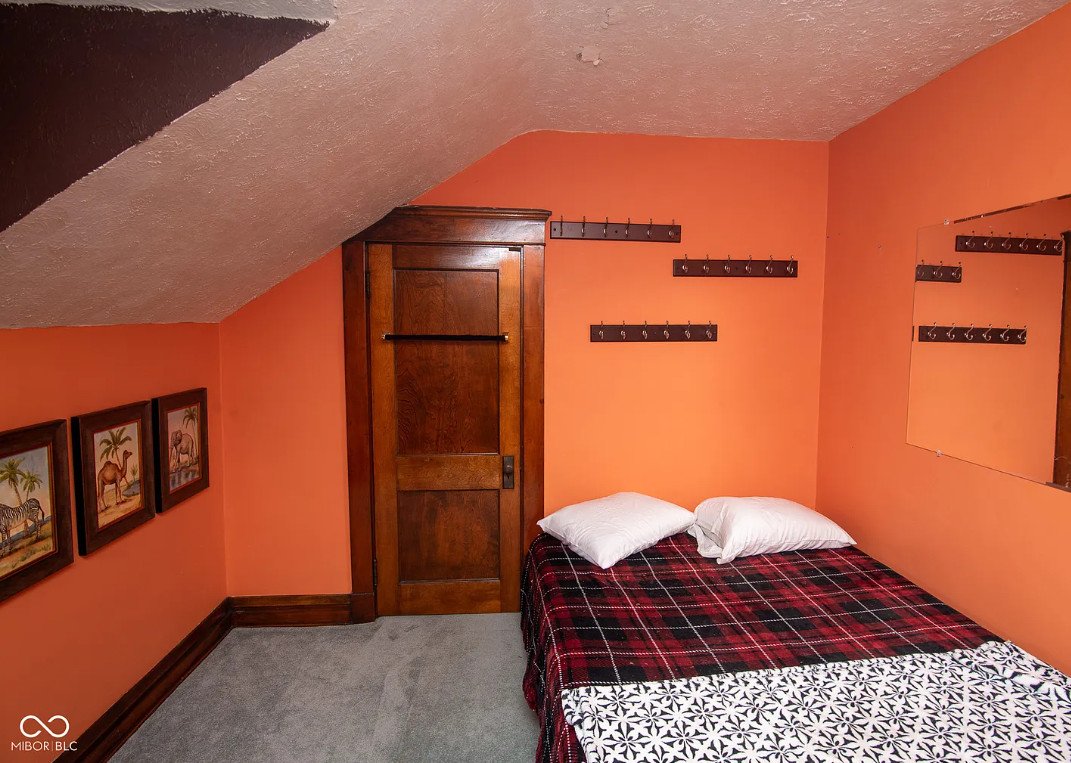
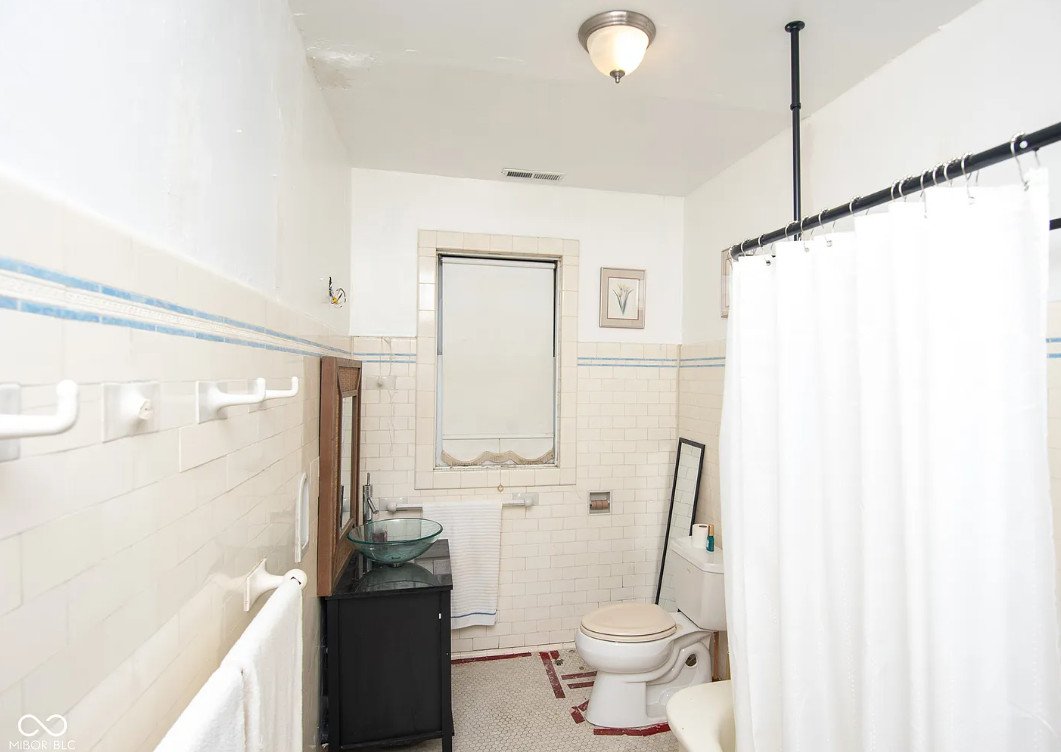
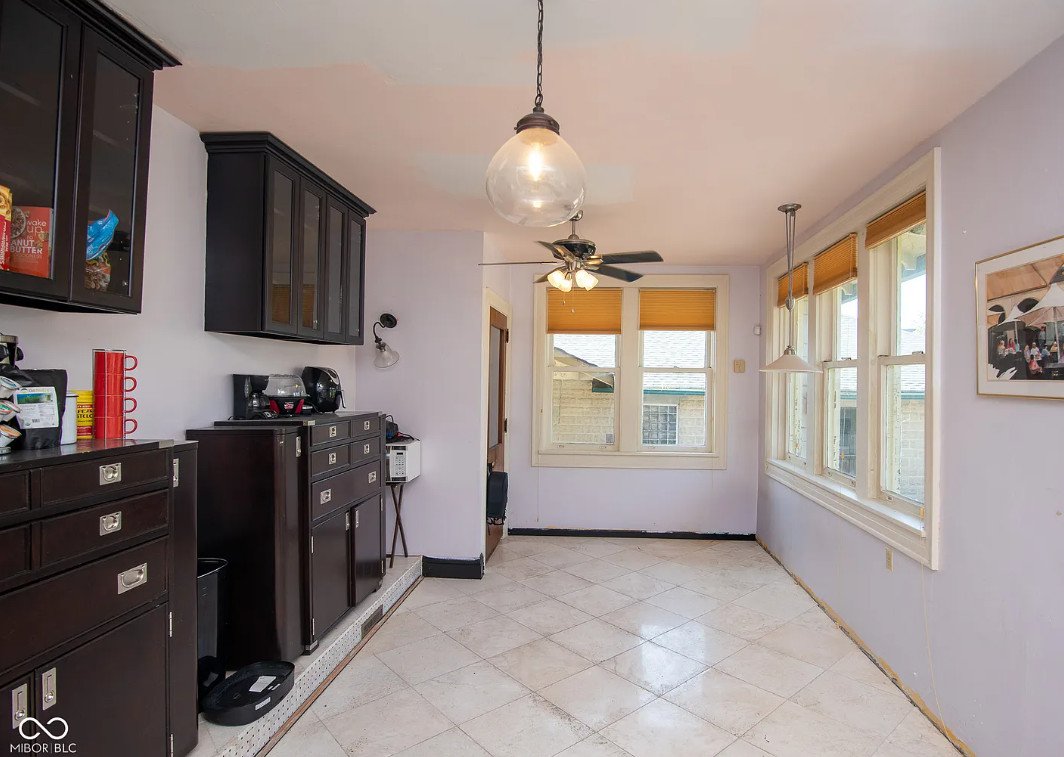
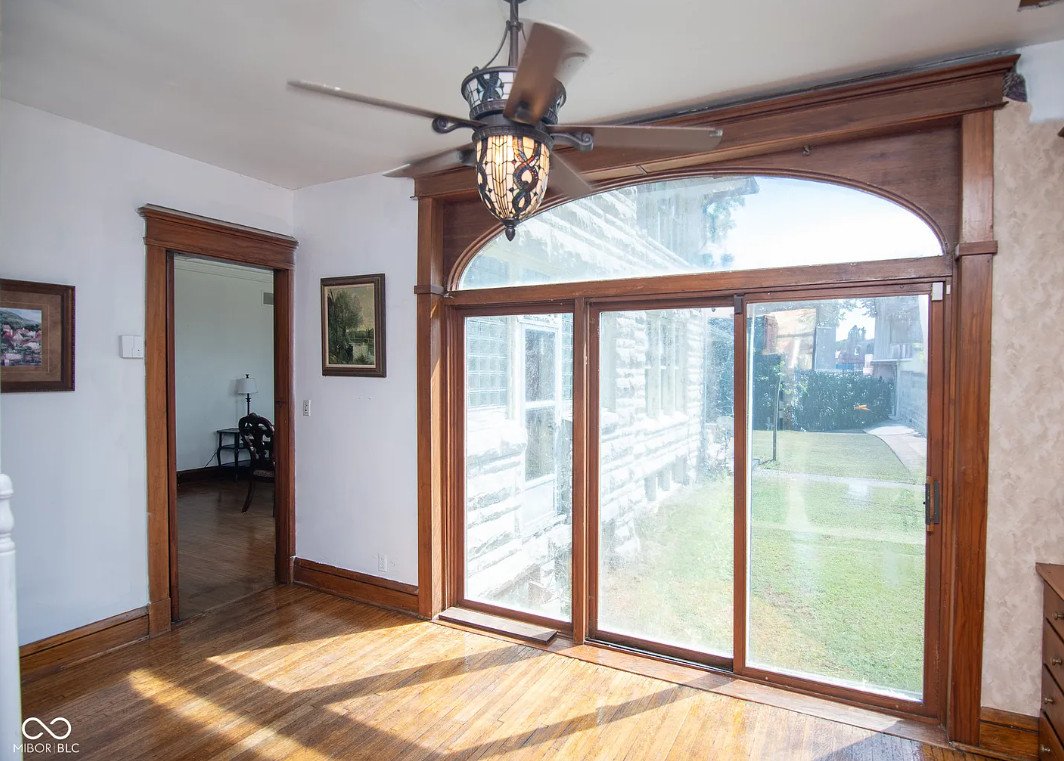
The layout offers seven bedrooms and seven bathrooms spread across three full floors of living space. Room sizes are generous, with high ceilings that enhance the sense of openness and light. Large windows throughout the home bring in natural daylight, highlighting the woodwork and finishes while softening the scale of the interiors. A sunroom provides a bright, welcoming space that connects the interior to the outdoors, while a spacious three-season room retains original double doors and tiled flooring. These spaces are well suited for both entertaining and everyday enjoyment.

Over time, updates and renovations have been introduced, reflecting changing tastes and needs. While some of these changes modernized the house, there remains an opportunity for thoughtful restoration. With careful attention, certain alterations could be reversed or refined to better align with the original architectural vision, allowing the home’s historic character to fully reemerge. The strong foundation of original materials makes this a particularly compelling prospect for preservation-minded owners.
Beyond the main residence, the property includes a detached guest house that can function as in-law quarters or private accommodations for visitors. A large detached garage provides space for four or more vehicles and is connected to the main house by a covered breezeway, a feature that adds both practicality and architectural cohesion.
With its Bedford stone construction, rare tilework, multiple fireplaces, and expansive interior, this foursquare stands as a testament to early twentieth-century craftsmanship and ambition. It is a home that was clearly built to impress, not through excess ornamentation, but through scale, material quality, and thoughtful design. Even today, it retains the ability to inspire, offering endless possibilities for those who appreciate historic architecture and the stories embedded within its walls.