Oakmoor: A Rare Opportunity to Restore a 1905 Historic Gem in Earlington, Kentucky – $120,000
Set at 315 E Main St in Earlington, Kentucky, the historic residence known as Oakmoor presents a rare opportunity to acquire a property deeply rooted in early 20th-century architecture and local heritage. Priced at $120,000, this 1905-built home is officially listed on the National Register of Historic Places, a designation that underscores both its cultural importance and architectural value.
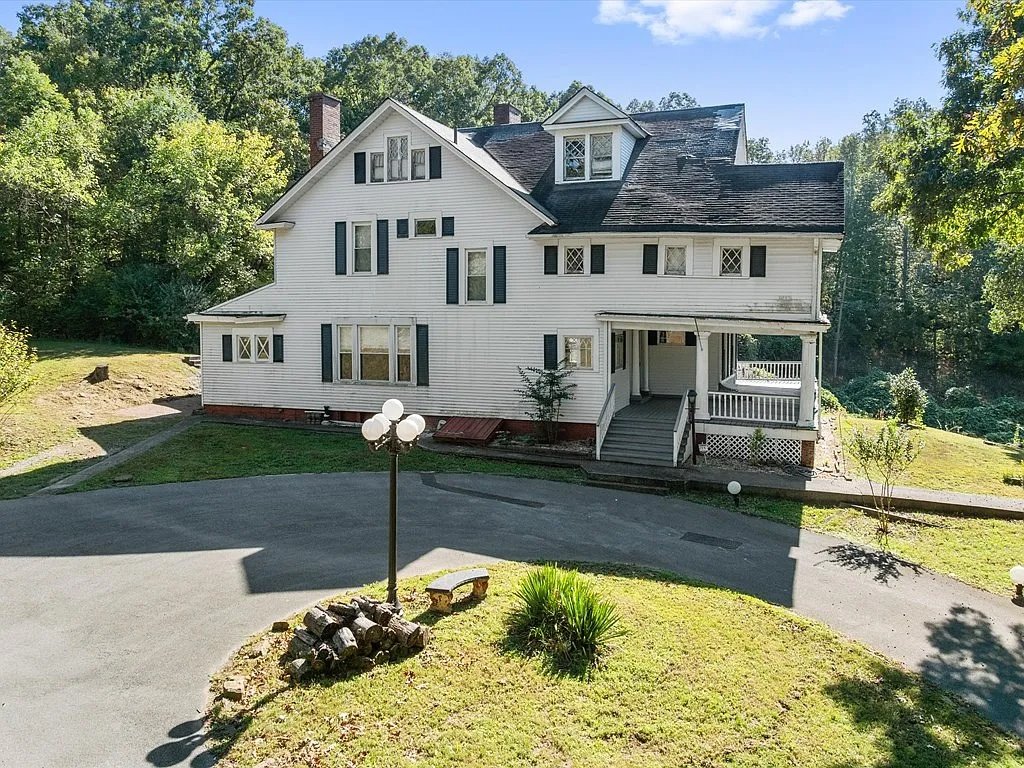
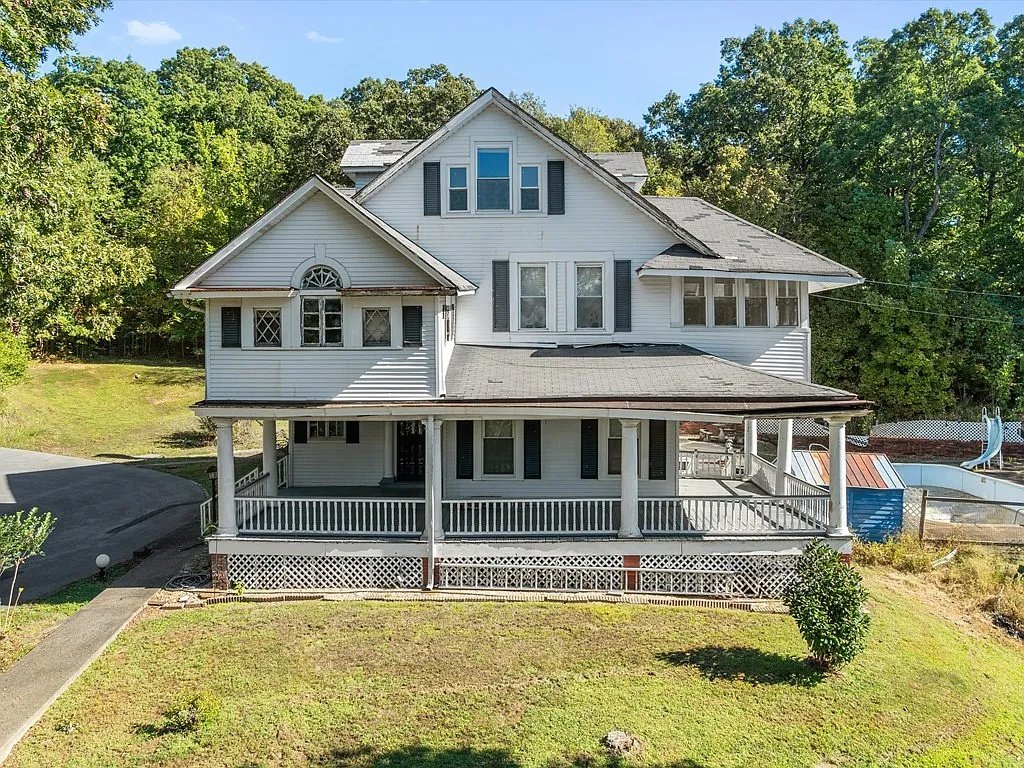
From the outside, Oakmoor immediately stands out as a structure shaped by a different era of craftsmanship. Believed to sit on an oak-covered hilltop—an origin story that likely inspired its name—the home carries a quiet but commanding presence. Even in its current weathered condition, it maintains an undeniable dignity that reflects the aspirations of the period in which it was built.
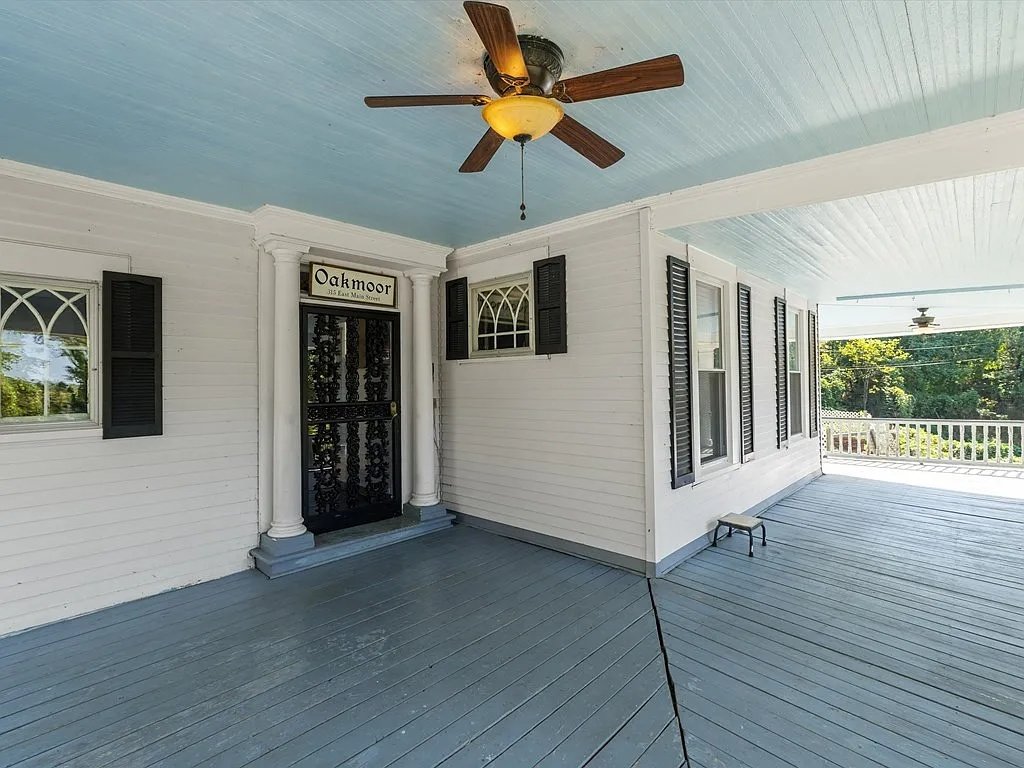
Architectural details still visible on the exterior hint at its former elegance. Tuscan columns frame the entryway, while tall Palladian windows add a sense of symmetry and refinement that was common in distinguished homes of the early 1900s. These elements, though aged, remain intact enough to provide a strong foundation for restoration. They also serve as a reminder of the craftsmanship that once defined the property.
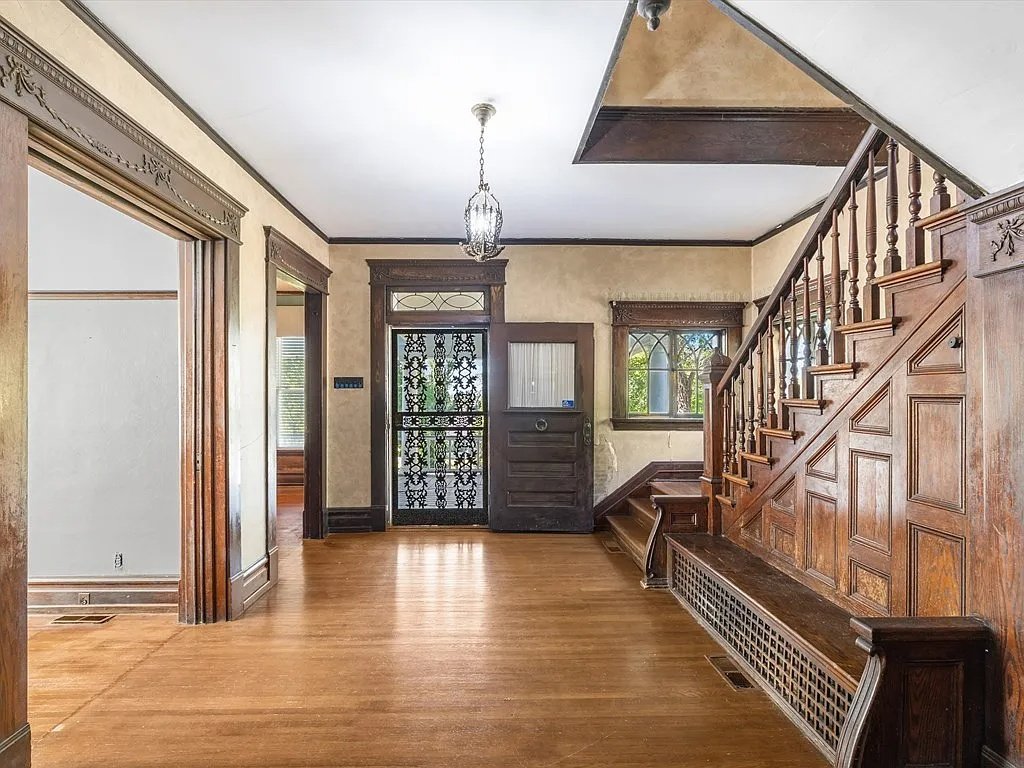
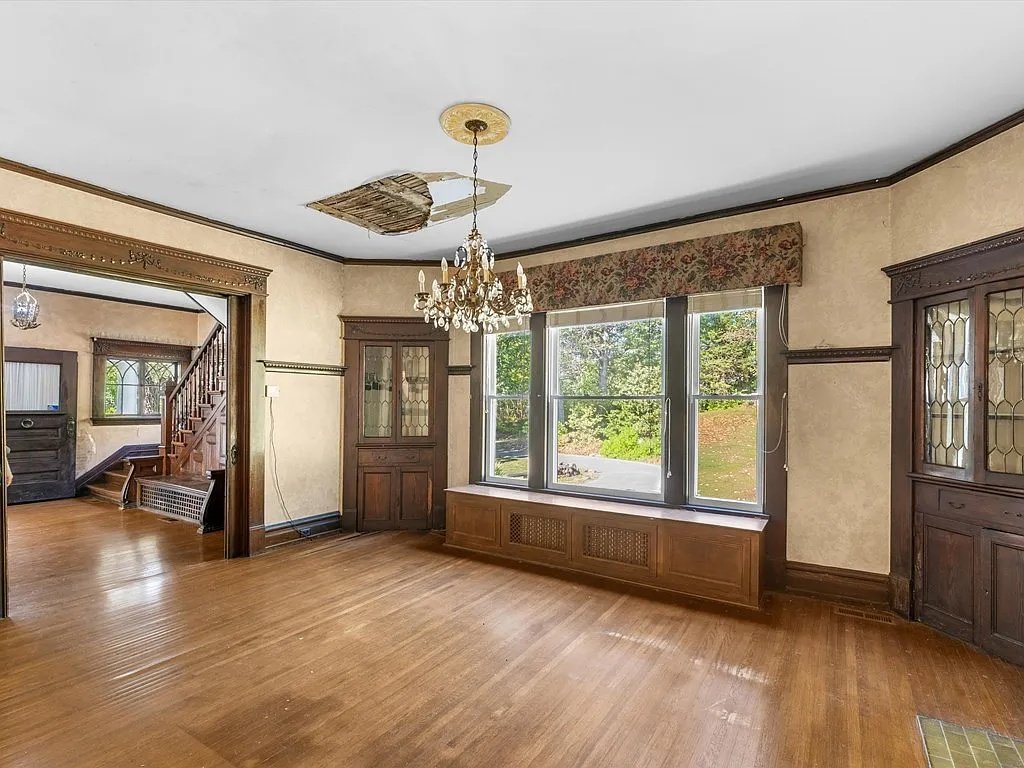
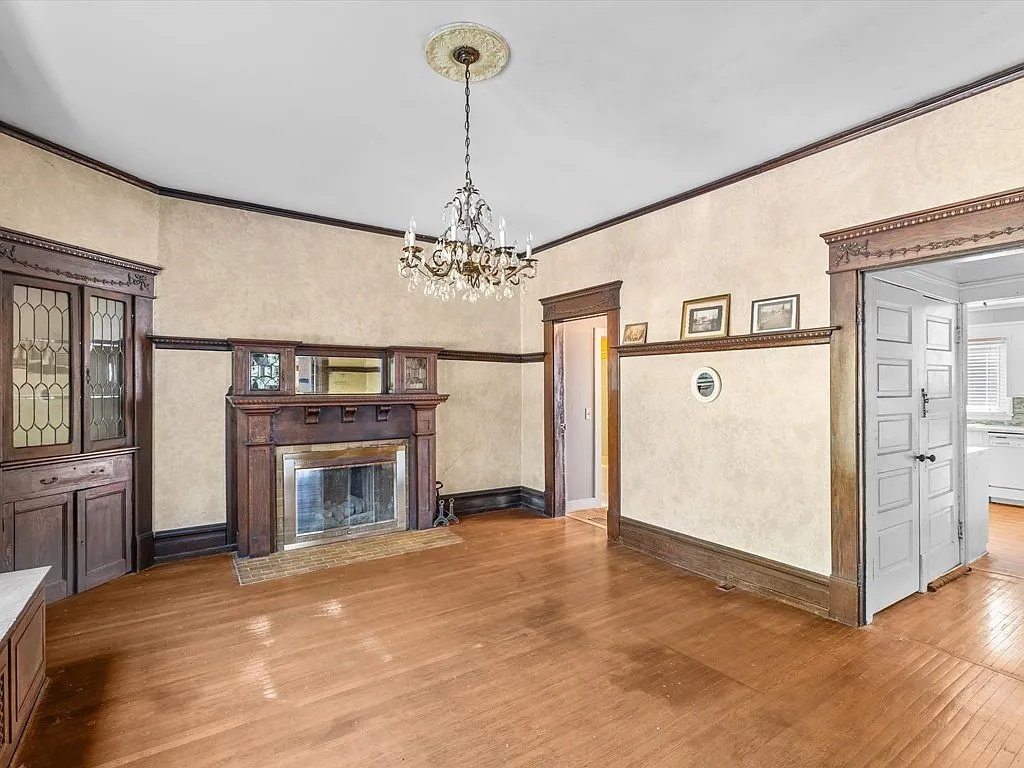
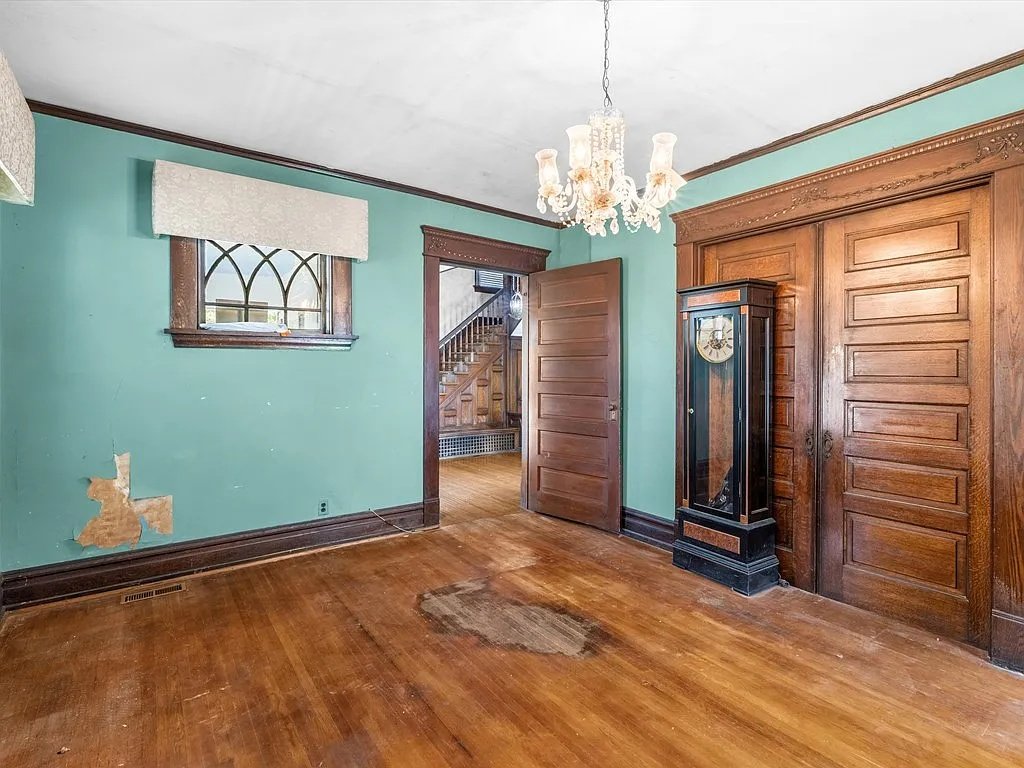
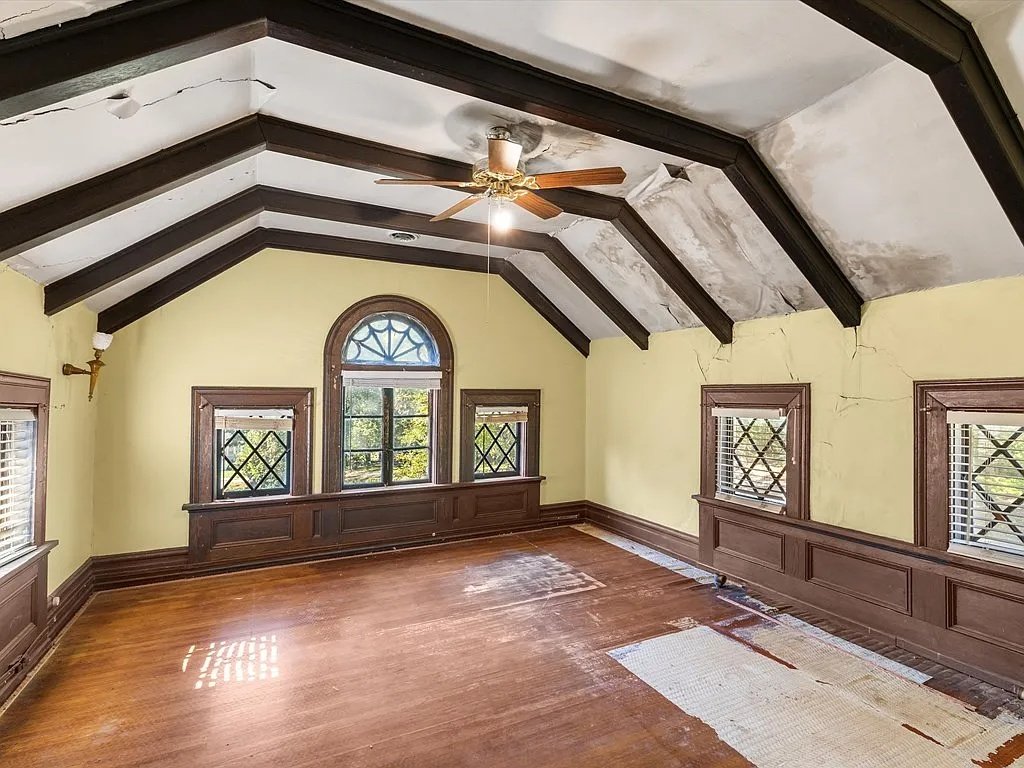
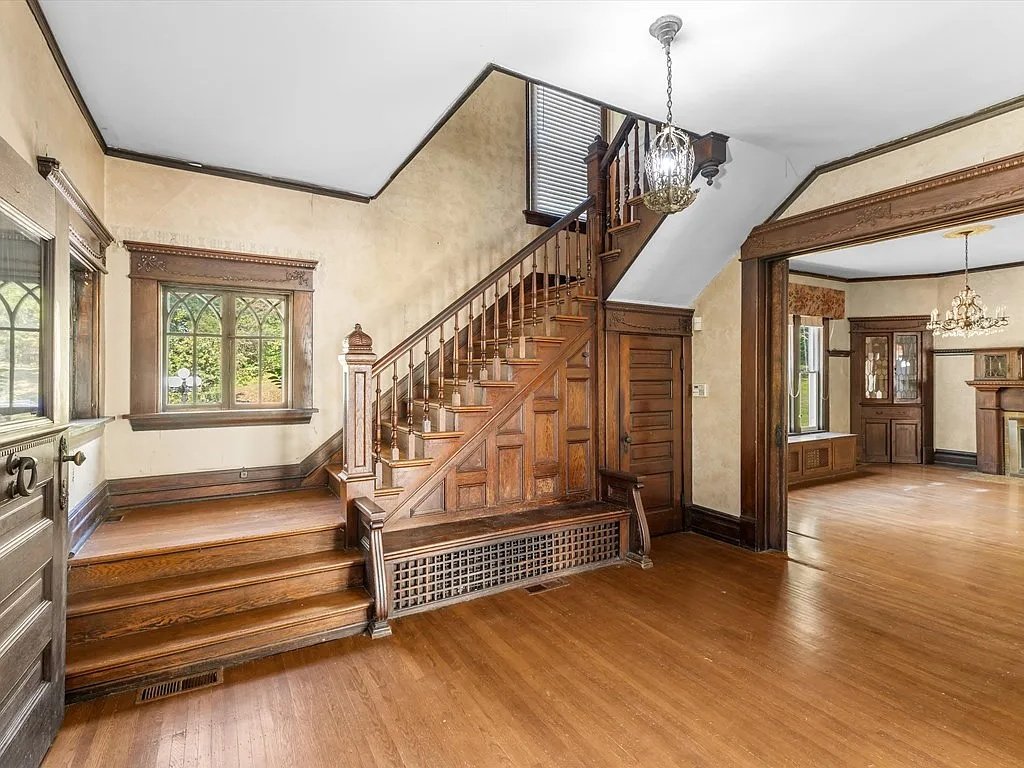
Inside, the home offers a spacious layout featuring five bedrooms and two full bathrooms, with one bathroom conveniently located on the main floor. The interior still preserves original trimwork, which has survived more than a century of use and environmental exposure. These details are particularly valuable for restoration efforts, as they allow future owners to preserve authentic historical character rather than replicate it.
However, Oakmoor is not a move-in-ready residence. It is a full-scale renovation project that requires both vision and commitment. Significant repairs are already known and include a new roof installation, HVAC system replacement, and structural attention to the front porch along with the room above it. Additionally, an in-ground pool located on the property may require either restoration or removal depending on the direction chosen by a future owner.
Despite these challenges, the property’s potential remains its defining feature. Historic homes with this level of preserved architectural detail are increasingly uncommon, particularly those with official historic recognition. For someone willing to invest in its future, Oakmoor offers the chance to bring back a piece of architectural history that cannot be recreated today.
The home’s interior layout supports a variety of restoration possibilities. With multiple bedrooms and generous common areas, the structure can be adapted for both traditional residential use and more creative configurations. The presence of original materials provides a strong visual and structural guide for any renovation approach, allowing for a balance between preservation and modernization.
The surrounding environment adds another layer of appeal. Located in a quiet small-town setting, Oakmoor offers a sense of privacy and calm that contrasts with more densely developed areas. Earlington itself carries a strong historical identity tied to the coal mining industry, and homes like this one serve as physical reminders of the town’s early development and community heritage. Living here means engaging directly with that history and contributing to its preservation.
Parking is currently available through a blacktop area with uncovered spaces, though no garage exists on the property today. This opens another avenue for future customization, as a garage or carriage-style structure could be designed in a way that complements the home’s historic aesthetic while adding practical value.
One of the most notable aspects of this listing is the intent behind it. Rather than a quick turnover, the property is being offered with the expectation of finding a buyer who understands and respects its historical significance. This is not a project for short-term gain, but rather a long-term commitment to restoration and preservation.
Restoring a home like Oakmoor requires more than financial investment. It demands patience, attention to detail, and an appreciation for historic craftsmanship. Each repaired element—from restored columns to refinished wood trim—contributes to preserving a physical connection to the past. In many cases, such efforts also result in homes that gain both cultural and long-term value as preservation work is completed thoughtfully.
For prospective buyers, careful planning is essential. Working with contractors experienced in historic restoration, understanding any preservation guidelines associated with National Register properties, and preparing for both expected and unforeseen repairs will be key steps in the process. Depending on eligibility, there may also be grants or tax incentives available for restoration work, which can help support long-term renovation efforts.
Ultimately, Oakmoor represents a rare kind of opportunity—one that goes beyond real estate and enters the realm of preservation. It is a home that invites imagination, patience, and respect for history. For the right buyer, it offers the chance not only to restore a building, but to revive a story that has been part of Earlington’s landscape for over a century.