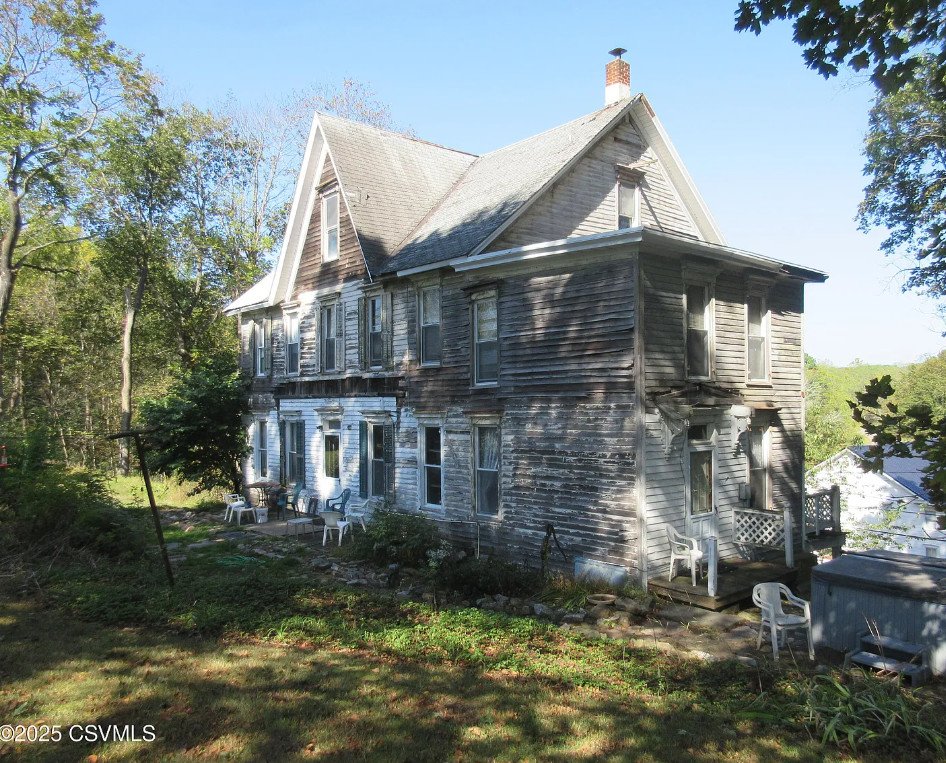
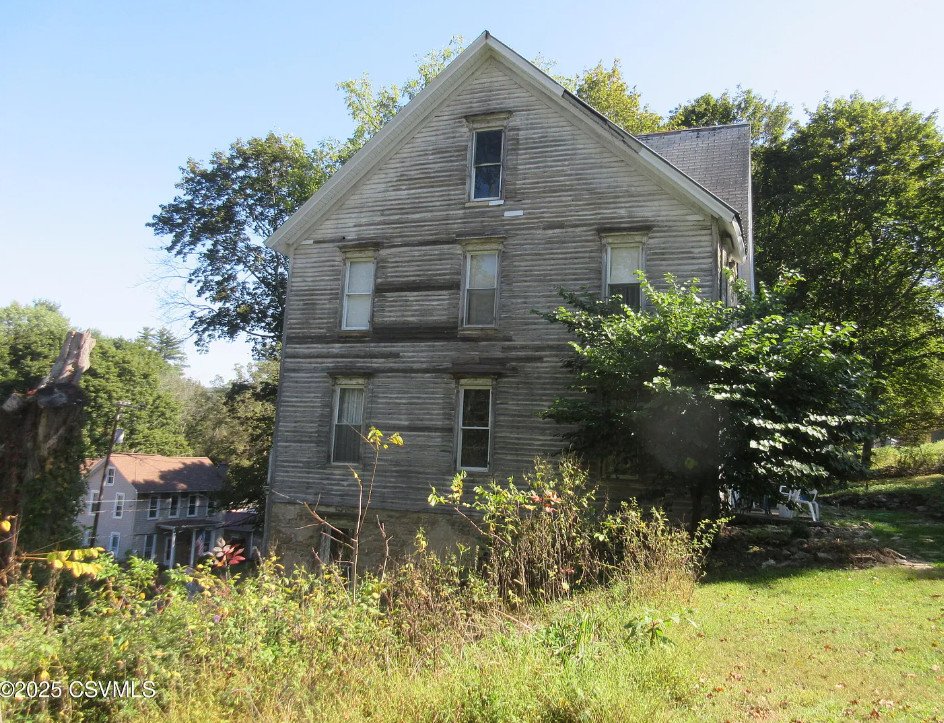
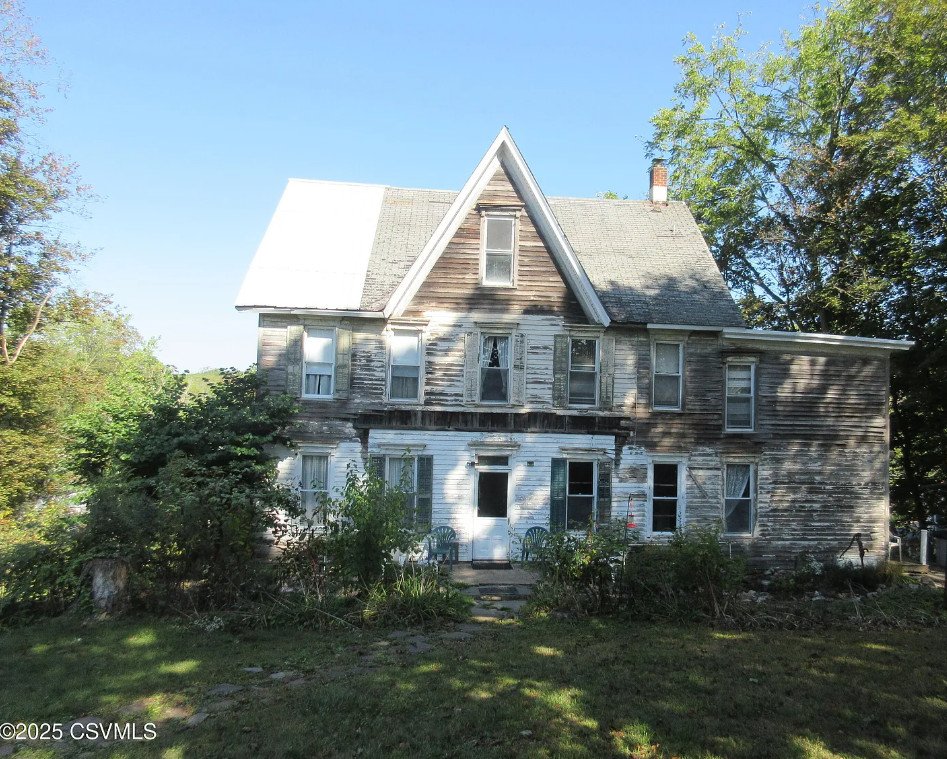
Tucked within the peaceful surroundings of Catawissa, Pennsylvania, stands a late-19th-century home known in earlier times as the Terrace House of the Village of Mill Grove. Resting on approximately 1.42 acres, this residence remains an evocative example of Victorian-era craftsmanship—an era when homes were built with both elegance and endurance in mind. Though the years have left their mark and the structure now awaits thoughtful restoration, the character and architectural charm embedded in every corner continue to shine through.
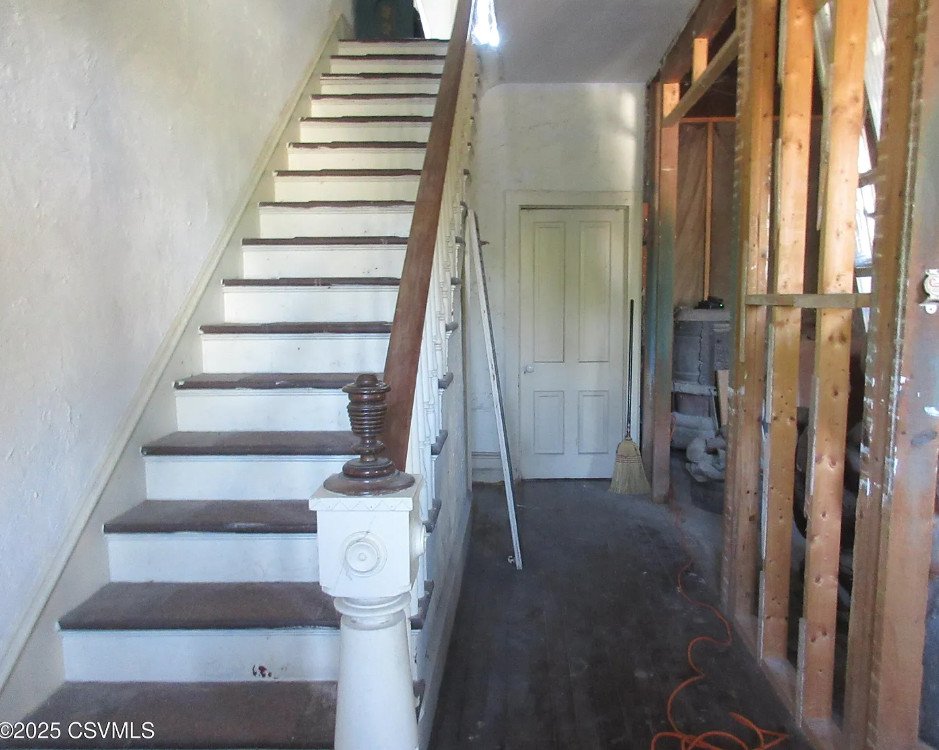
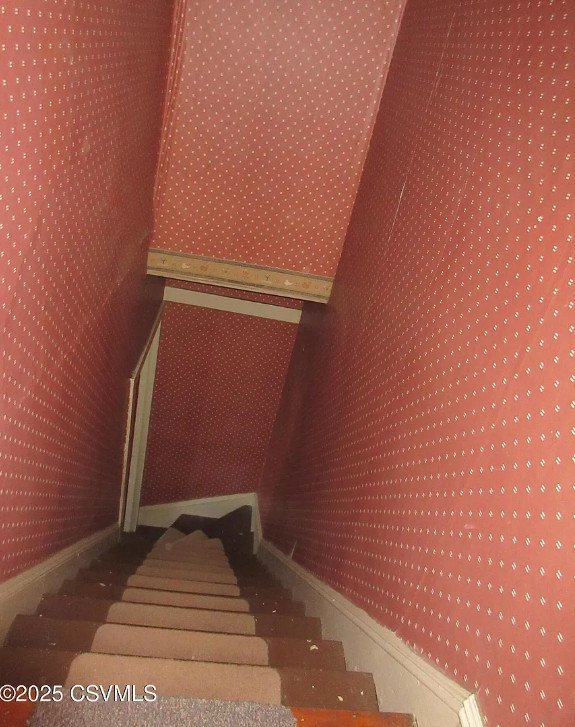
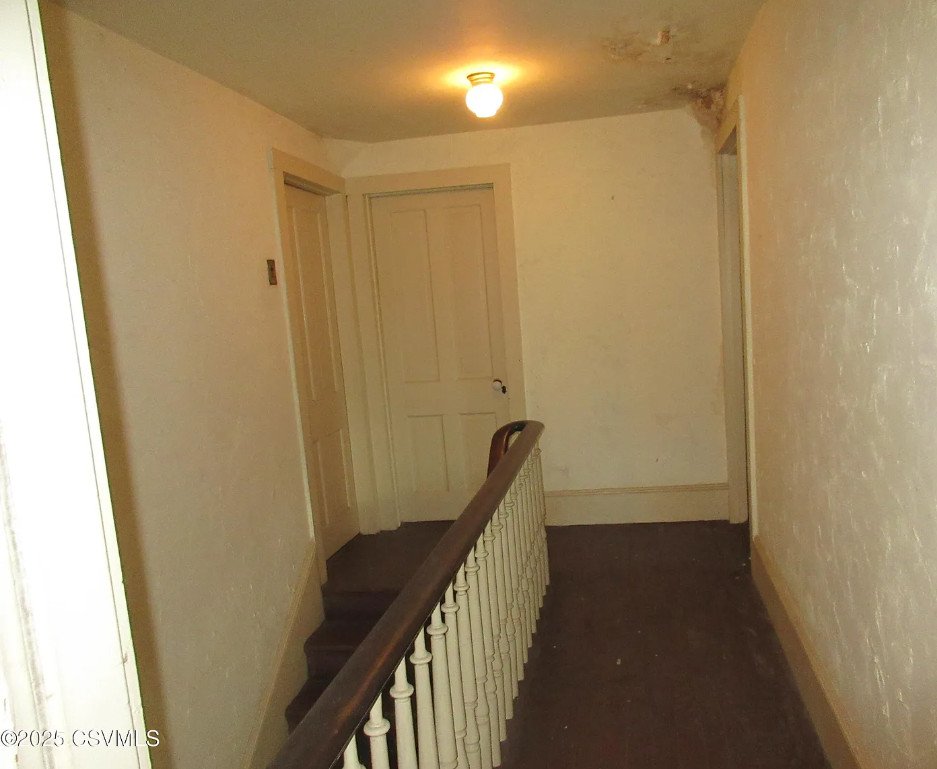
Originally constructed in the 1880s, the home spans three floors and contains around 2,808 square feet of interior space. The moment one steps inside, the eye is drawn immediately to the remarkable main staircase, an architectural centerpiece that rises through all three levels. Its generous width, graceful curve, and visible craftsmanship embody the artistic priorities of the period. Such staircases were once symbols of refined design, built to impress visitors and add a sense of drama to the home’s interior flow.
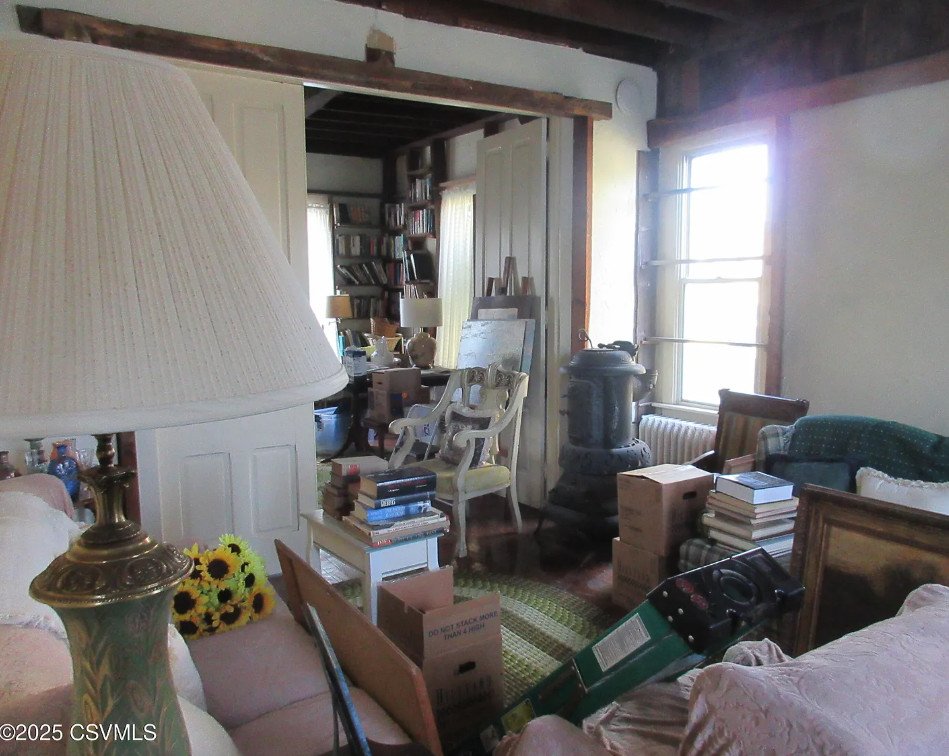
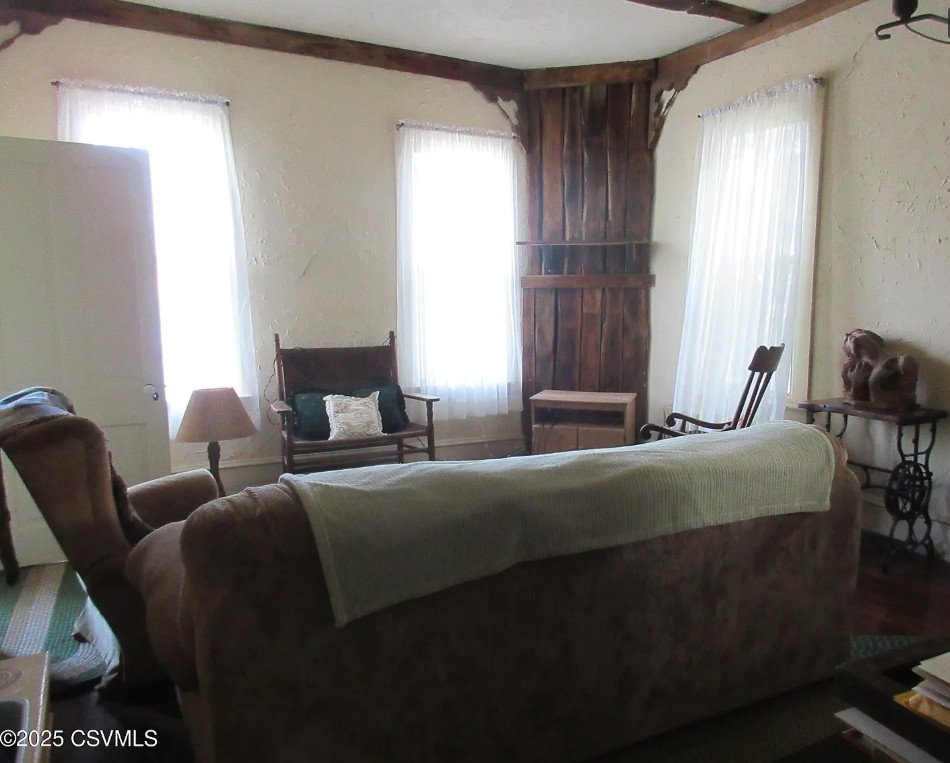
Just beyond the staircase lies a beautifully imagined library, fitted with original built-in shelving. This room, with its warm wooden tones and sense of quiet enclosure, feels like a pocket of timelessness. One can easily imagine shelves lined with books from many decades past, or perhaps a writing desk illuminated by the afternoon light filtering through the windows. Spaces like this are rare survivals of a century when personal libraries were essential household features, and their preservation today offers a meaningful connection to earlier domestic life.
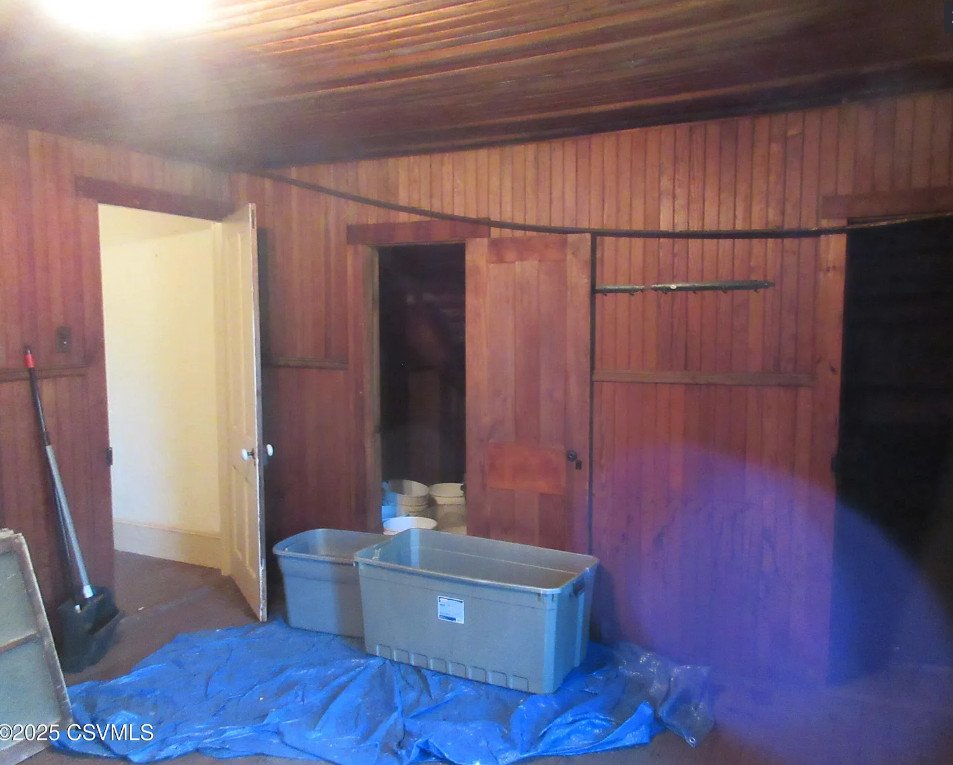
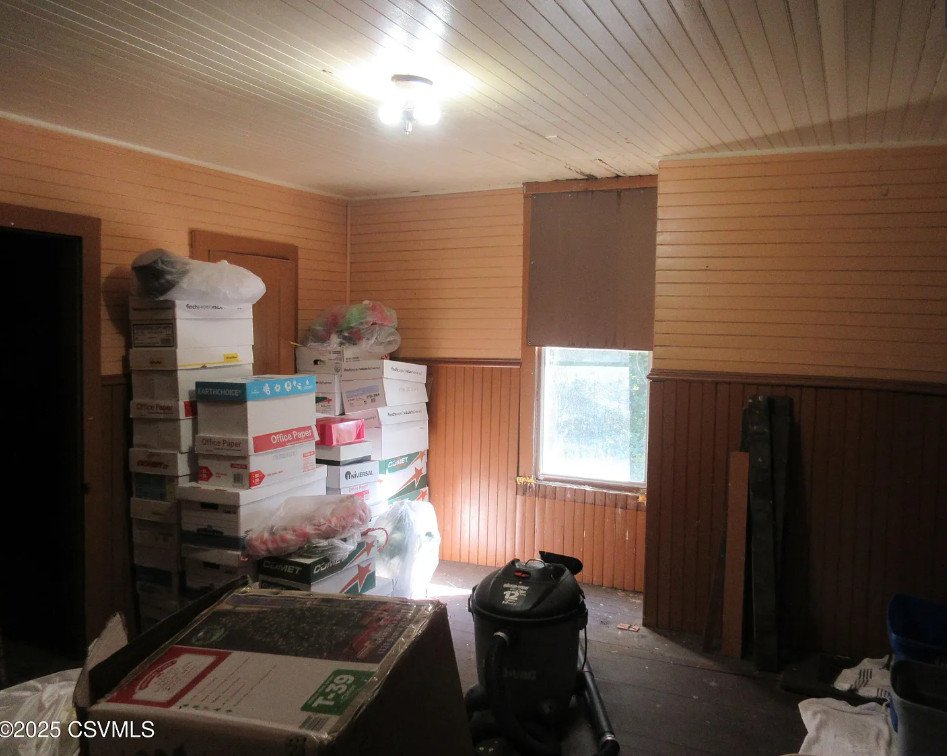
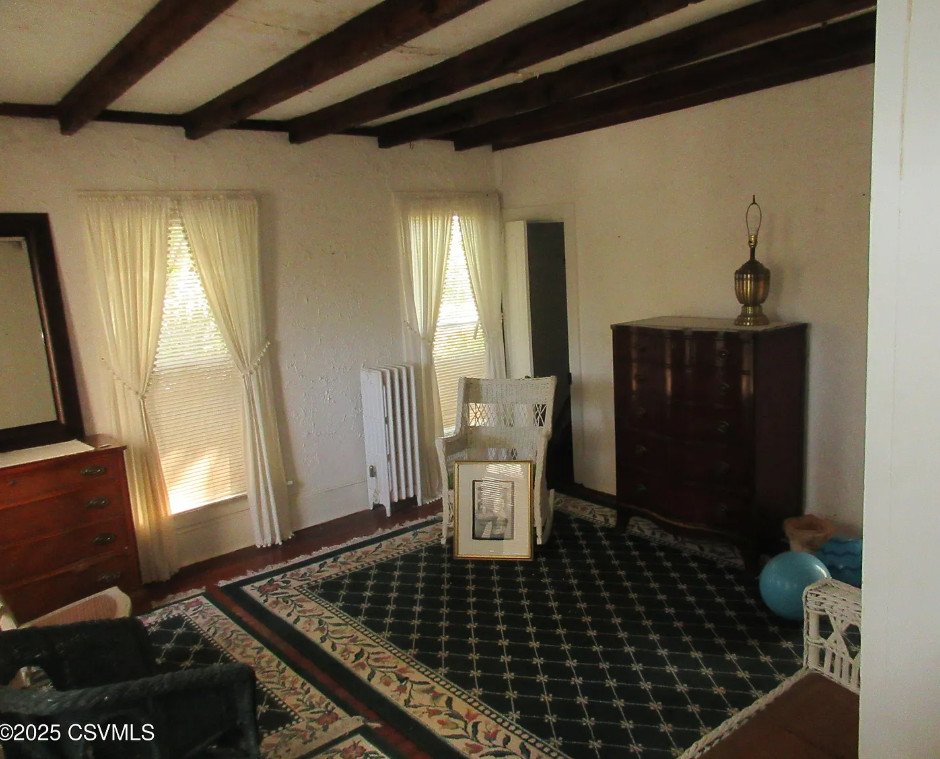
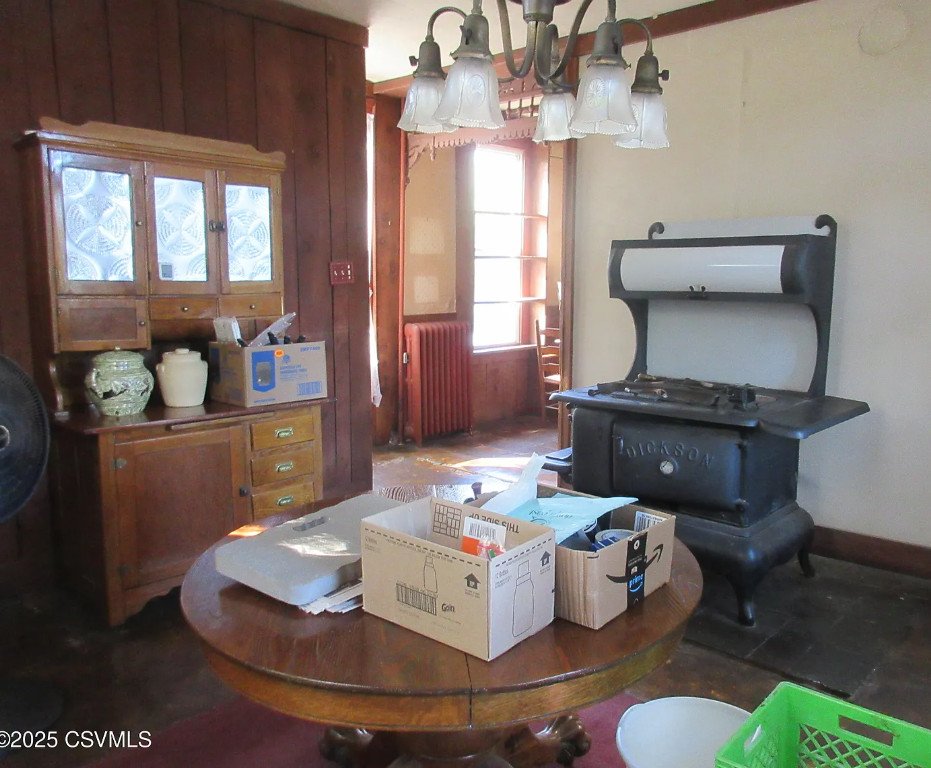
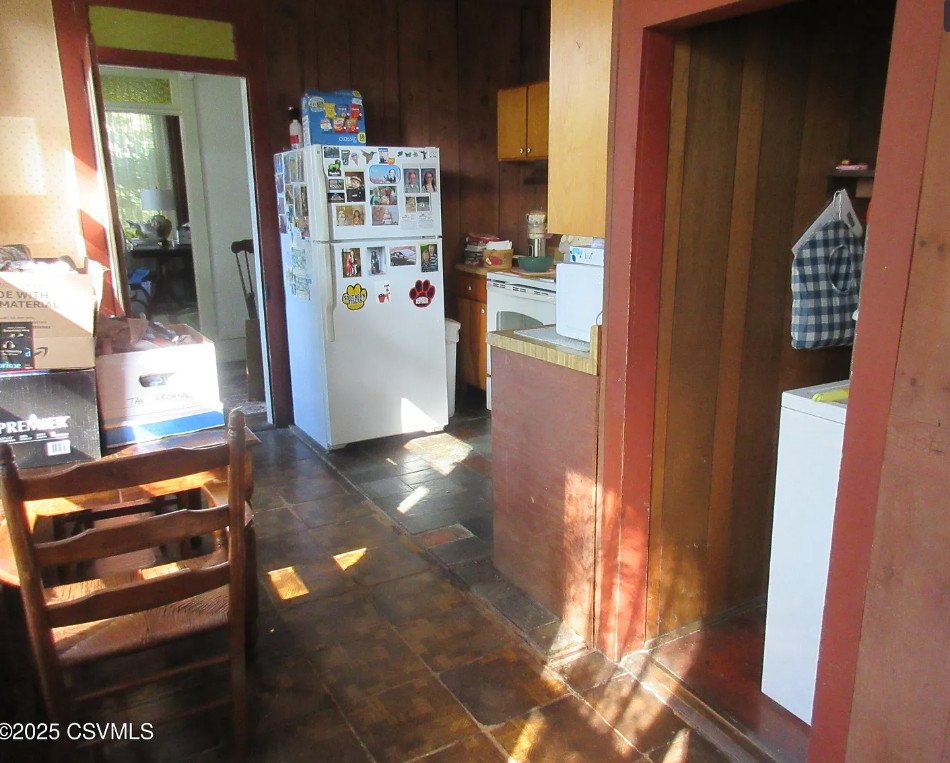
Throughout the home, wood floors, tall baseboards, and sections of classic wainscoting remain intact. Even more delightful is the survival of original interior fretwork—a decorative hallmark of Victorian architecture. Fretwork, often delicately cut from thin wood panels, was used to embellish hallways, archways, and transitions between rooms. In this home, the fretwork still stands as a testament to the artistry of the craftspeople who shaped the structure well over a century ago.
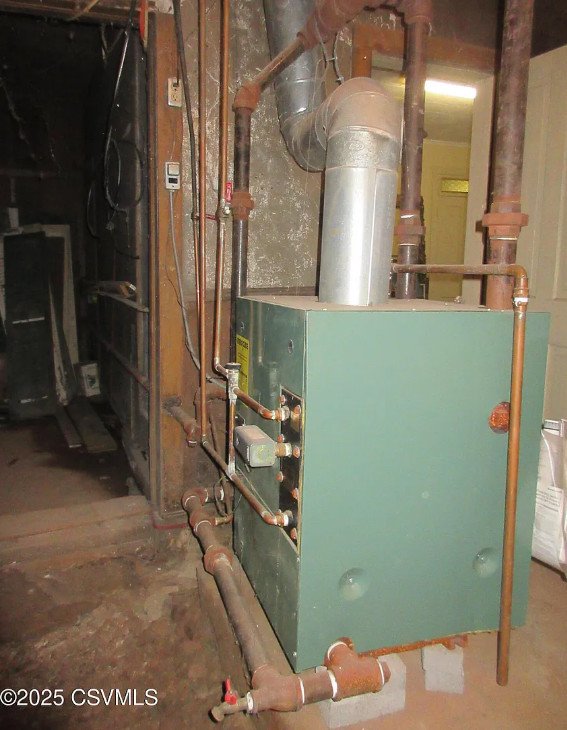
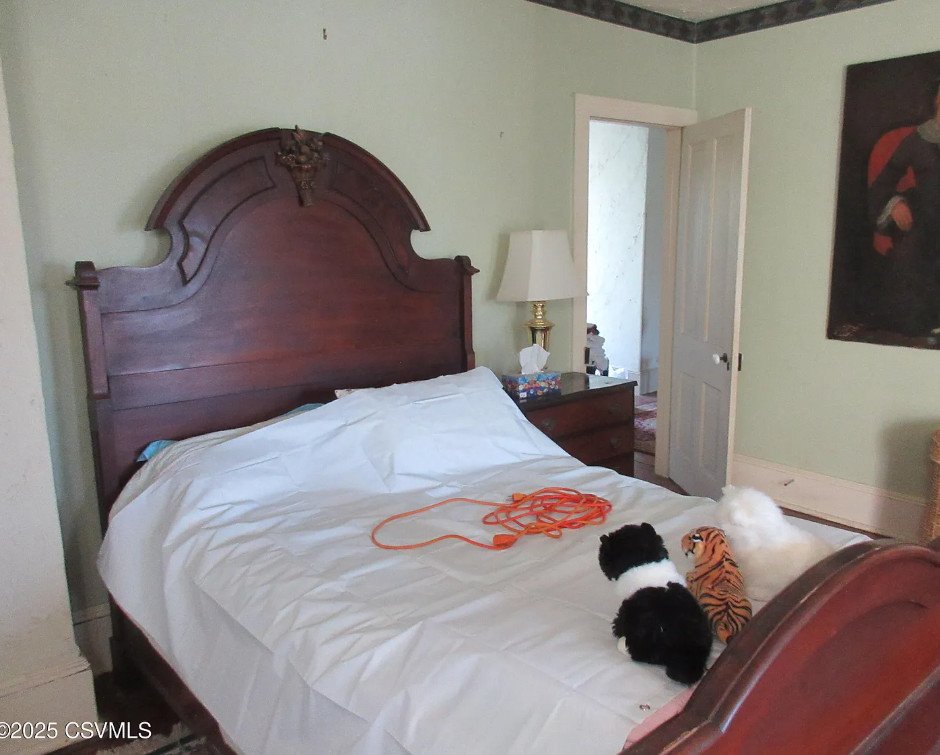
The residence contains four bedrooms and one bathroom, arranged across the two main floors. The third floor, while finished, requires updates and a proper heating system to be fully functional. Still, its existing layout offers a variety of future uses—private bedrooms, creative studios, reading rooms, or a spacious retreat tucked under the eaves. Beneath the home lies a vast basement, part of which remains underutilized and open for imaginative adaptation.
While the building has strong structural “bones,” the first major task for any preservation-minded individual would likely be the roof, which shows signs of age and calls for renewed attention. Once secured, the rest of the restoration can proceed with care and creativity, allowing the house’s many original features to shine again. Homes like this often invite a layered approach to restoration—honoring historical elements while making the space suitable for modern living.

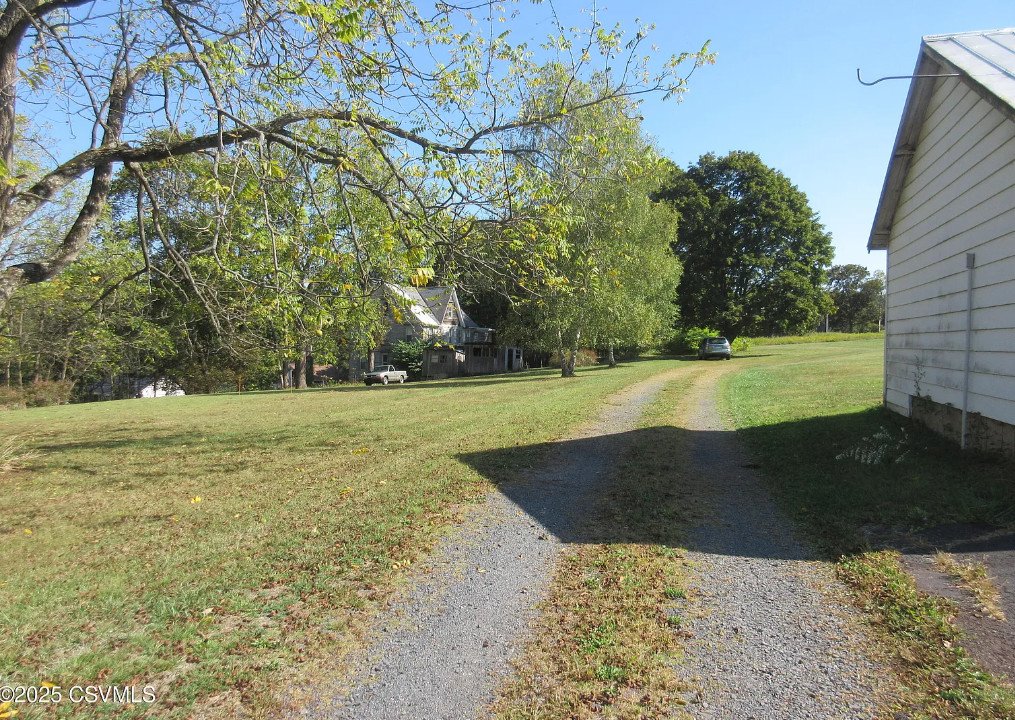
The property itself is another advantage, offering over an acre of land that gently slopes and stretches around the house. This amount of outdoor space provides opportunities for gardens, outdoor gatherings, walking paths, or simply enjoying the natural landscape that surrounds the historic home. Being positioned in a quiet area of Pennsylvania adds to its appeal, granting the sense of seclusion and calm that many older properties naturally provide.
What makes this residence especially compelling is its versatility. The structure’s size, layout, and multi-floor design present numerous possibilities. Some might envision it as a spacious single-family home, while others might imagine creating two distinct living units, each with its own charm. The setting could also inspire the idea of a retreat-style dwelling, a creative haven, or a small hospitality concept. The home’s past suggests dignity and purpose, but its future remains a canvas open to interpretation.
Above all, the Terrace House stands today as a piece of living history. Though time has weathered it, the heart of the home—its craftsmanship, its atmosphere, and its Victorian spirit—remains resilient. With the right vision and care, this remarkable 1880s residence in Catawissa has the potential to once again become a warm, vibrant place filled with life, stories, and beauty for generations to come.