Price Unknown! 1898: A Stately Red Brick Victorian Mansion
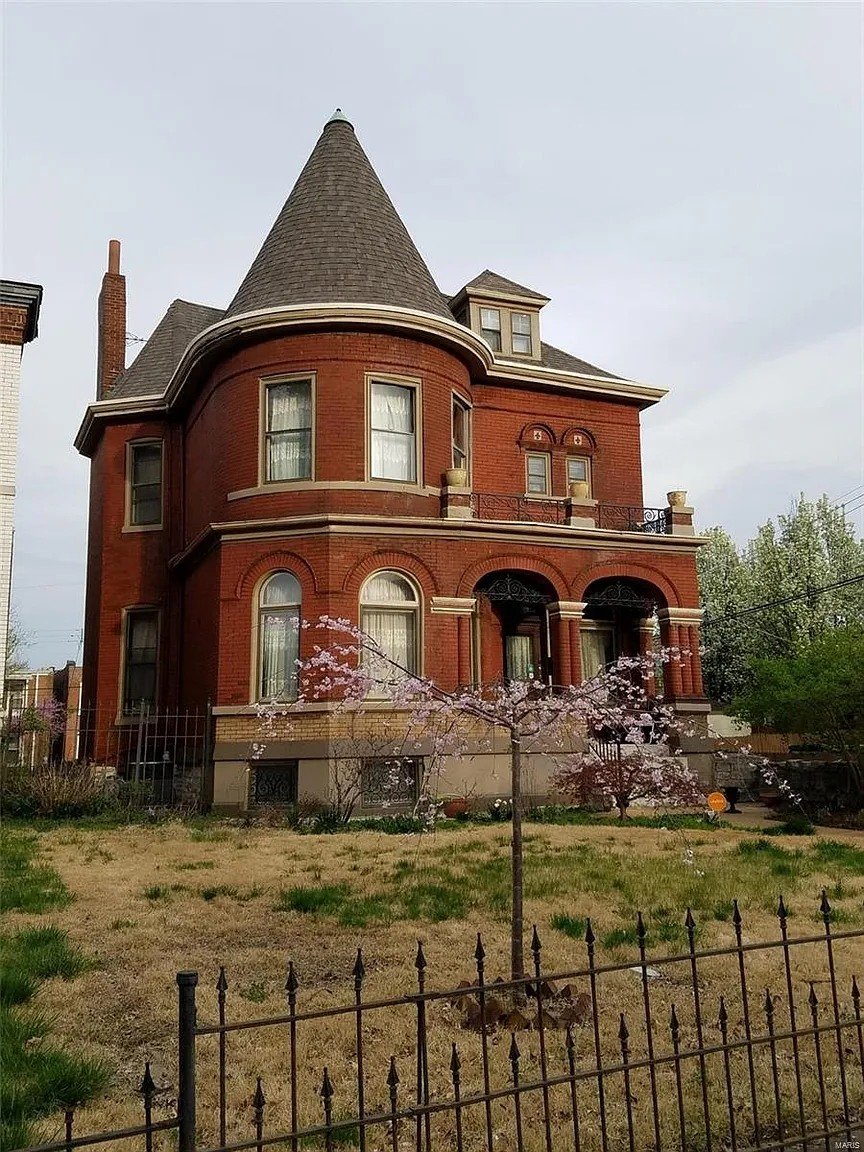
Built in 1898, this grand Victorian residence stands as a powerful expression of late nineteenth-century architectural ambition. Rising with confidence and ornamental flourish, the home captures an era when craftsmanship, artistry, and prestige were woven into every brick, window, and curve. Its bold red brick exterior, crowned by an imposing conical turret, creates a commanding visual presence—one that speaks to the cultural optimism and aesthetic sophistication of the Victorian age.
The most striking feature of the home is its turret, a hallmark of high-style Victorian design. Soaring above the main structure, the rounded tower lends the residence a regal silhouette reminiscent of European castles and romantic revival architecture. In its original conception, such turrets served both symbolic and practical purposes.
They conveyed status, wealth, and refinement, while also offering elevated vantage points for observation, contemplation, or leisurely retreat. From its upper levels, the turret would have provided panoramic views of the surrounding neighborhood, reinforcing the sense that this home was designed not merely to shelter, but to inspire.
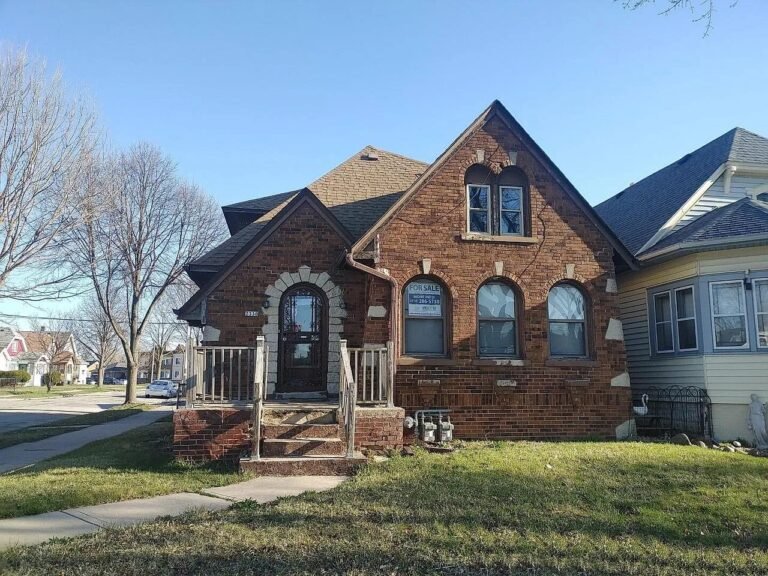
Victorian architecture often embraced drama and complexity, and this home exemplifies that spirit through its intricate façade. Gracefully arched windows punctuate the front elevation, their curved forms softening the geometry of the brickwork and lending the structure a sense of rhythm and movement.
These arches are framed with carefully detailed masonry and ornamental stone trim, highlighting the era’s dedication to decorative craftsmanship. Beyond their beauty, the arches contribute to structural stability, demonstrating how form and function were seamlessly intertwined in historic design.
The entryway itself serves as a theatrical introduction to the home. Supported by elegant brick columns, the front porch creates a transition between public and private space—a hallmark of Victorian domestic architecture. Porches during this period were social stages, places where residents greeted neighbors, enjoyed evening breezes, and displayed hospitality. Above this entrance, a delicate wrought-iron balcony adds a romantic and picturesque element, offering an intimate outdoor perch that enhances both the home’s charm and its vertical emphasis.
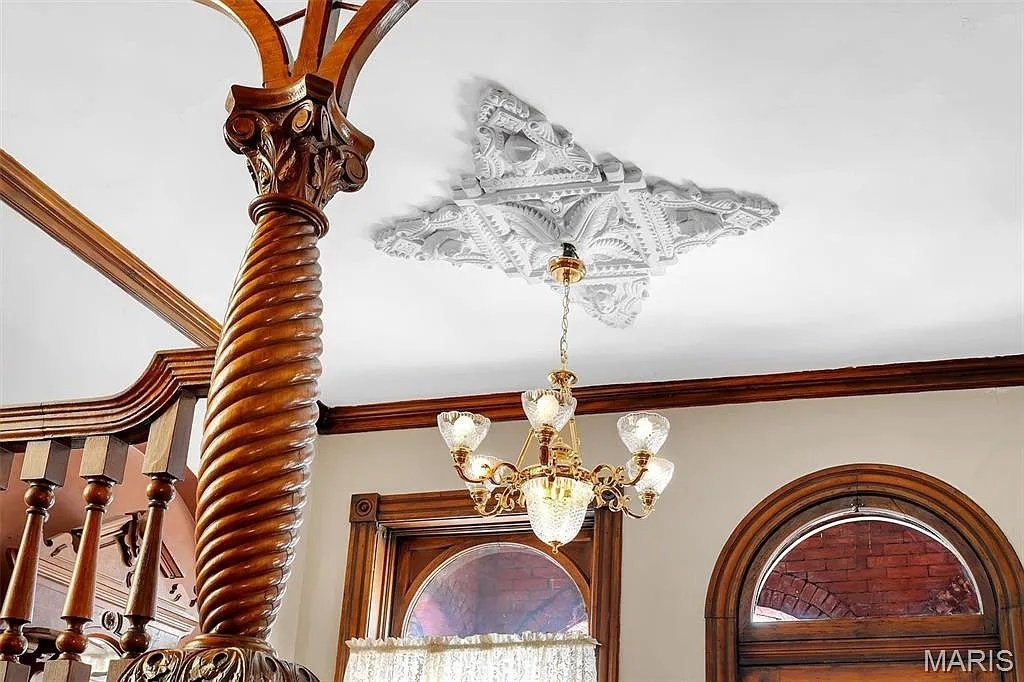
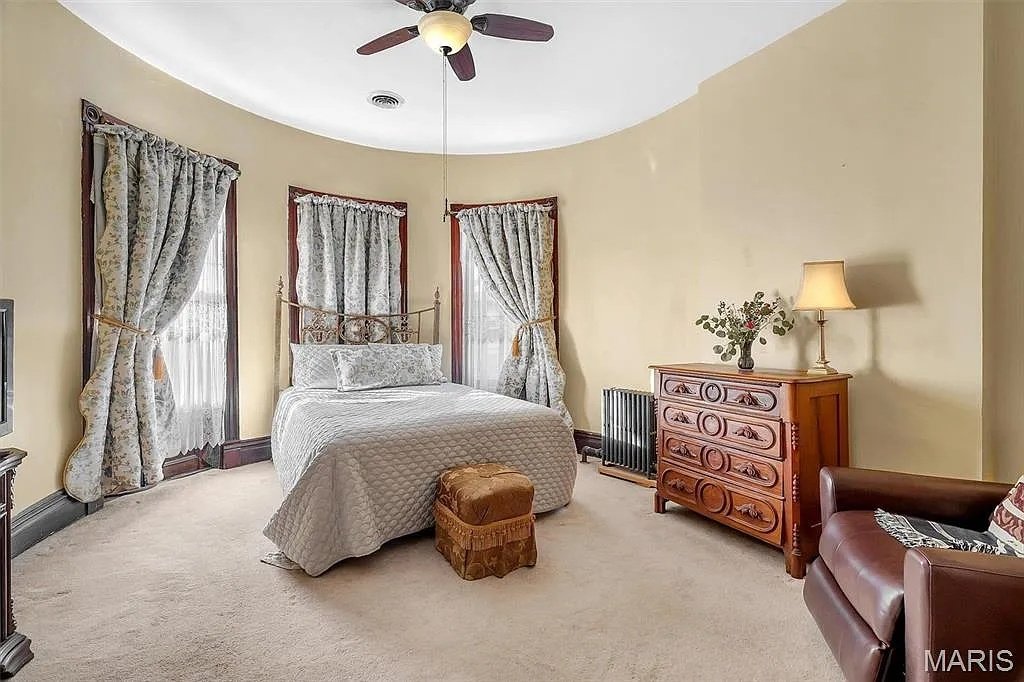
The windows deserve special attention, as they reflect both the technological advances and aesthetic priorities of the late nineteenth century. Many retain their curved frames and original glass, subtly distorting light and casting soft, shimmering reflections across interior spaces. These windows flood the rooms with natural illumination while preserving the character and authenticity that modern replacements rarely replicate. Their proportions and placement contribute to the home’s balanced façade, reinforcing the Victorian preference for layered visual interest.
Above, the steep, multi-gabled roofline completes the home’s dramatic profile. Gables rise and intersect at varying angles, creating a lively skyline that adds complexity and depth to the structure. Beyond their decorative appeal, these steep pitches were practical, shedding rain and snow efficiently while protecting the masonry below. The roof’s interplay of lines and planes is a reminder that Victorian architecture often embraced complexity as a form of beauty.
Encircling the property, an iron fence provides both a boundary and a statement. Decorative yet durable, the fence enhances the home’s stately character while evoking the craftsmanship of a bygone era. Within its perimeter, mature trees and flowering plantings soften the structure’s bold lines, framing it in seasonal color and reinforcing the sense that this is a long-established and cherished residence. Over time, these natural elements have grown alongside the home, becoming part of its evolving story.
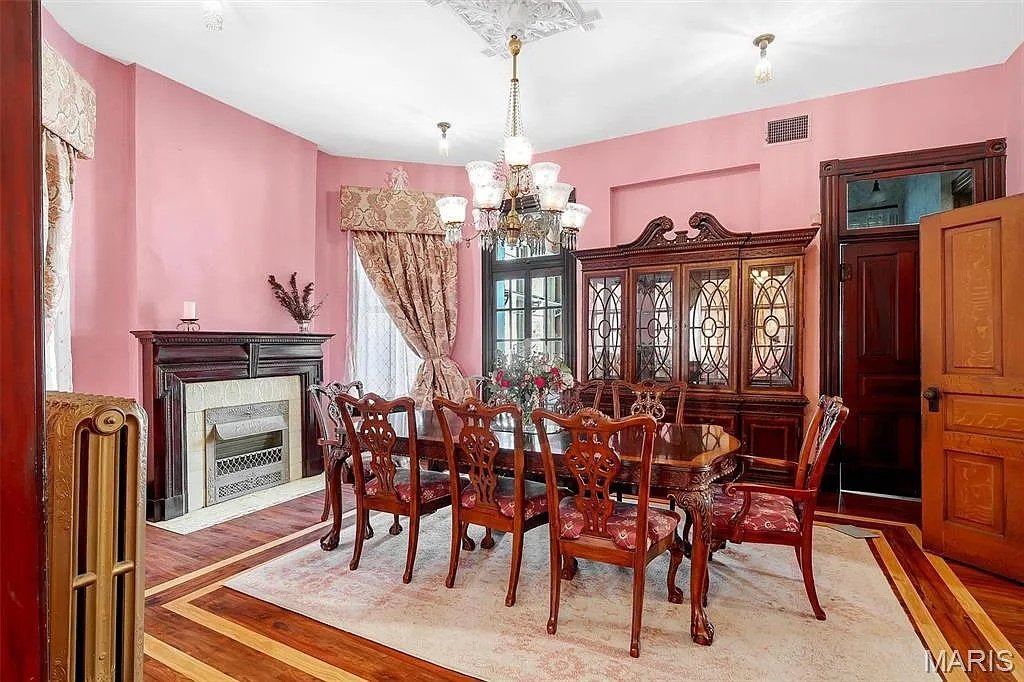
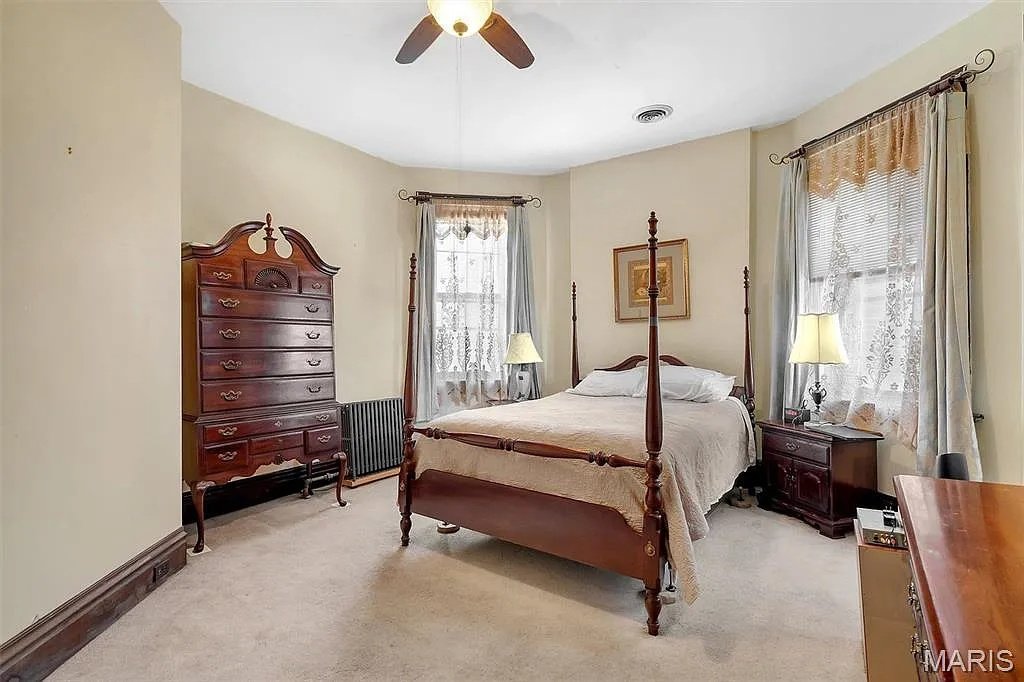
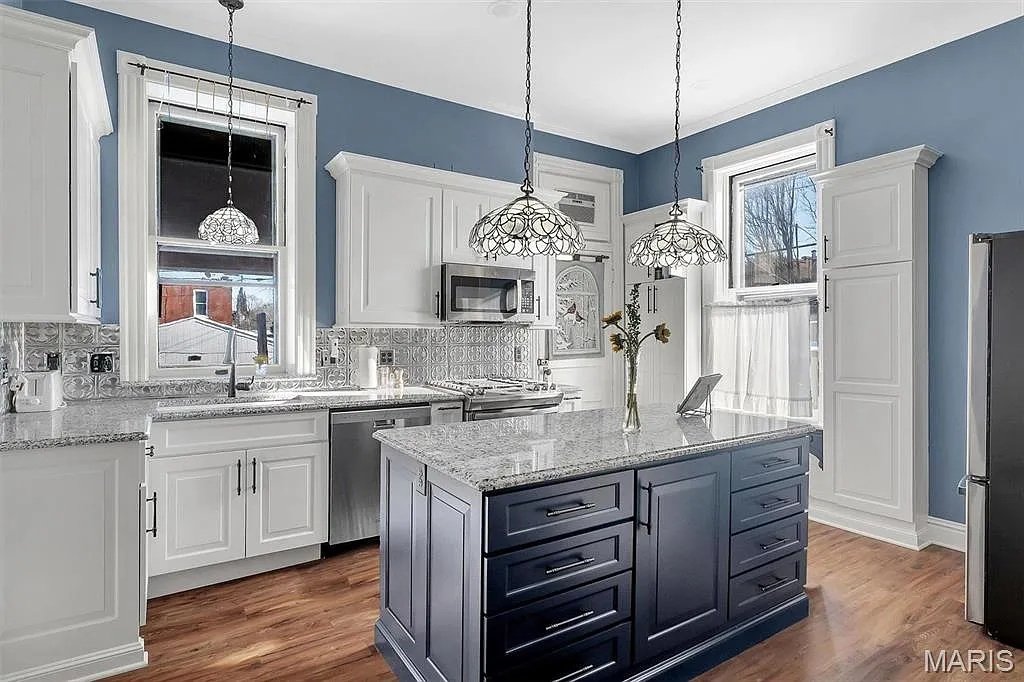
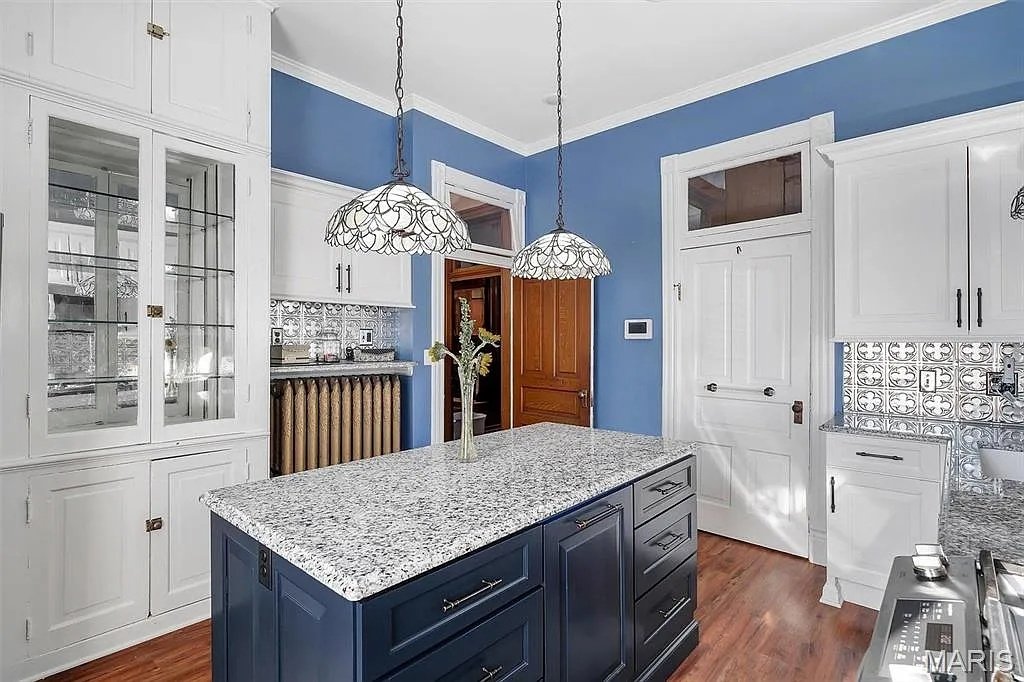
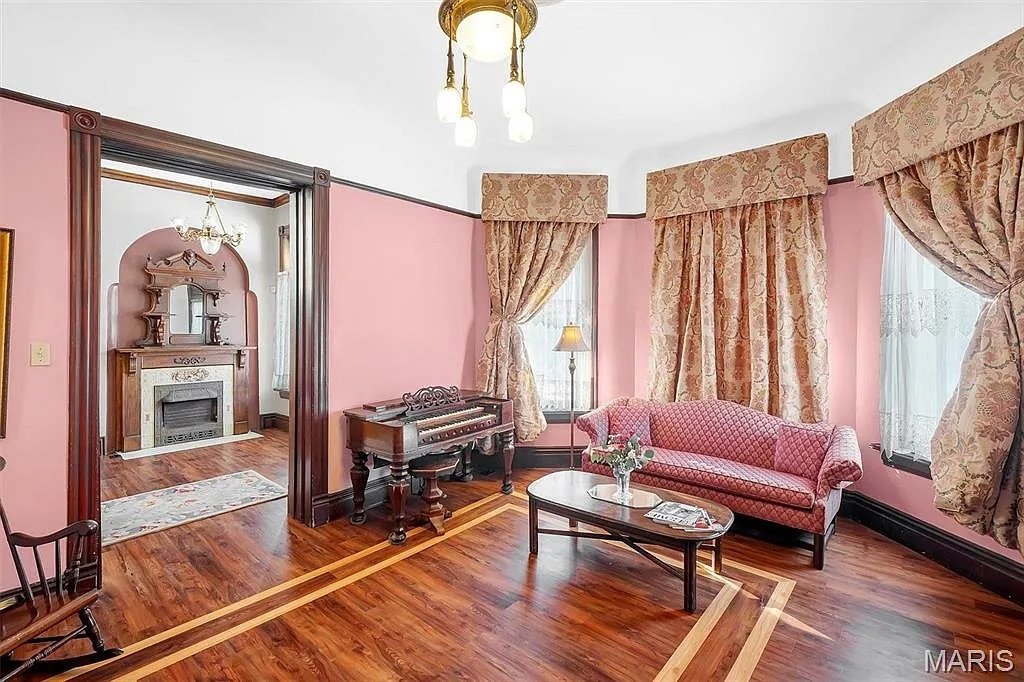
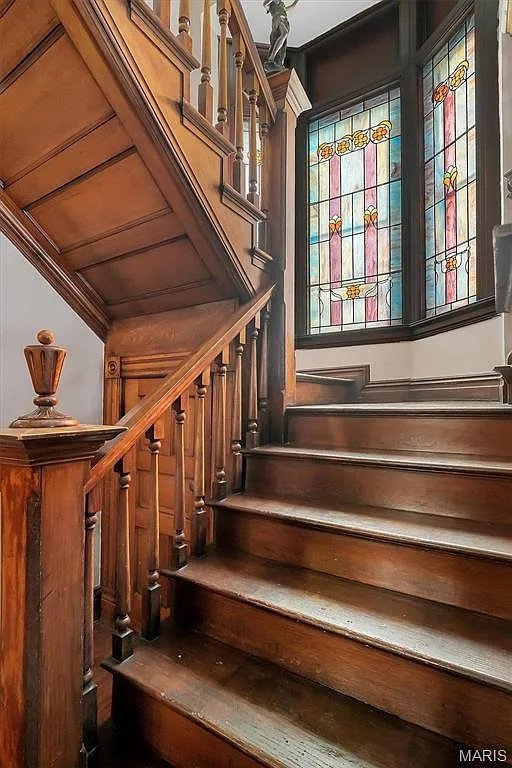
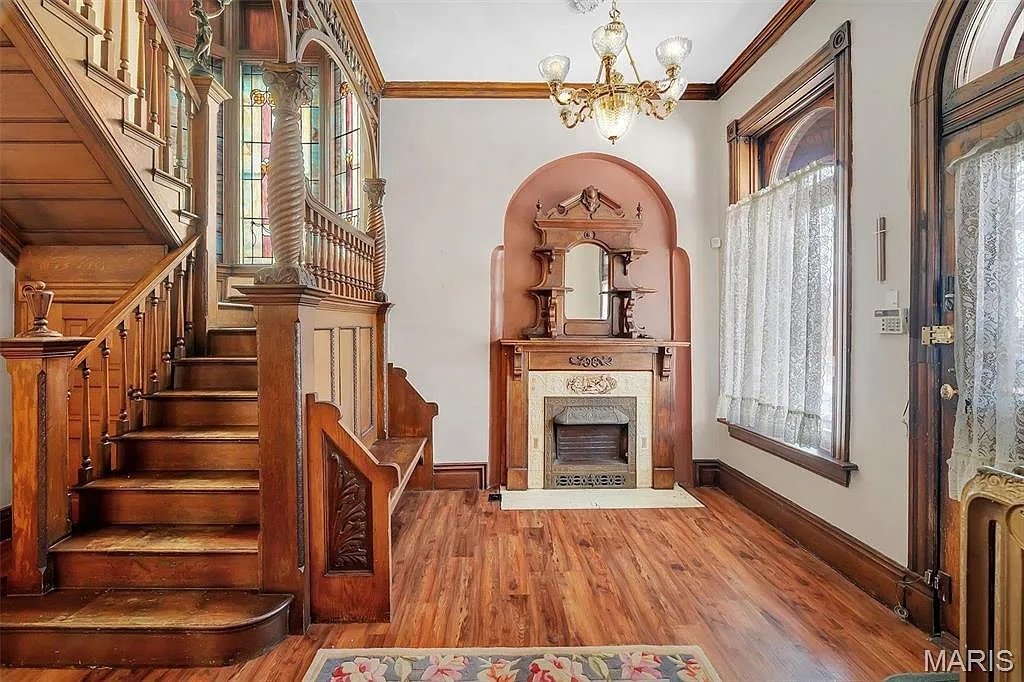
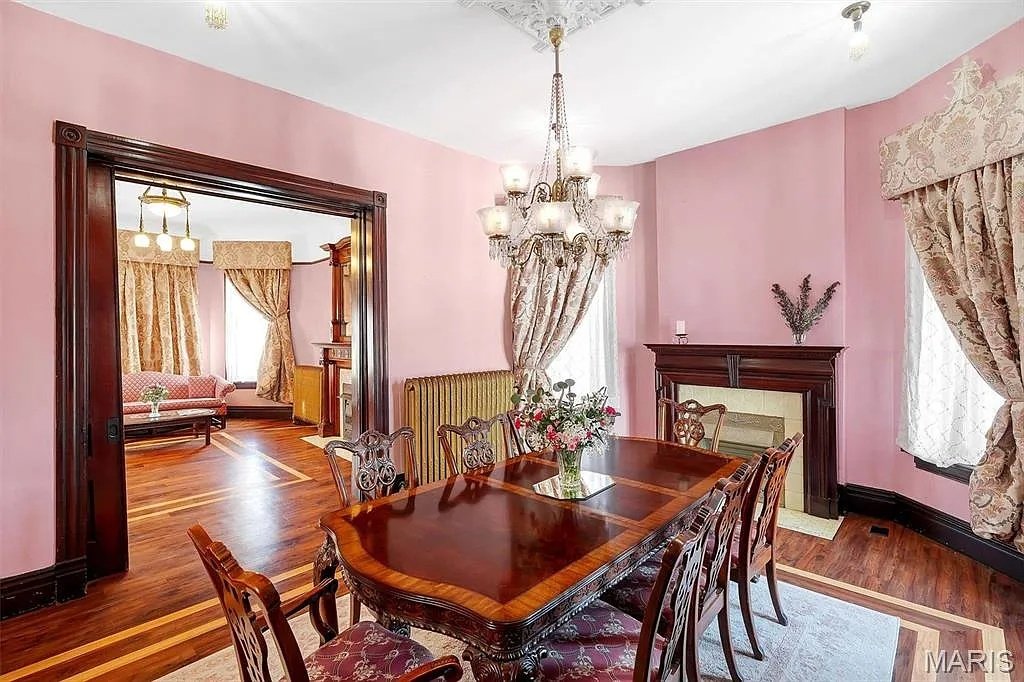
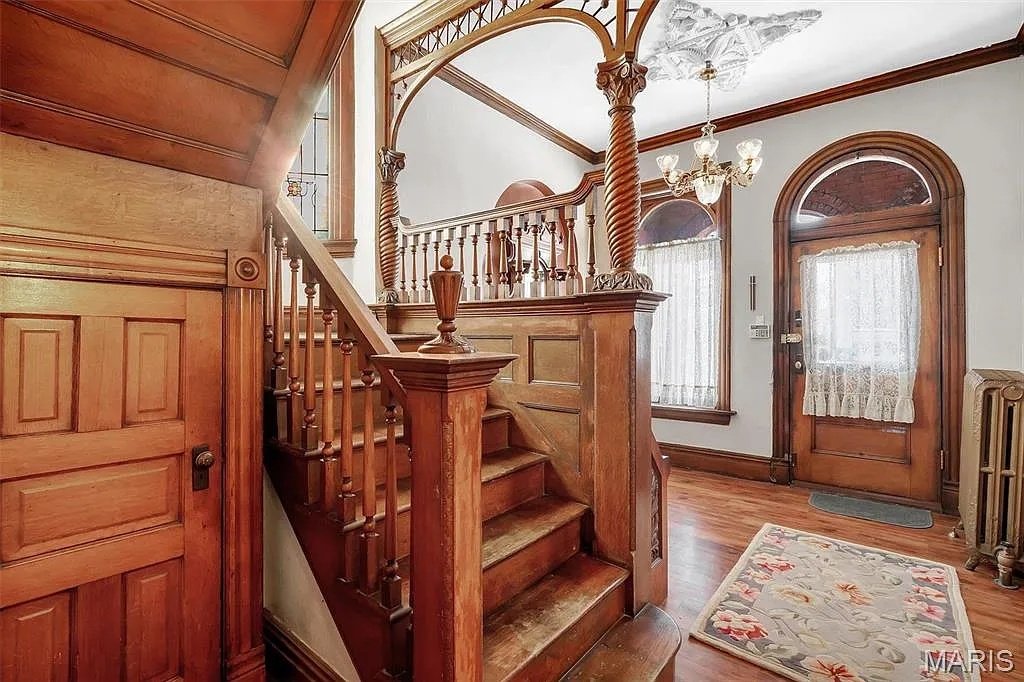
Yet the true richness of this property lies not only in its exterior, but in the history it represents. Homes of this stature were often designed to reflect the aspirations and identity of their original owners—individuals who sought permanence, prestige, and refinement in the spaces they inhabited. Within its walls, generations may have celebrated milestones, hosted gatherings, endured hardships, and shaped community life. Every corridor, staircase, and window holds echoes of lived experience, making the home a vessel of memory as much as a work of architecture.
Victorian houses like this one occupy a special place in architectural history. They mark a period when industrial innovation allowed for mass-produced ornament, yet skilled artisans still played a central role in shaping decorative detail. The result was a style that balanced exuberance with craftsmanship—a celebration of texture, pattern, and individuality that continues to captivate admirers more than a century later.
Today, this 1898 mansion stands as a neighborhood treasure, admired for its commanding presence and enduring grace. While time has inevitably left its mark, the home remains a proud testament to the vision and artistry of its era. Its turret still rises with quiet authority, its arches still frame the play of light, and its brickwork still speaks of patient, meticulous construction.
More than simply a historic structure, this Victorian landmark represents continuity—linking past and present through architecture that refuses to fade into obscurity. Whether appreciated for its historical significance, its ornamental mastery, or its sheer romantic allure, the home remains a true gem of late nineteenth-century design. It endures as a reminder that great architecture is not merely built—it is remembered, cherished, and allowed to tell its story across generations.