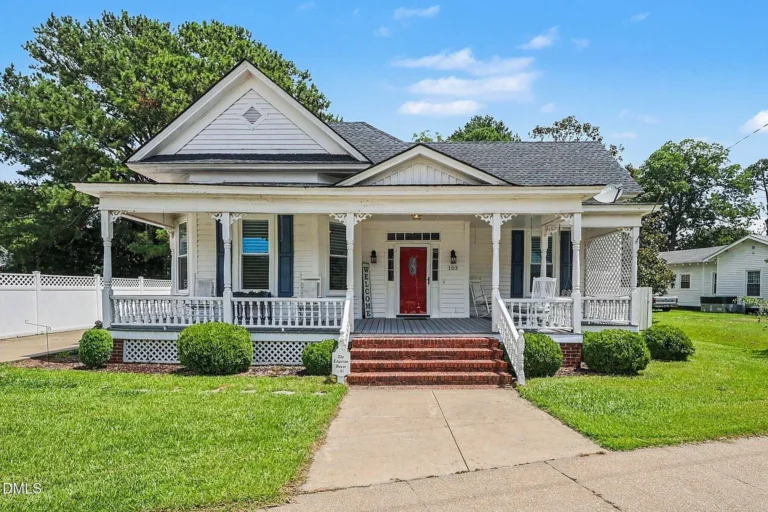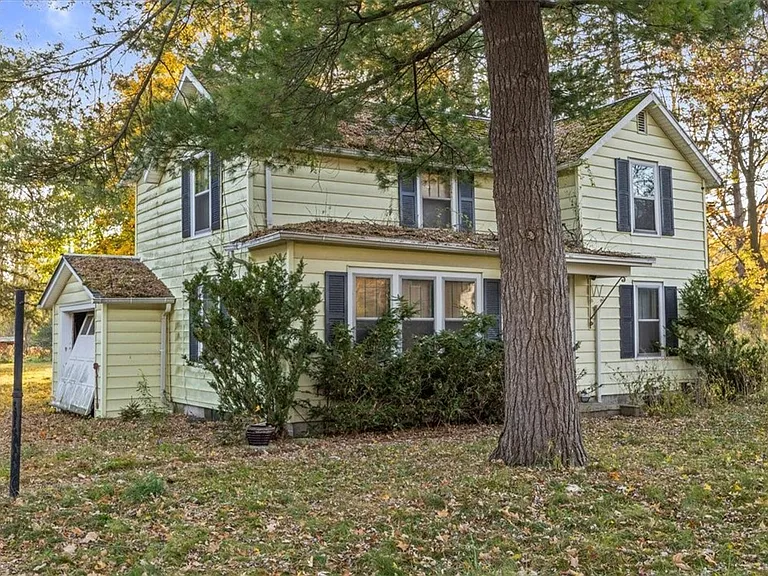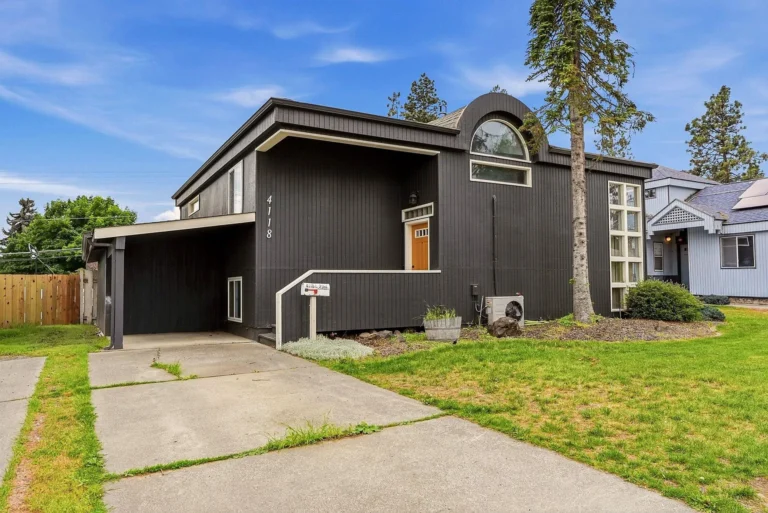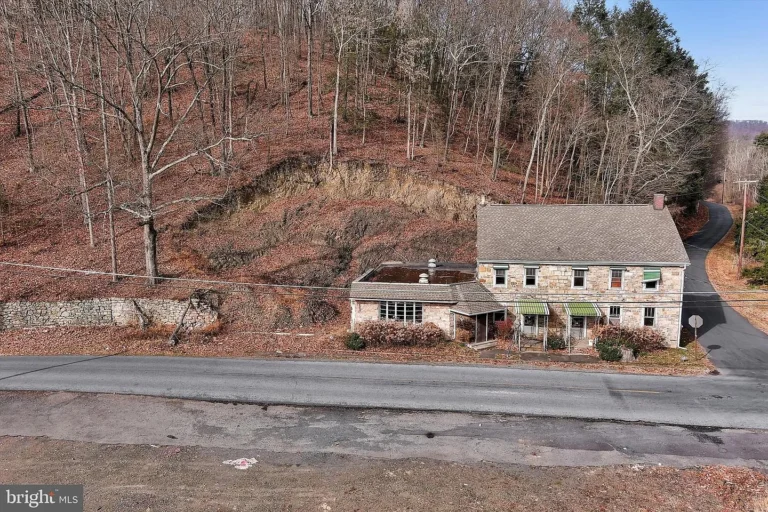
A Storied Southern Treasure: The Historic McDermott House of Vicksburg – $160,000
A Storied Southern Treasure: The Historic McDermott House of Vicksburg
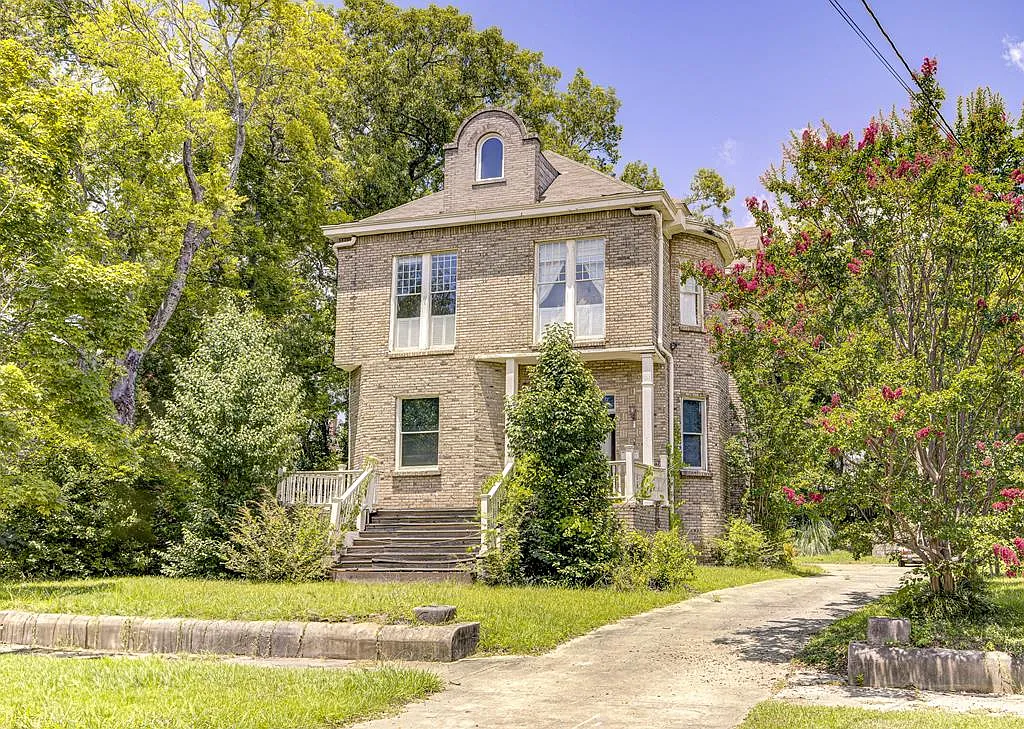
Rising with quiet dignity along South Street in Vicksburg, Mississippi, the McDermott House stands as a compelling reminder of a bygone era—one where craftsmanship, artistry, and architectural ambition were woven seamlessly into everyday living.
Dating to the early years of the 20th century, this remarkable residence embodies the spirit of innovation and elegance that defined its time, offering a rare glimpse into the layered history of Southern domestic architecture.
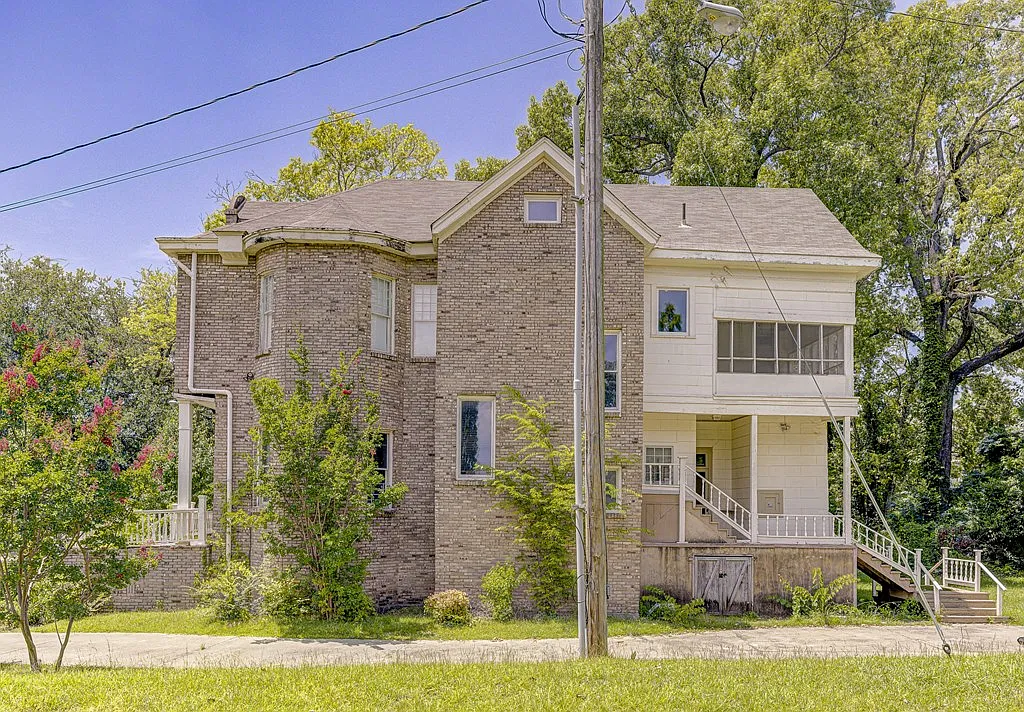
Constructed around 1905 and later relocated to its present site, the home reflects a fascinating blend of influences, most notably the Mission style, which was gaining popularity in the United States during that period. The Mission style, inspired by the Spanish missions of California, is characterized by its simplicity, stucco finishes, and emphasis on horizontal lines.
Yet, what makes the McDermott House particularly special is how it does not confine itself to a single design philosophy. Instead, it embraces a sense of architectural eclecticism—combining elements from different styles to create a residence that feels both cohesive and richly expressive.
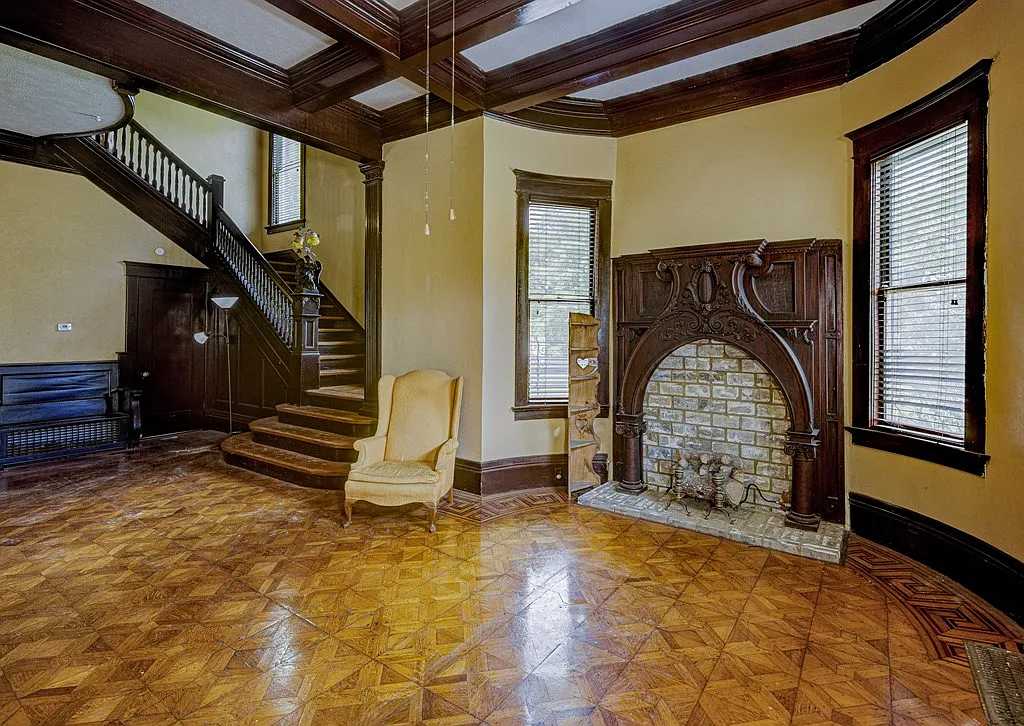
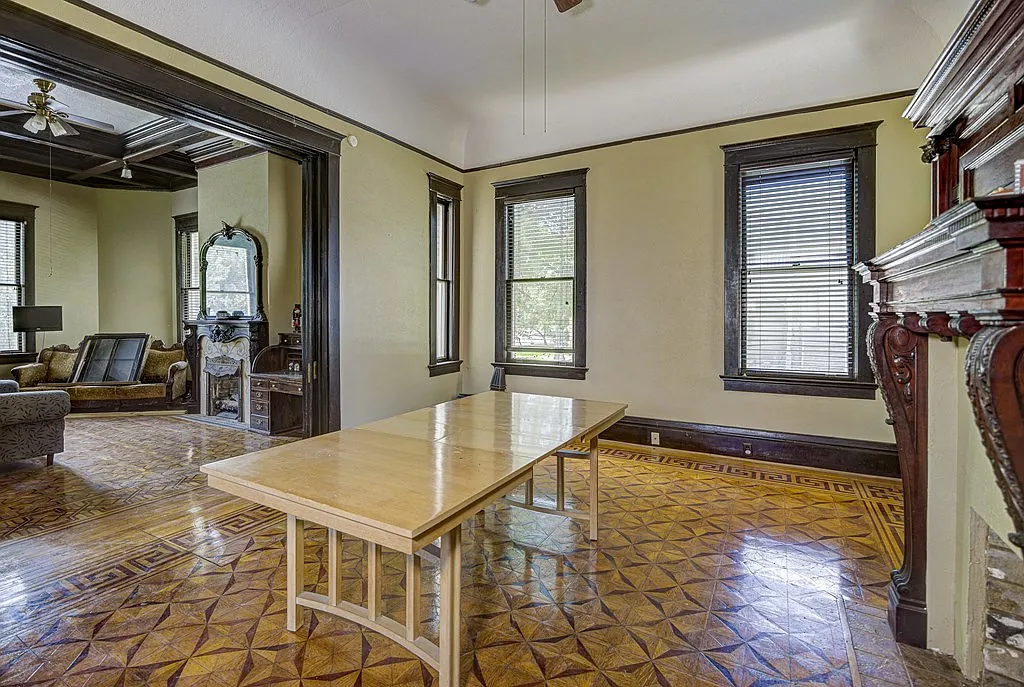
From the moment one steps inside, the home reveals its true character. The interiors are defined by exquisite craftsmanship, beginning with the parquetry floors that stretch across the living spaces.
These intricately arranged wood patterns are not only visually striking but also a testament to the level of detail and care that went into the home’s construction. Each step across these floors echoes a tradition of artistry that is increasingly rare in modern building practices.
Equally impressive are the home’s eight fireplaces, each adorned with its own distinct mantel design. These fireplaces serve as focal points in their respective rooms, offering both warmth and a sense of individuality.
Rather than repeating a single motif, the mantels vary in style and ornamentation, suggesting that each space within the home was given its own identity. This thoughtful approach to design elevates the residence beyond mere functionality, transforming it into a living gallery of early 20th-century decorative arts.
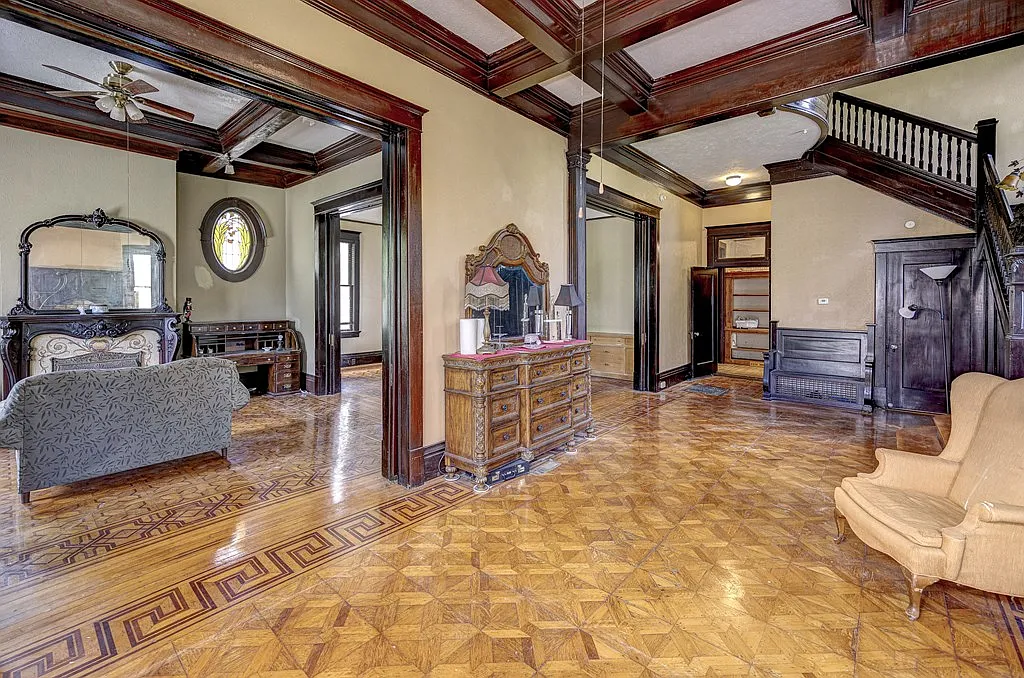
The sense of grandeur continues upward, as soaring ceilings create an atmosphere of openness and light. In key areas such as the foyer, hallway, and front parlor, coffered ceilings add an additional layer of architectural interest.
These recessed panels not only enhance the visual depth of the rooms but also reflect the era’s fascination with geometric precision and structural beauty. The interplay of light and shadow across these ceilings brings a dynamic quality to the interior, changing subtly throughout the day.
Among the home’s most captivating features is its Art Nouveau stained glass window. This artistic element introduces a touch of fluidity and organic form, contrasting beautifully with the more structured aspects of the house.
The window’s intricate design and vibrant colors create a focal point that draws the eye and invites contemplation. It stands as a reminder of a time when even the smallest details were approached with creativity and intention.
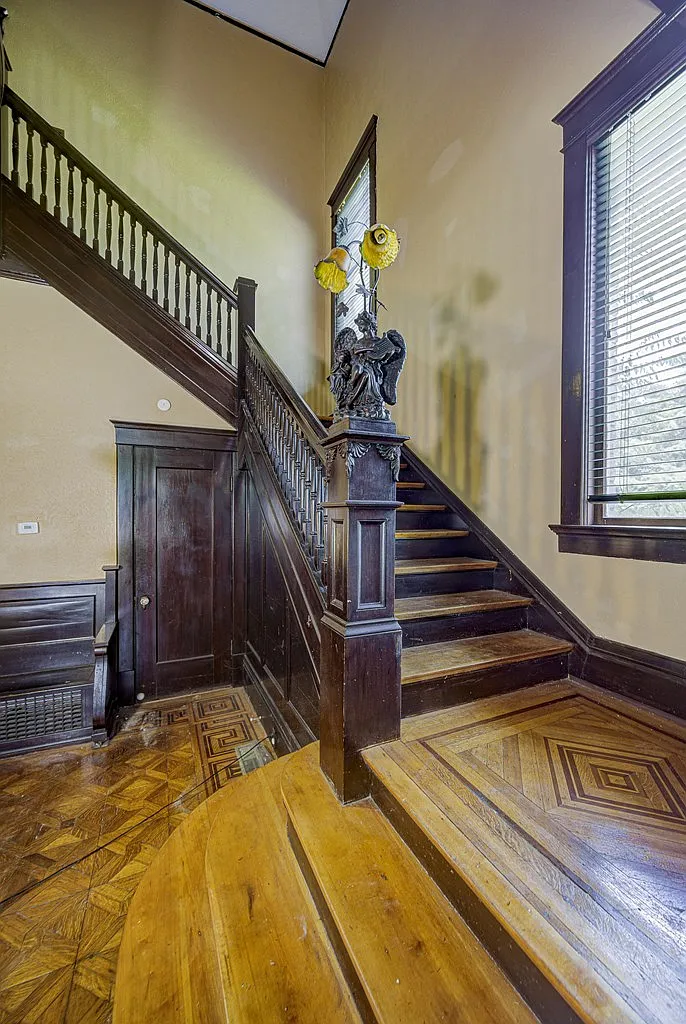
Functionality is seamlessly integrated into the home’s design through features such as wood pocket doors, which allow for flexible use of space while maintaining an elegant aesthetic. These doors, along with the grand staircase, contribute to the home’s sense of movement and flow.
The staircase itself is a centerpiece, its craftsmanship and scale reinforcing the overall impression of refinement and permanence.
The main level of the residence is both welcoming and practical. A formal dining room provides an ideal setting for gatherings, where the historic ambiance enhances every occasion. Nearby, the updated kitchen introduces modern convenience without overshadowing the home’s original character.
Granite countertops and stainless appliances blend subtly into the space, ensuring that contemporary needs are met while preserving the integrity of the historic design. A small home office and a half bath complete the first floor, offering additional versatility for modern living.
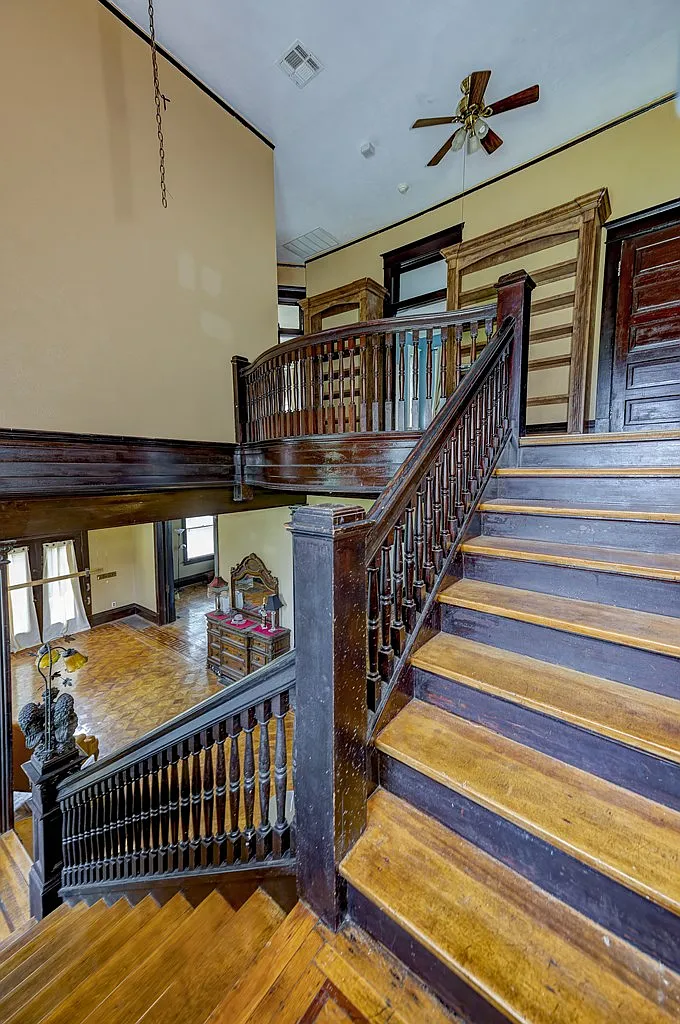
Upstairs, the private quarters continue the theme of thoughtful design. Three bedrooms and two full baths provide comfortable accommodations, while a flexible room connected to the primary suite opens up a range of possibilities.
Whether envisioned as a quiet sitting room, a dressing area, or an expanded closet, this space reflects the adaptability that has allowed the home to remain relevant across generations.
The third floor adds yet another dimension to the property. Here, an additional bedroom and a split bath create opportunities for guest accommodations or creative use. The large attic storage area further enhances the home’s practicality, offering ample space for preservation and organization.
This upper level, often overlooked in many homes, becomes an integral part of the overall experience, contributing to the sense of scale and possibility.
Beyond its physical attributes, the McDermott House carries with it an intangible sense of history. As a property recognized on the Historical Register, it represents not only architectural significance but also a connection to the cultural fabric of Vicksburg.
Homes like this are more than structures; they are storytellers, preserving the narratives of those who lived within their walls and the community that surrounded them.
Today, the house stands as a canvas for vision and restoration. Its existing features provide a strong foundation, while its historic character invites careful stewardship. For those with an appreciation for heritage and design, it offers a chance to engage directly with the past—to honor it, enhance it, and ensure its continuity into the future.
In an age where uniformity often defines residential construction, the McDermott House is a refreshing departure. It reminds us that homes can be both functional and expressive, rooted in tradition yet open to reinterpretation. Every detail, from the parquet floors to the stained glass window, contributes to a narrative that is as rich as it is enduring.
FROM ZILLOW