A Dream Home in Rhode Island: The Story of a Renshaw & Gatch Creation in Watch Hill
Watch Hill, Rhode Island
There are homes that capture the spirit of a place so beautifully that they become part of its identity. In Watch Hill, Rhode Island, where historic seaside cottages, sweeping ocean views, and timeless New England architecture define the landscape, one particularly charming estate stands out.
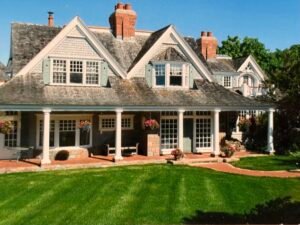
Featuring an enchanting gatehouse and a distinguished main residence, this remarkable property represents a thoughtful collaboration between architect Clifford M. “Jack” Renshaw and designer-builder Hayward Gatch III during the 1990s. Created for Charles R., the estate reflects the enduring appeal of traditional coastal architecture and the craftsmanship that has made Watch Hill one of New England’s most desirable summer destinations.
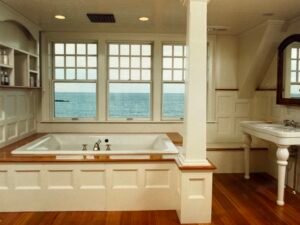
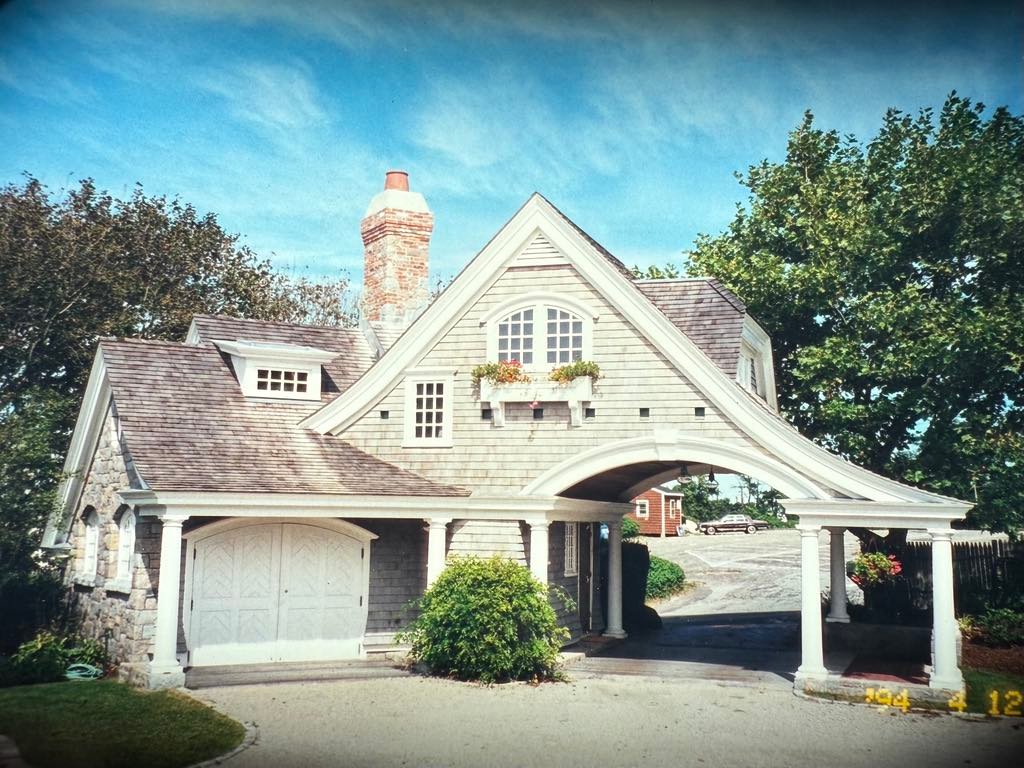
The property is perhaps best remembered for its extraordinary gatehouse, a structure that has attracted admiration for its distinctive architecture and picturesque presence. More than simply an entrance to a private estate, the gatehouse makes an architectural statement of its own.
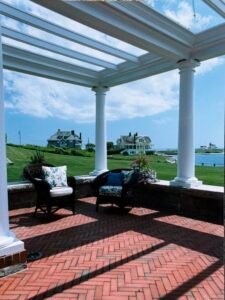
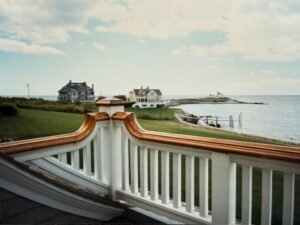
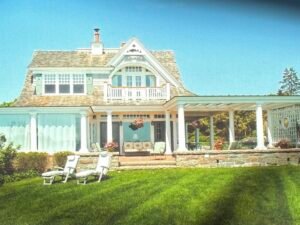
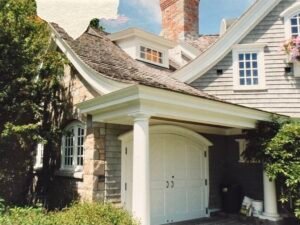
Its blue shingled exterior, substantial brick and stone chimney, and beautifully proportioned arched porte-cochère give it a character that feels both welcoming and impressive. The design captures the romance of an established seaside retreat while maintaining a sense of individuality that makes it instantly recognizable.
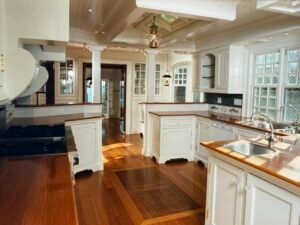
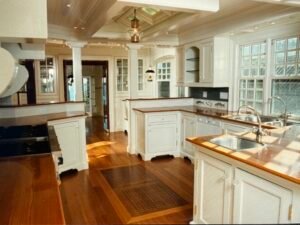
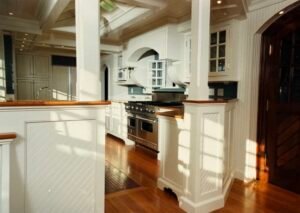
One of the most captivating elements is the arched porte-cochère, which creates a graceful passage through the structure while framing views of the surrounding water. It is an architectural gesture that feels particularly appropriate for Watch Hill, where the relationship between a home and its coastal setting is central to the experience of living there. Rather than treating the entrance as a purely functional feature, the designers transformed it into a memorable visual moment. Approaching the property becomes an experience in itself, with architecture and landscape working together to create a sense of arrival.
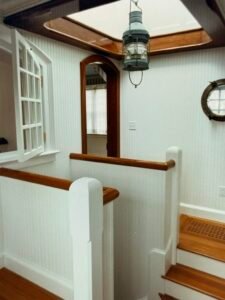
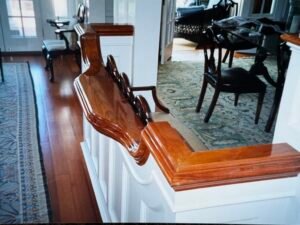
The gatehouse’s other details contribute equally to its appeal. Its unusual silhouette, carefully considered box bay, and arched windows introduce a softness and visual rhythm that distinguish it from more conventional entrance structures.
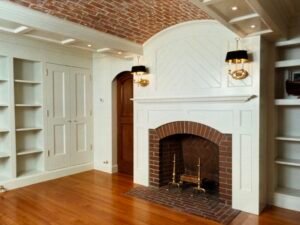
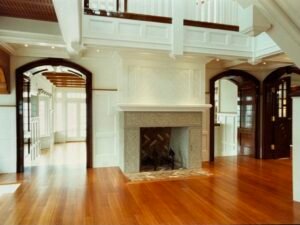
The combination of traditional materials and imaginative architectural forms gives the building a timeless quality. The blue shingles establish an unmistakable coastal identity, while the brick and stone chimney provides a sense of permanence and solidity. Together, these elements create a structure that feels as though it belongs naturally within the historic character of the village.
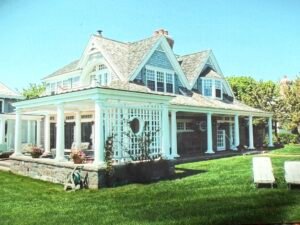
The main residence continues the architectural conversation established by the gatehouse. Sharing a similar vocabulary of materials, proportions, and traditional detailing, the house complements its smaller companion without competing for attention.
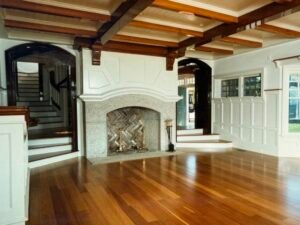
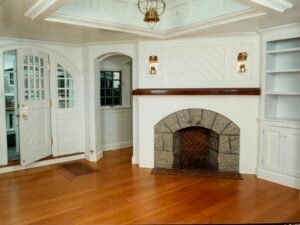 Its design reflects the coastal vernacular associated with Watch Hill, where the Shingle Style has long been an important influence. This architectural tradition is particularly suited to seaside environments because of its natural materials, informal compositions, and ability to create houses that feel both substantial and relaxed.
Shingle Style architecture has a special place in the history of American coastal living. Popularized during the late nineteenth century, it became closely associated with grand summer houses along the New England shoreline. Its defining characteristics include expansive shingled surfaces, complex rooflines, asymmetrical compositions, generous porches, and an appreciation for natural textures.
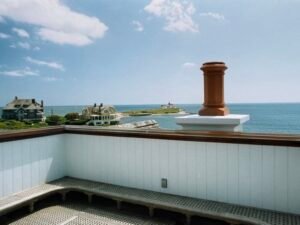
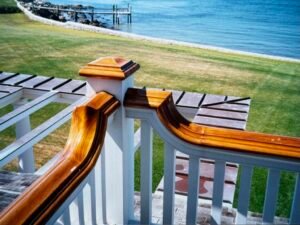 Rather than relying on excessive ornament, the style creates visual interest through massing, craftsmanship, and the relationship between different architectural elements. In Watch Hill, these qualities continue to shape the identity of the village.
The Renshaw and Gatch collaboration appears particularly successful in understanding this architectural context. Their work on the estate reflects an appreciation for the traditional language of the region while introducing distinctive details that give the property its own personality. The gatehouse is a particularly effective example of this approach.
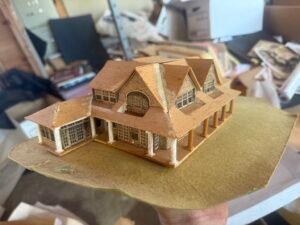
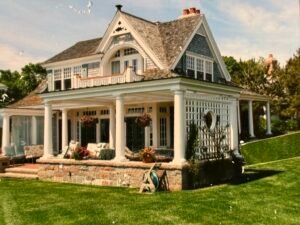 Although relatively modest in scale compared with the main residence, it possesses the presence and architectural confidence of a much larger building. Its arched openings, substantial chimney, and carefully balanced proportions demonstrate how even a secondary structure can become an important part of an estate’s overall composition.
Architect Clifford M. Renshaw, known professionally as Jack Renshaw, established a practice with a strong interest in historical architecture and designs that respond sensitively to their surroundings. His architectural philosophy emphasizes the importance of context, thoughtful planning, and creating buildings that respect the character of their environment.
 Founded in 1982, Clifford M. Renshaw Architects developed a reputation for combining traditional architectural understanding with carefully considered contemporary design. This sensitivity to architectural context is especially relevant in a community such as Watch Hill, where new construction and additions must coexist with a distinctive historic streetscape.
Hayward Gatch III brought another important dimension to the partnership through his experience as a designer and builder. His work in the Rhode Island region reflects an appreciation for traditional craftsmanship, architectural authenticity, and the character of historic New England homes.
 The combination of Renshaw’s architectural perspective and Gatch’s design and building expertise offered an opportunity to create a residence in which the larger vision and the smallest details could work together harmoniously.
The 1990s were an interesting period for Watch Hill, as the village continued to attract families seeking a refined coastal escape while preserving its historic atmosphere.

 Unlike some resort destinations that experienced dramatic changes in architectural character, Watch Hill retained much of its distinctive charm. Its tree-lined streets, historic cottages, elegant summer residences, and spectacular waterfront settings created an environment where tradition remained an essential part of its appeal.
For generations, Watch Hill has been synonymous with summer living at its most beautiful. Located at the southwestern tip of Rhode Island, the village offers an exceptional combination of ocean scenery, beaches, sailing, and an intimate coastal atmosphere. Its architectural heritage is an important part of that identity.

 The homes are not simply places to spend the summer; they reflect a longstanding tradition of craftsmanship, family history, and a particular appreciation for the New England landscape.
This estate embodies many of the qualities that make Watch Hill so desirable. Its gatehouse creates an unforgettable first impression, while the main residence provides a complementary architectural presence. Together, the buildings suggest a carefully considered approach to estate design, in which every structure contributes to the experience of the property.
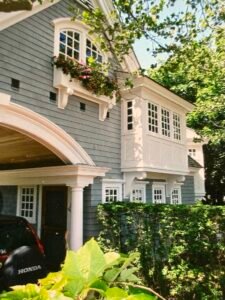
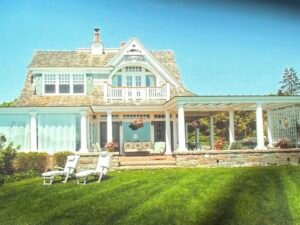 The visual connection between the two buildings is especially important, establishing a sense of unity without sacrificing the individual character of either one.
What makes the gatehouse so memorable is perhaps its ability to feel simultaneously grand and charming. It is distinctive without being overly elaborate, traditional without feeling predictable, and picturesque without appearing artificial. The blue shingles, masonry chimney, and graceful arches create an architectural composition that feels entirely at home beside the water. It is easy to understand why the structure has become such a widely admired and photographed feature of the Watch Hill landscape.
Ultimately, the Renshaw and Gatch creation is a reminder that exceptional residential architecture is about more than impressive square footage or prestigious surroundings. It is about understanding a place, respecting its history, selecting materials that belong to its environment, and creating buildings with lasting character. The estate’s enduring appeal lies in the relationship between its architecture and its setting, as well as in the thoughtful collaboration that brought the vision to life.
Decades after its creation, this Watch Hill property remains an inspiring example of traditional coastal design. Its gatehouse continues to capture attention, while the main residence reinforces the timeless architectural language of the estate. Together, they celebrate the craftsmanship, imagination, and regional character that define some of Rhode Island’s most treasured homes.
For anyone who appreciates New England architecture, historic coastal estates, and the art of creating a truly special home, this Renshaw and Gatch collaboration is a wonderful reminder of why Watch Hill remains such an enduring architectural treasure.A Dream Home in Rhode Island: The Story of a Renshaw & Gatch Creation in Watch Hill